Smithsonian Artist Research Fellowship
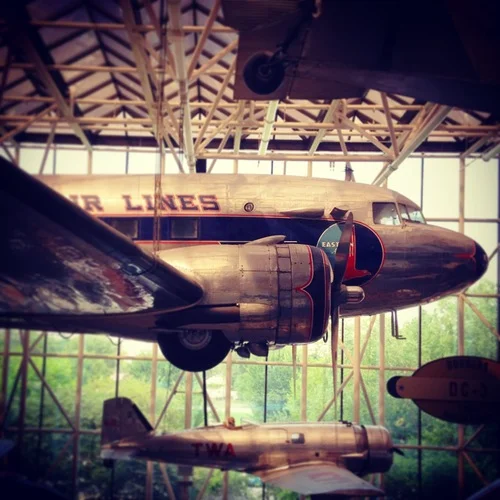
Smooth, sleek and fast: aeronautics and streamlining as furniture inspiration
In this new and exciting project I will spend the next two months researching the design history of American aeronautics, focusing on the technical and cultural notions that have influenced the changing appearance of airplanes and the concept of speed over time, at the National Air and Space Museum and the Steven F. Udvar-Hazy Center.
As part of the Smithsonian Artist Research Fellowship program this project will be used as direct inspiration for my next body of work.
I plan to use this fellowship to investigate the development of plane forms, building techniques, and materials and their dialogue with broader American culture. I’m interested in exploring how American industrial designers were influenced by airplanes as a symbol of innovation and progress, and how that shifted the aesthetics of items in daily use—from toasters and pencil sharpeners to cars and trains—as well as what, if any, influence the changing styles of different eras had on airplane design and engineering. I’d also like to examine what changes if any aerodynamic simulation software had on airplane design versus the earlier trial and error methods as a corollary to my own practice, which combines new technologies and hands-on material exploration.
Nominations for the fellowship came from international art curators, scholars and former SARF fellows, and awardees were then selected by a panel of Smithsonian art experts.
The fellowship program began in 2007 and allows artists from around the world to have access to Smithsonian collections, meet with Smithsonian scholars and conduct research that is essential to producing new work. More than 90 artists have received this award.
The diverse mediums, nationalities and research interests of the 2014 SARF fellows reflect the unique nature of this fellowship and the research resources available only at the Smithsonian.
I am honored to be here and share this experience with all of you.

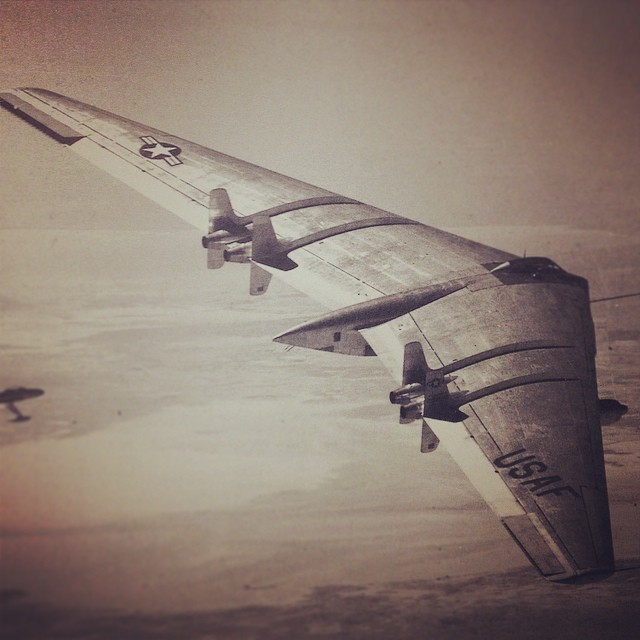

Takeoff!
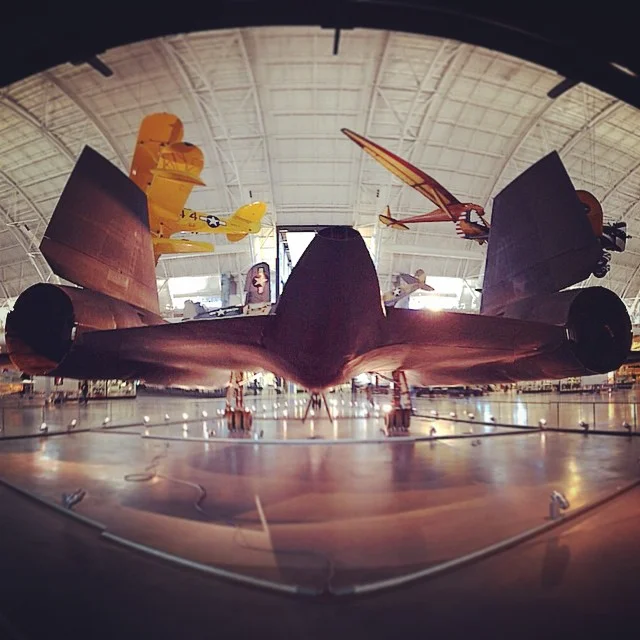
This long range bomber started being designed in WW II by Jack Northrop. A design I never imagined out of that time period. In the end the project was killed and all of these versions scraped, not because they weren’t aerodynamic, but hard to control. It was in many ways so much like today’s B-2 Stealth bomber, pictured here refueling, that it lead me to ask what technology had made the difference for this Airplane to be in service. When I asked John Anderson, the aerodynamics curator here at the NASM he said one word… computers.
Having the ability to asses and control the wing in many micro adjustments was a requirement for this design, and one they did not have when Northrop was working his original designs.
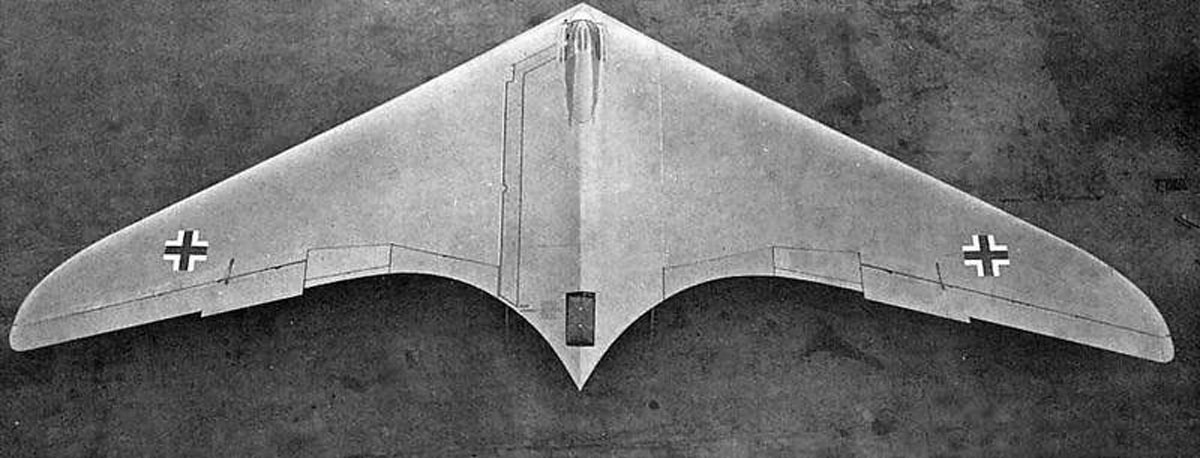
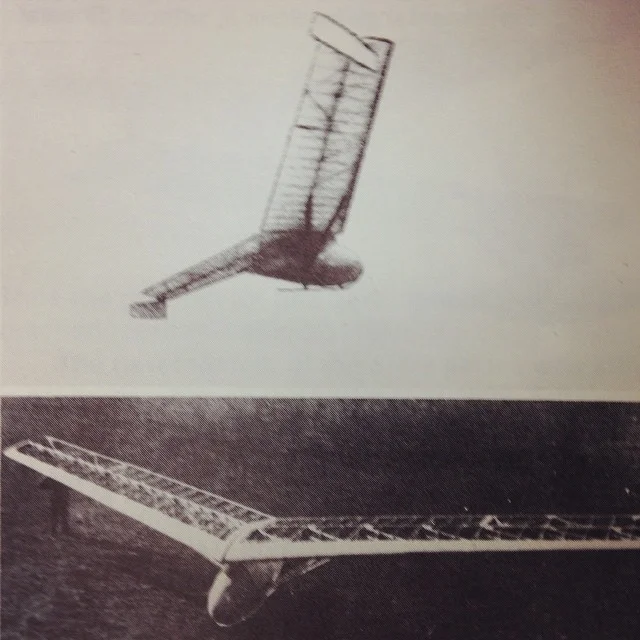
But these are the flying wing that really caught my attention. Designed by the Horten brothers for Germany in WW II they were based on the brother’s experience as glider pilots. I think they are beautiful forms, slick and bat or moth like… Its amazing to think how much more damage they could have done if these were designed earlier in the war.
Takeoff!
This long range bomber started being designed in WW II by Jack Northrop. A design I never imagined out of that time period. In the end the project was killed and all of these versions scraped, not because they weren’t aerodynamic, but hard to control. It was in many ways so much like today’s B-2 Stealth bomber, pictured here refueling, that it lead me to ask what technology had made the difference for this Airplane to be in service. When I asked John Anderson, the aerodynamics curator here at the NASM he said one word… computers.
Having the ability to asses and control the wing in many micro adjustments was a requirement for this design, and one they did not have when Northrop was working his original designs.
But these are the flying wing that really caught my attention. Designed by the Horten brothers for Germany in WW II they were based on the brother’s experience as glider pilots. I think they are beautiful forms, slick and bat or moth like… Its amazing to think how much more damage they could have done if these were designed earlier in the war.
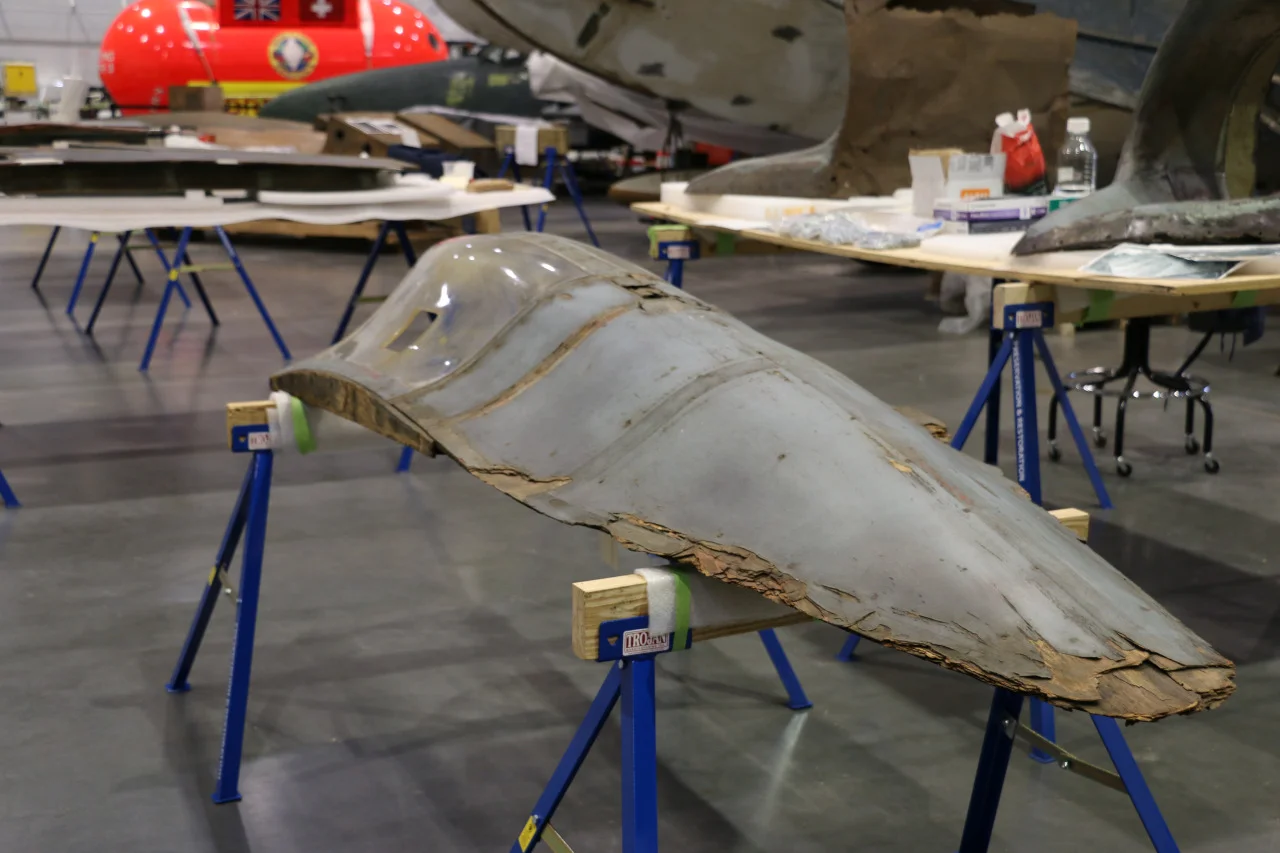
Up close and personal with the conservation of the Horten IX V3 flying wing at NASM’s Udvar Hazy center. These German brother’s extraordinary experimental aircraft have inspiring forms - sleek and anthropomorphic.
NASM’s conservation staff is doing all they can to preserve this one of a kind aircraft. See more about the project at http://www.hortenconservation.com/


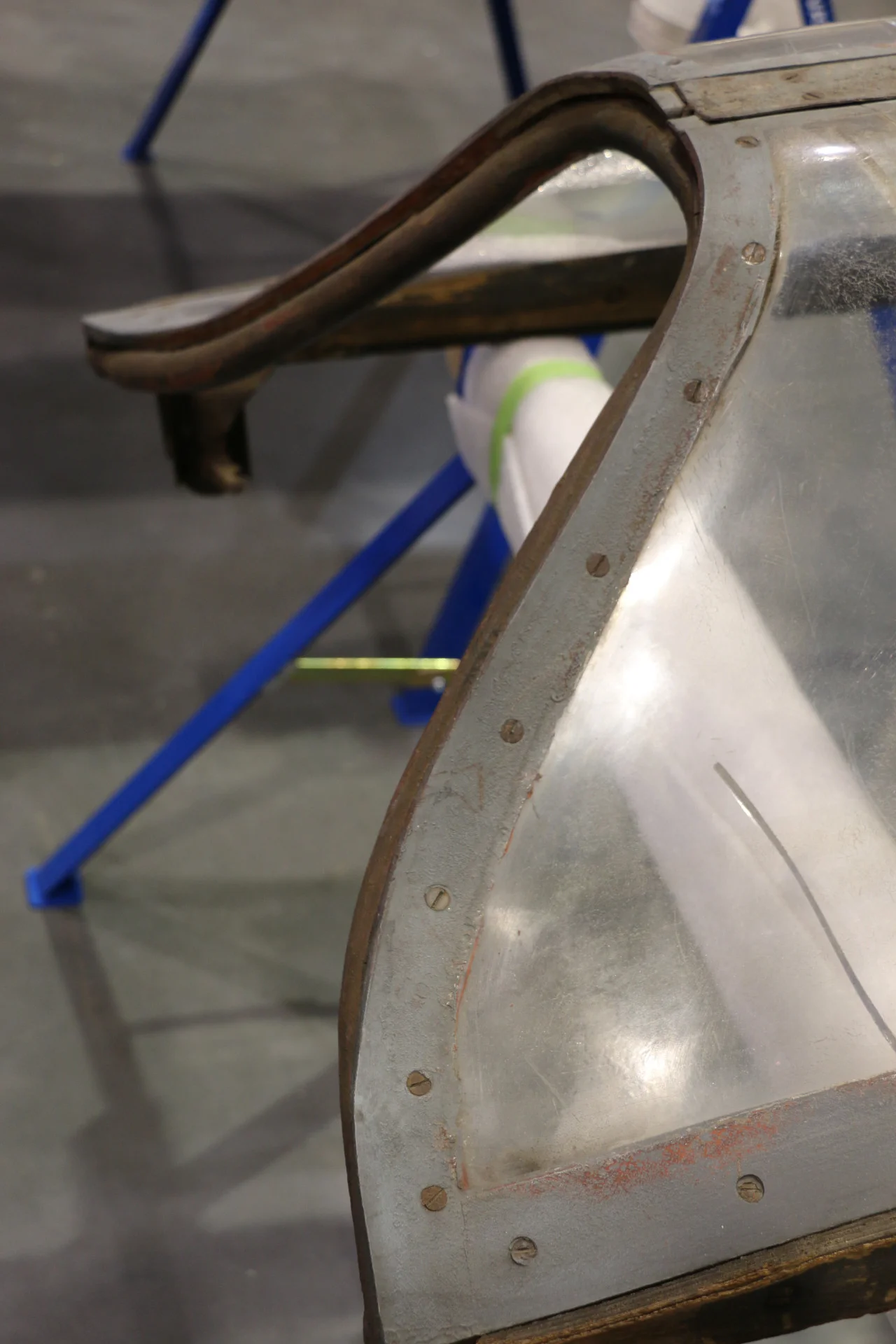
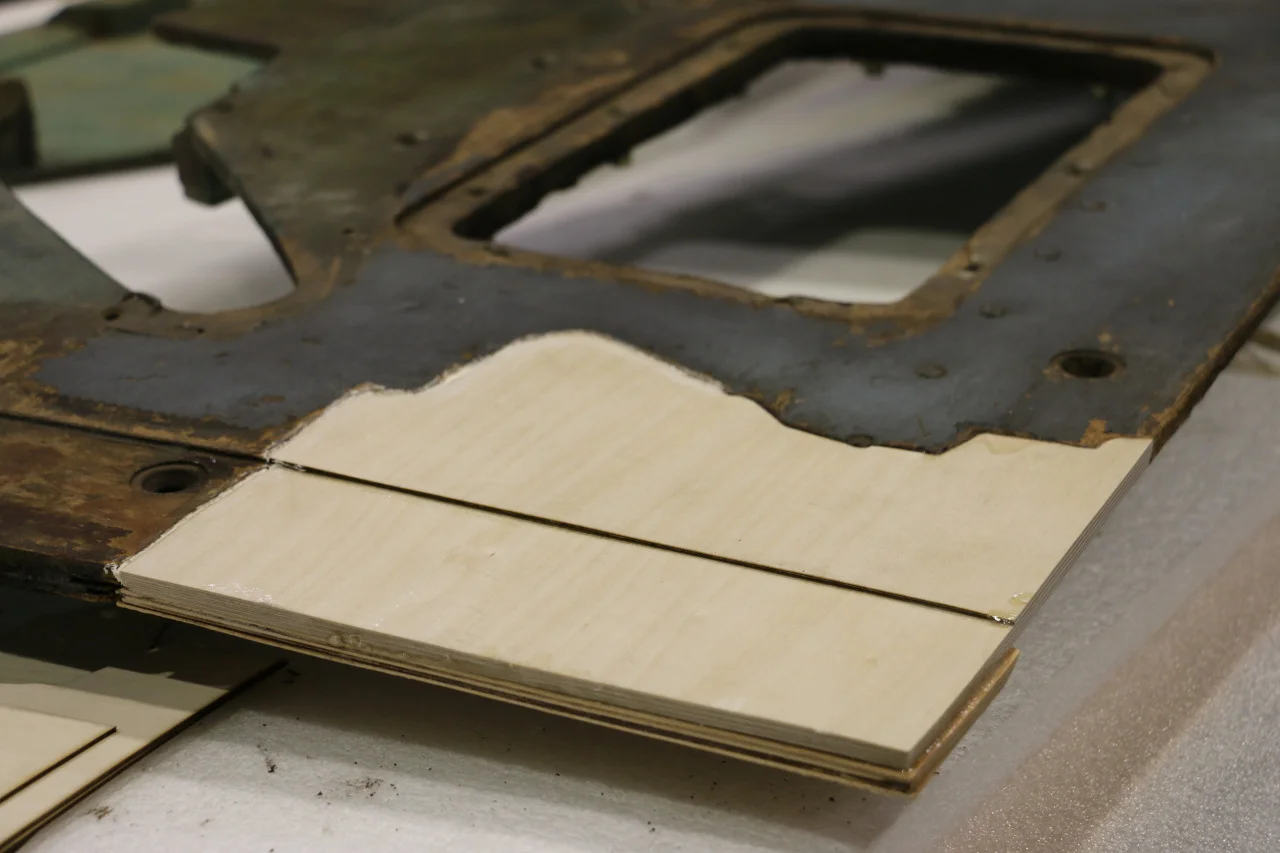

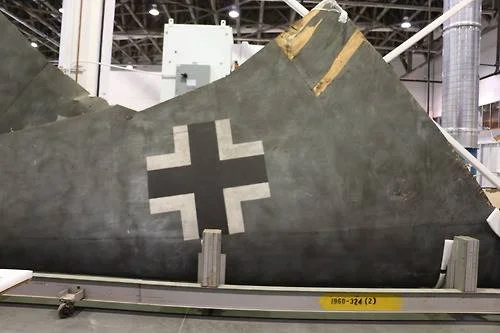
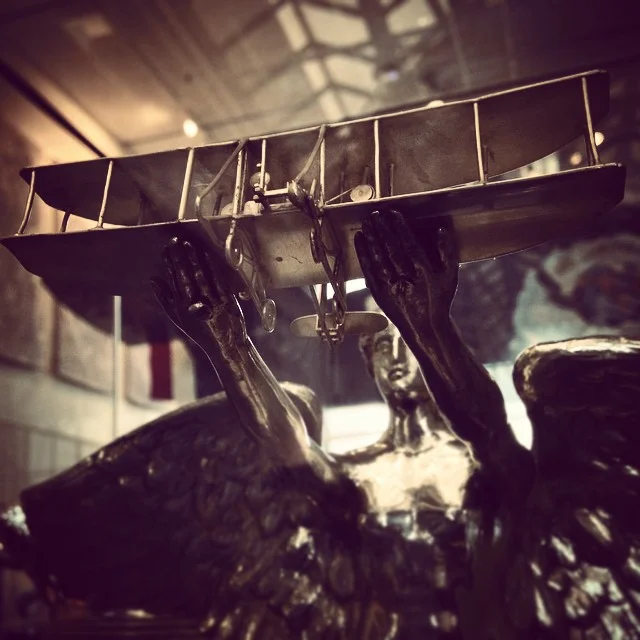
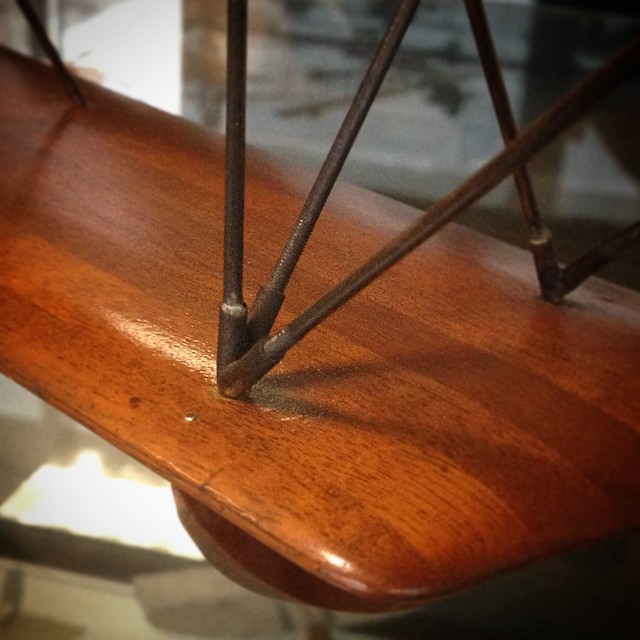
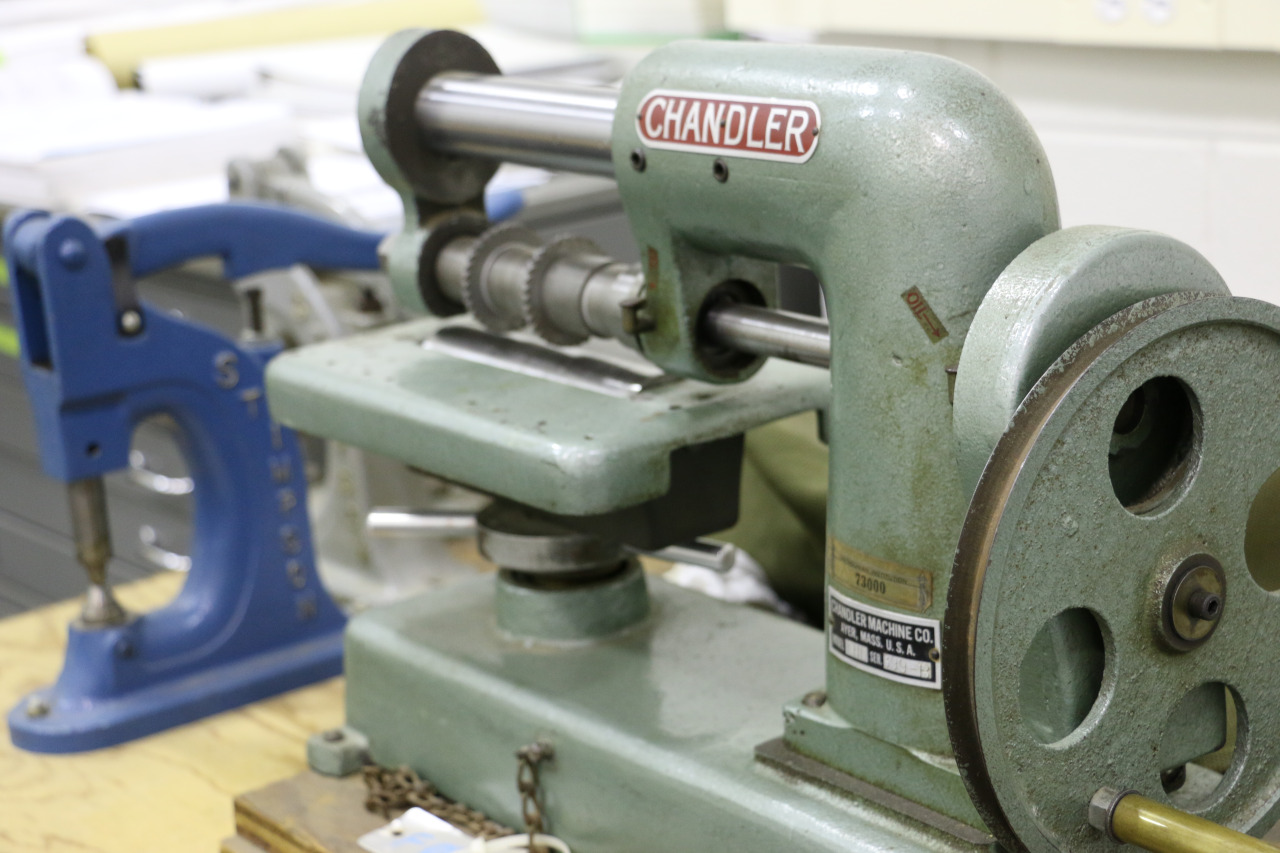
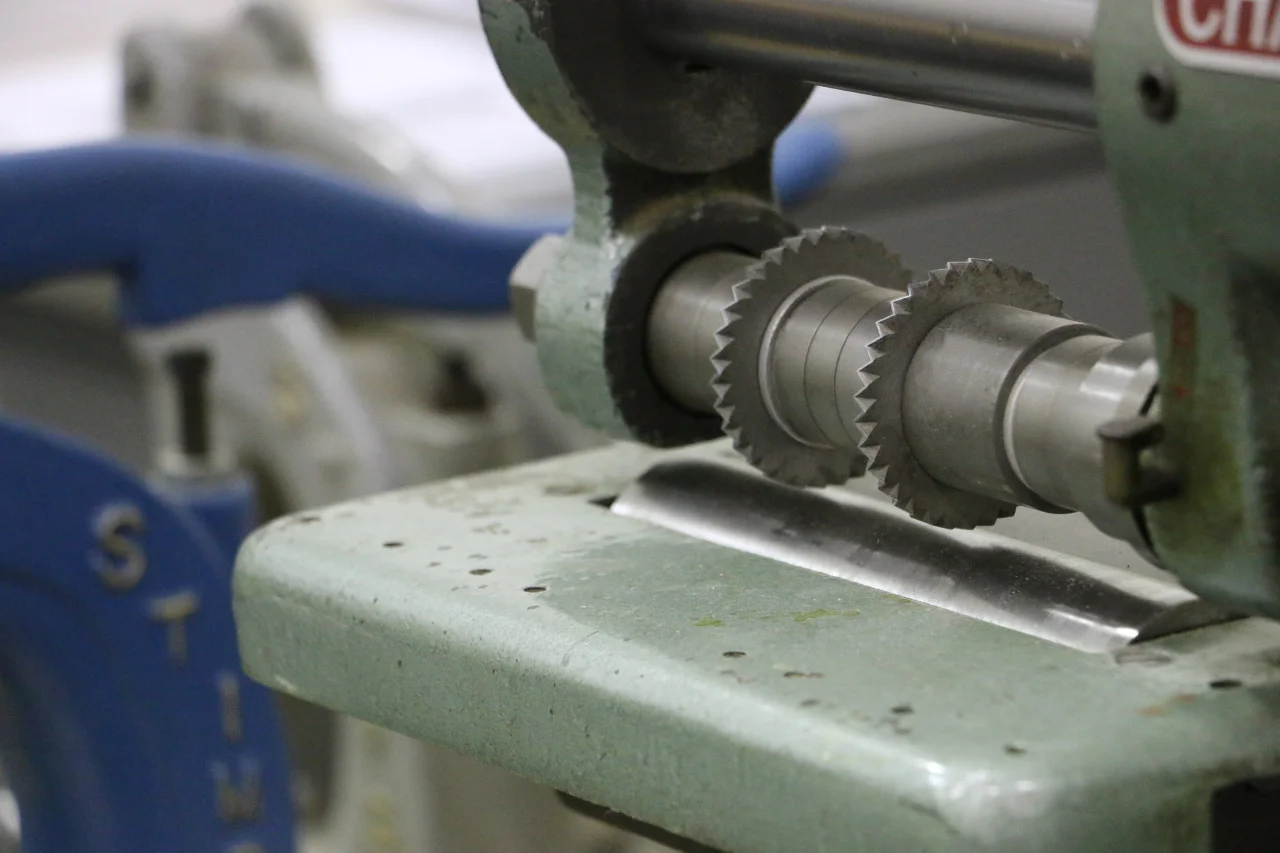
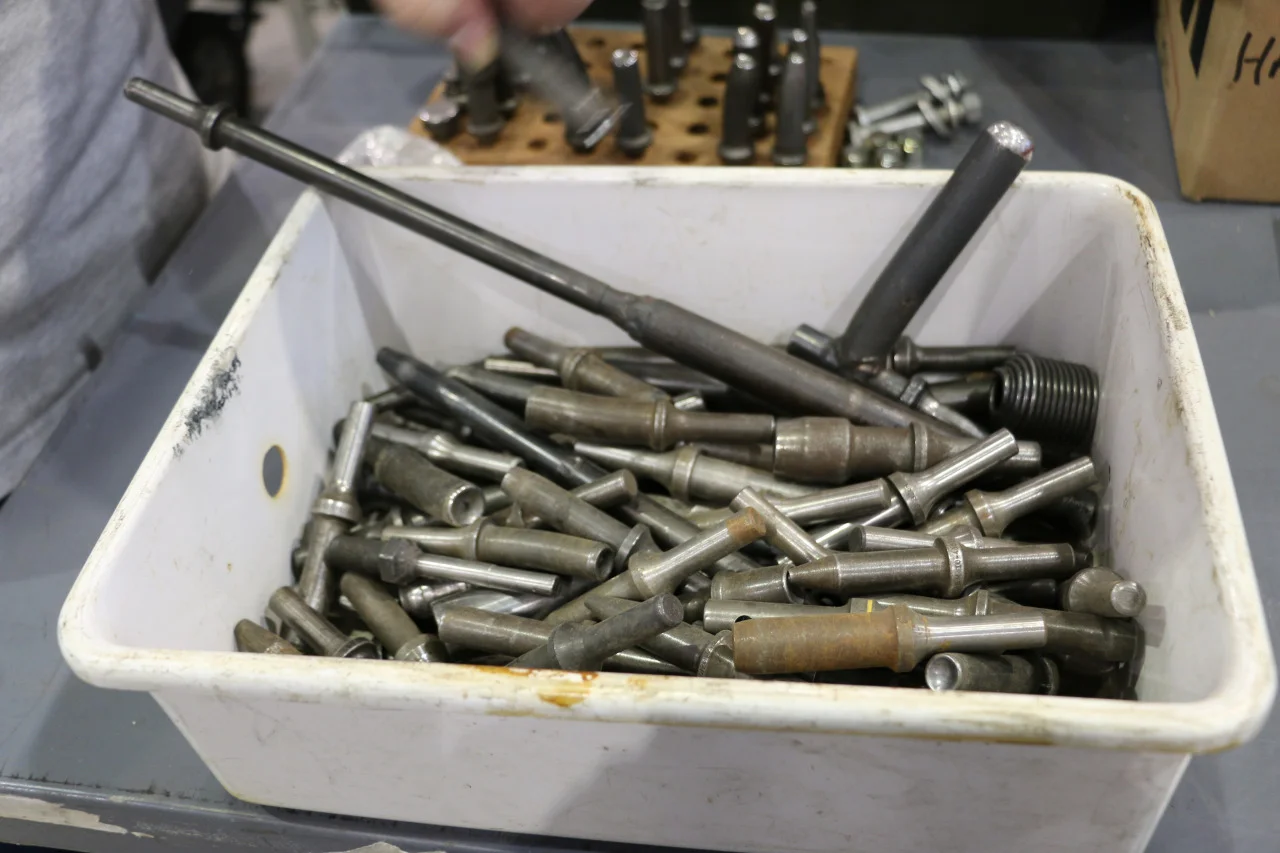
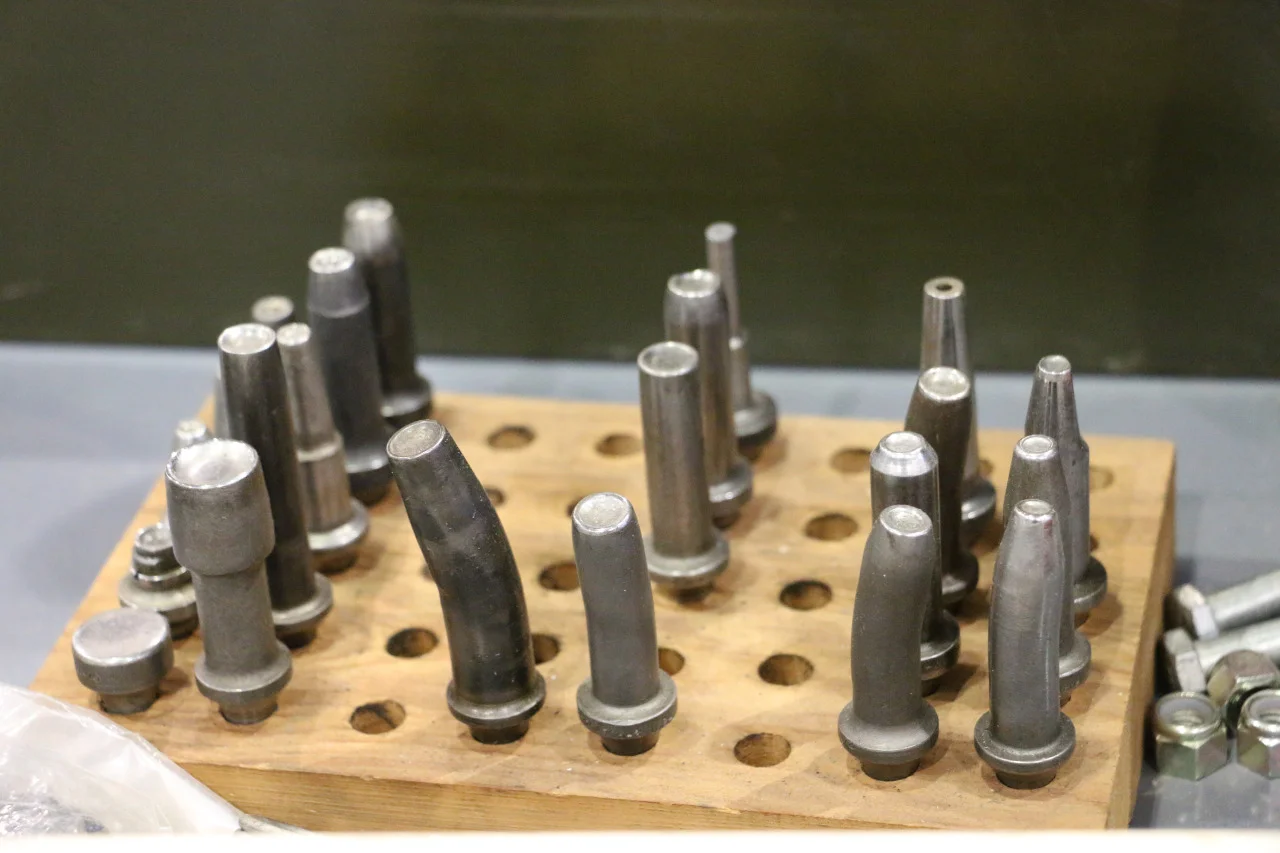
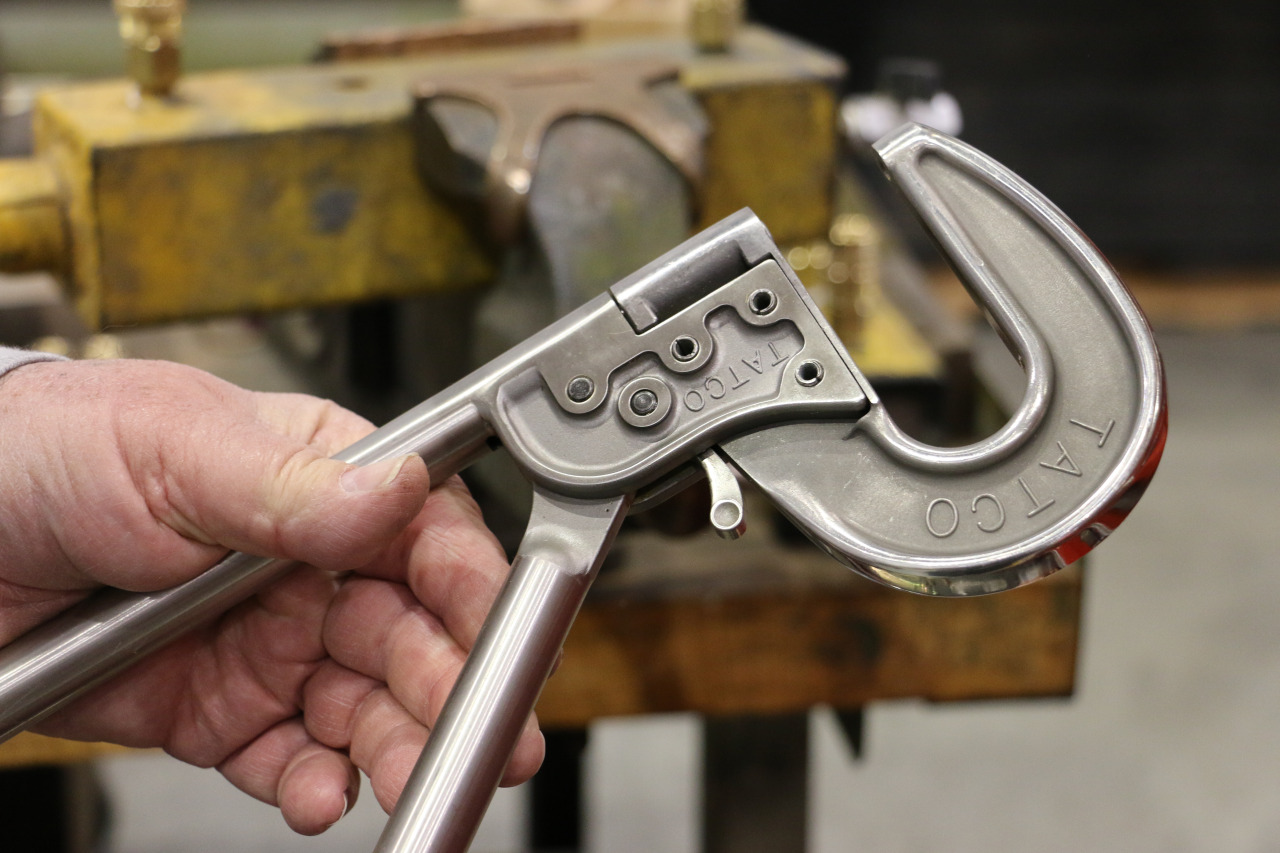
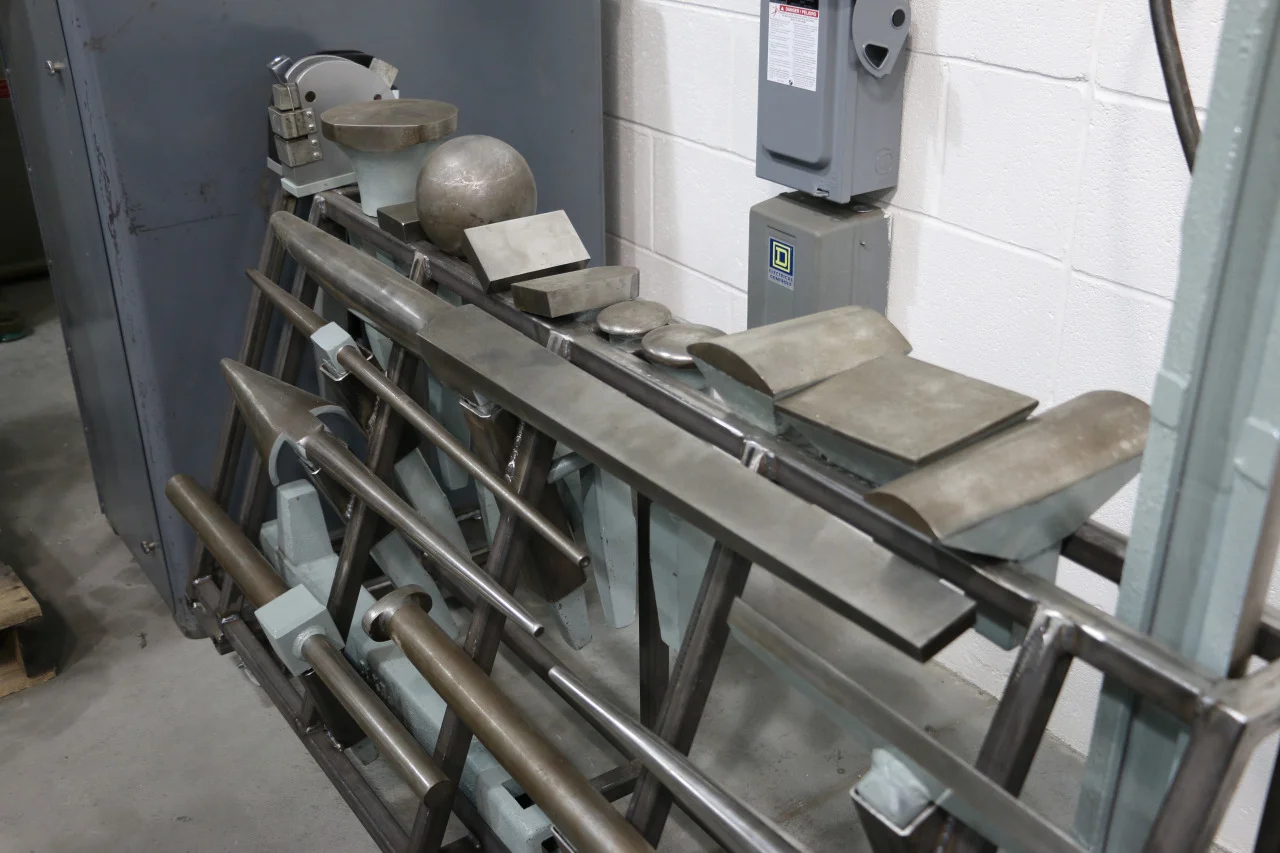
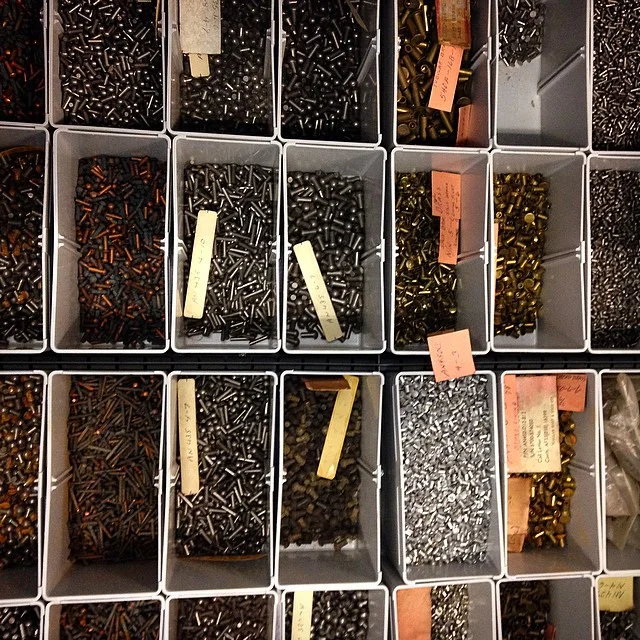
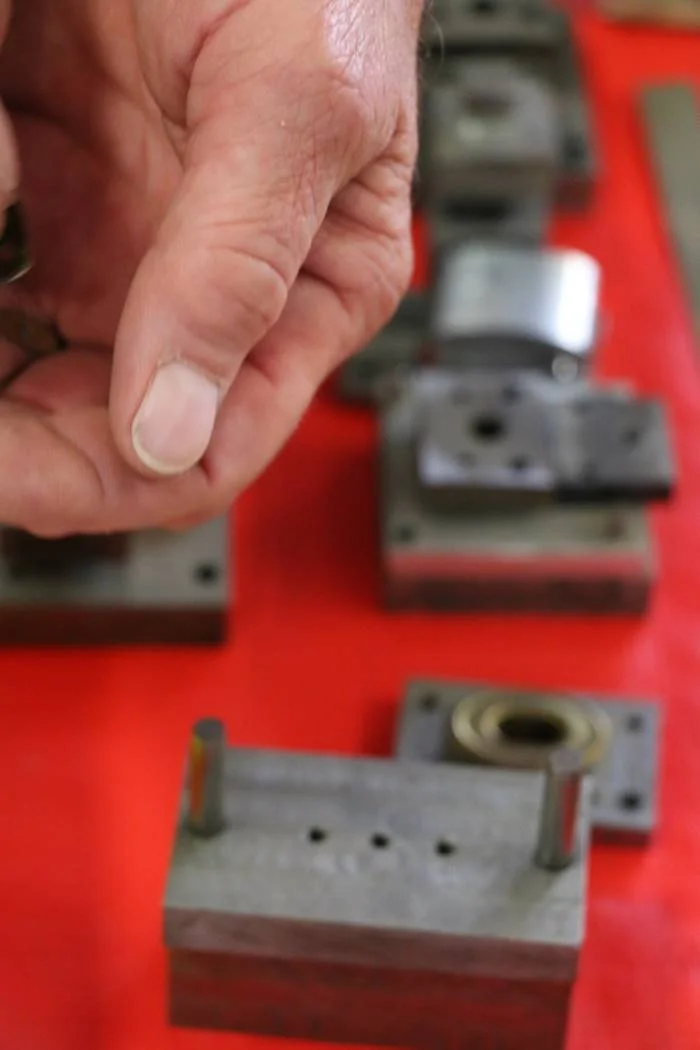
Tools in the Udvar Hazy restoration shop. Some specialty… I need to spend more time with rivets!
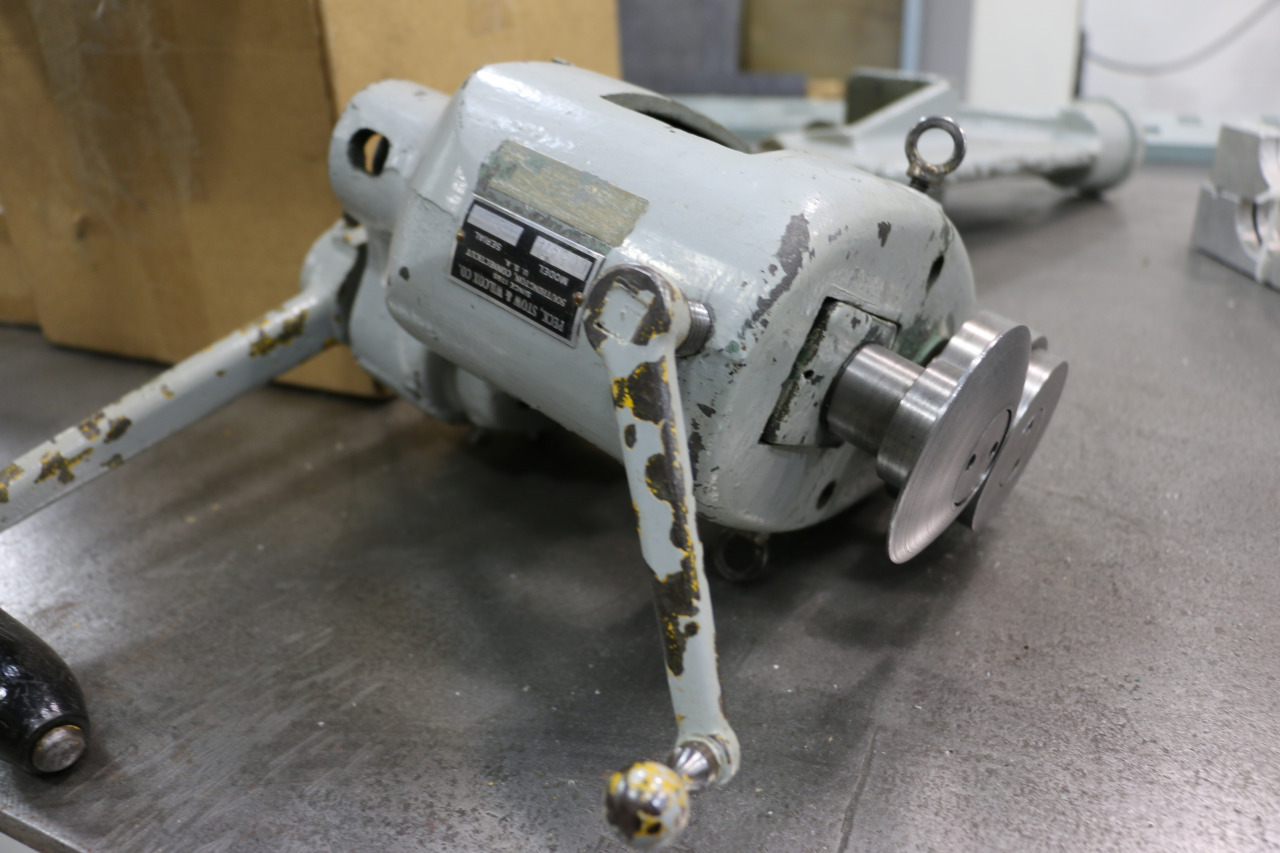
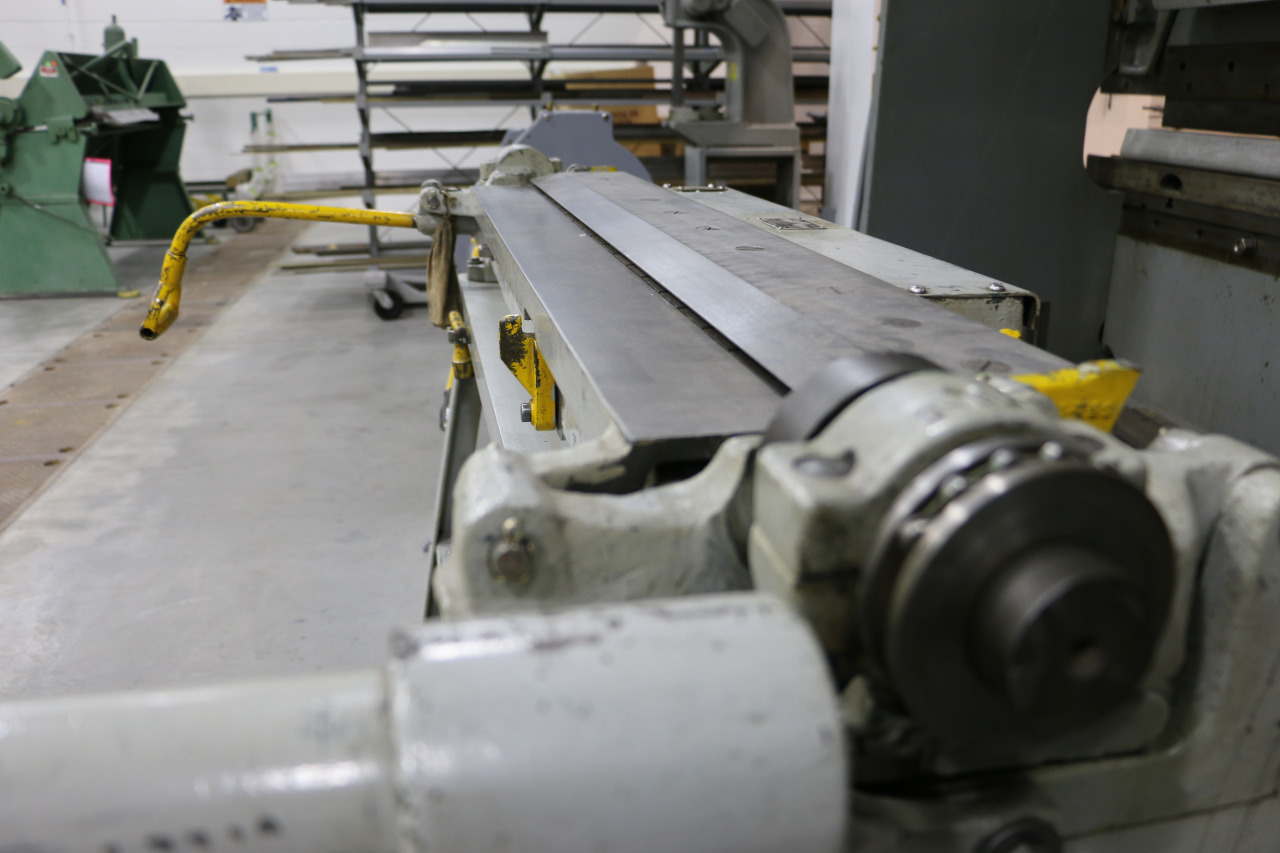

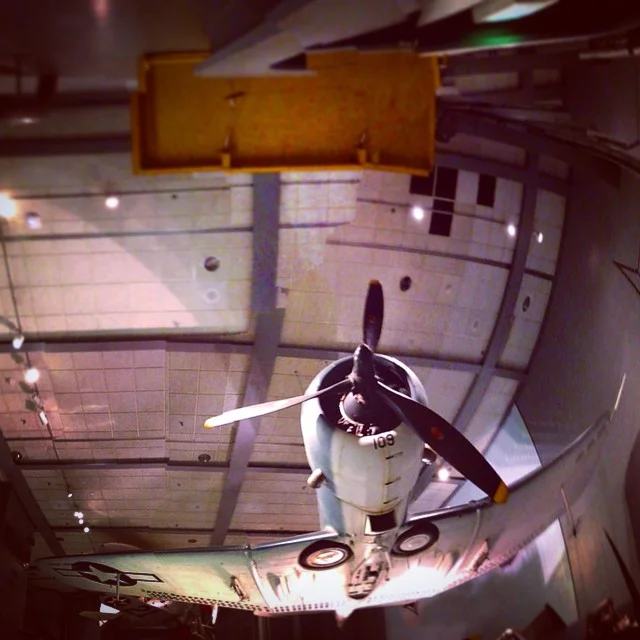
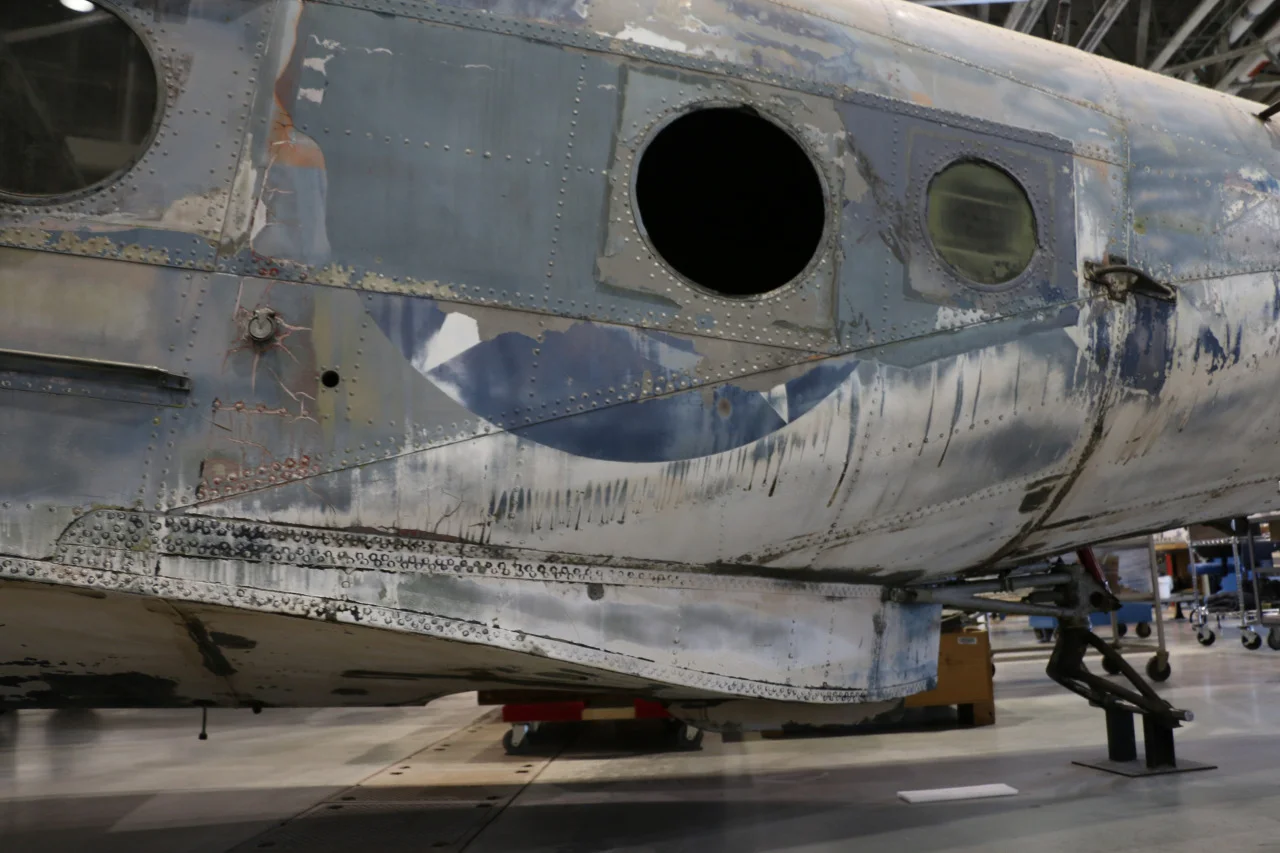
If your like me you can get enough of this Pearl Harbor survivor. The hull is stepped so that it can break suction with the surface of the water during takeoff. I think the hard chinned lines against the subtle “hulls” curve is dynamic. Another idea for form…



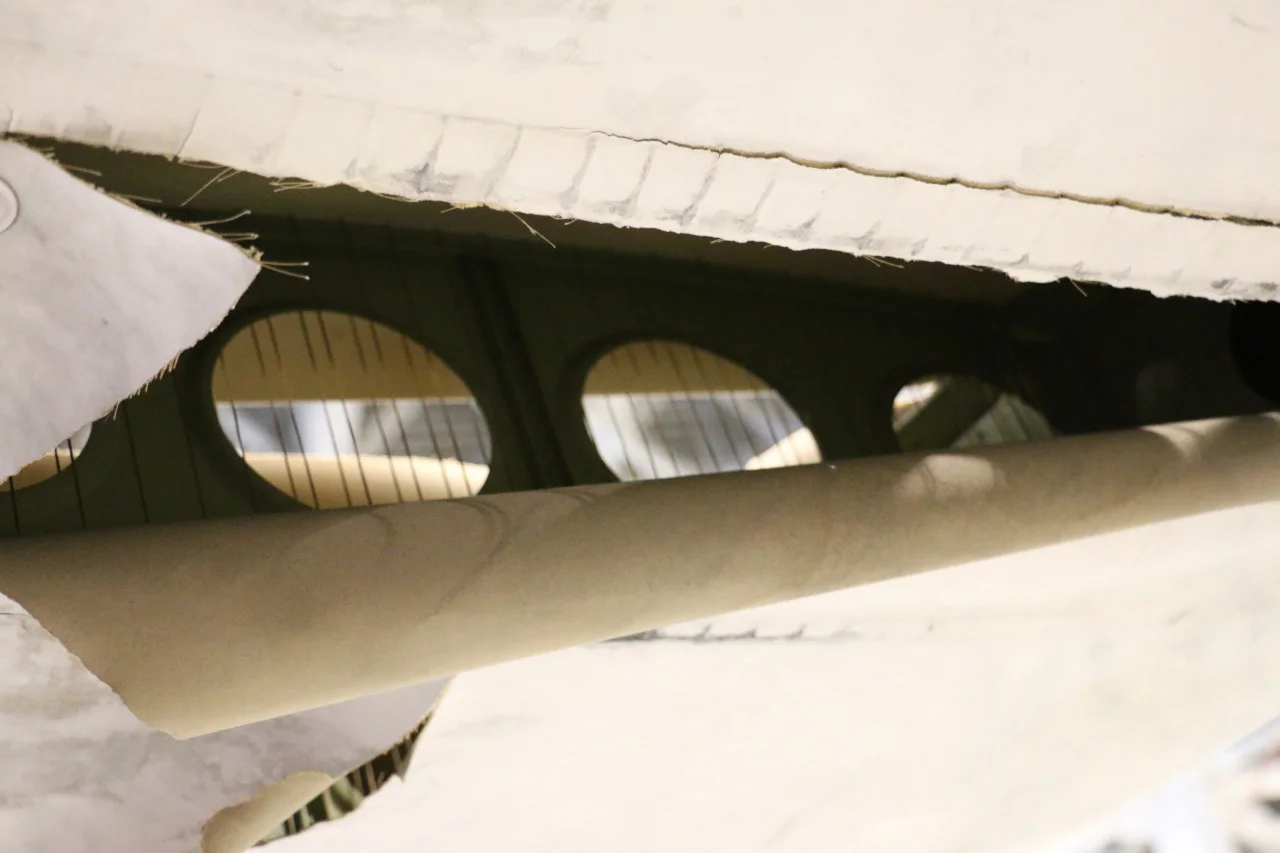

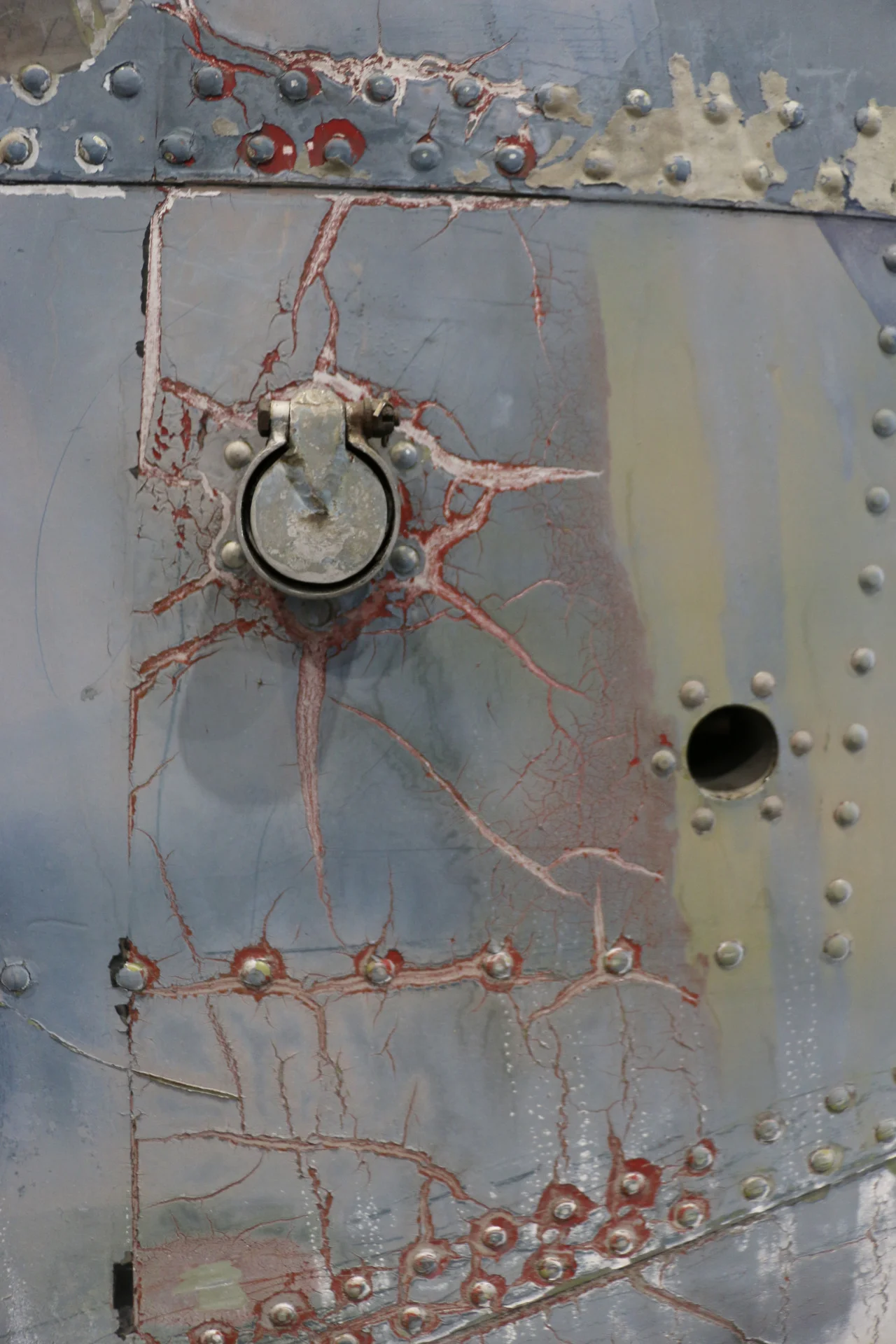

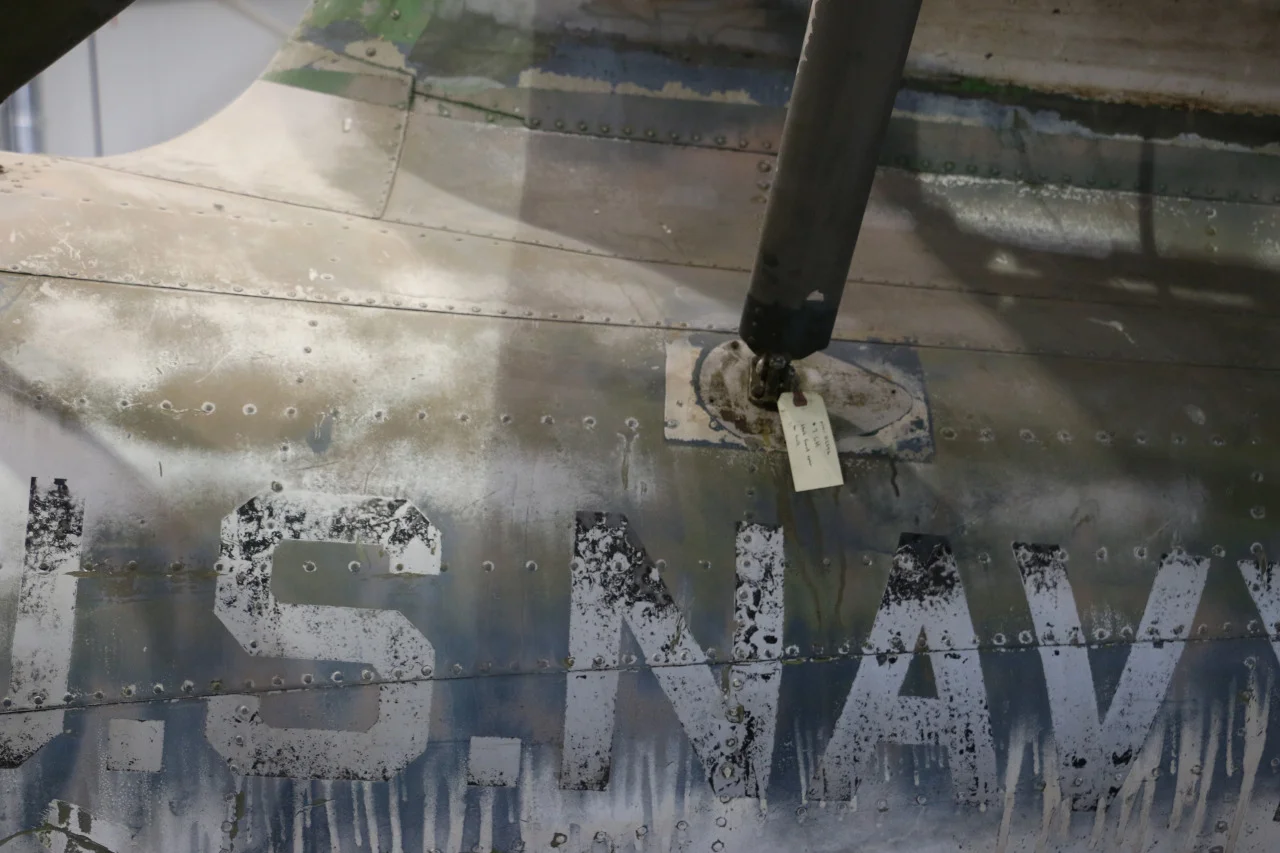

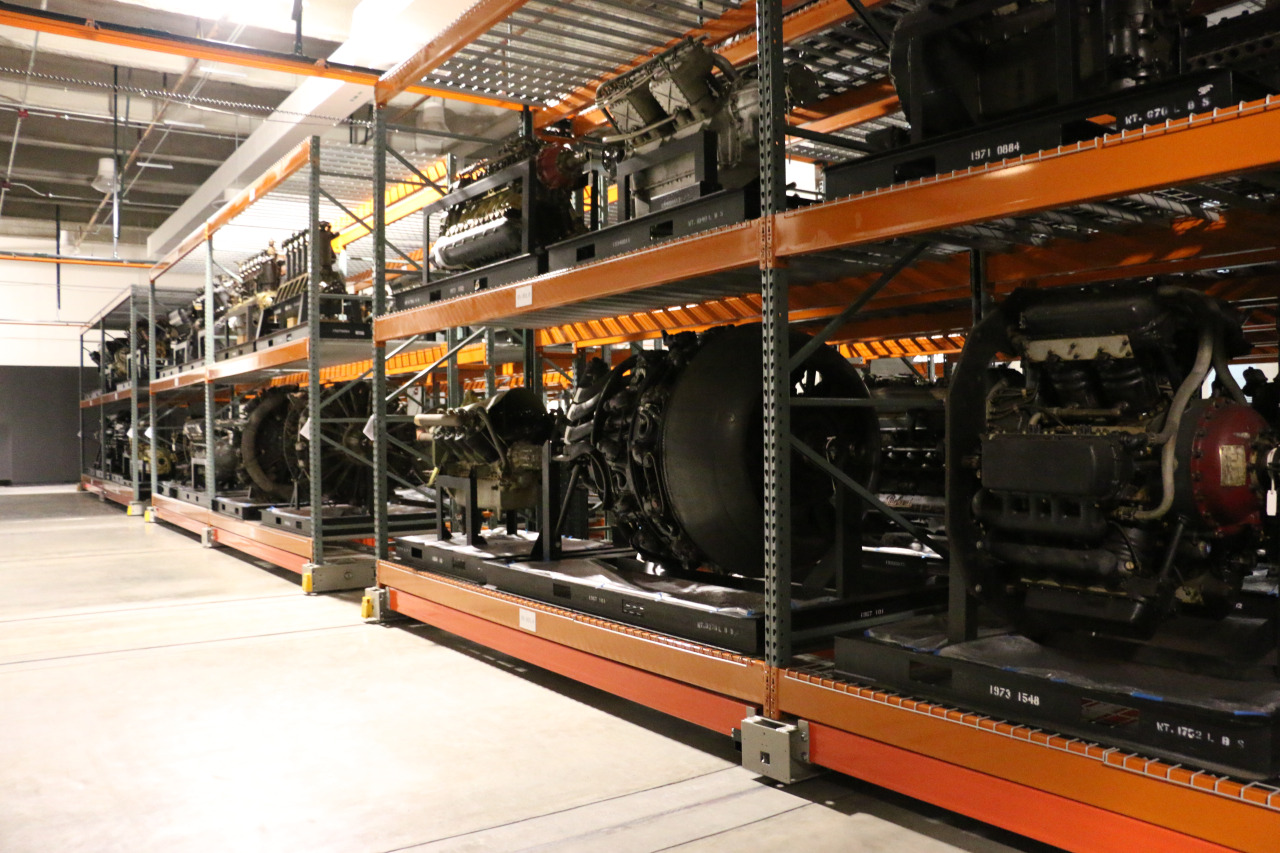
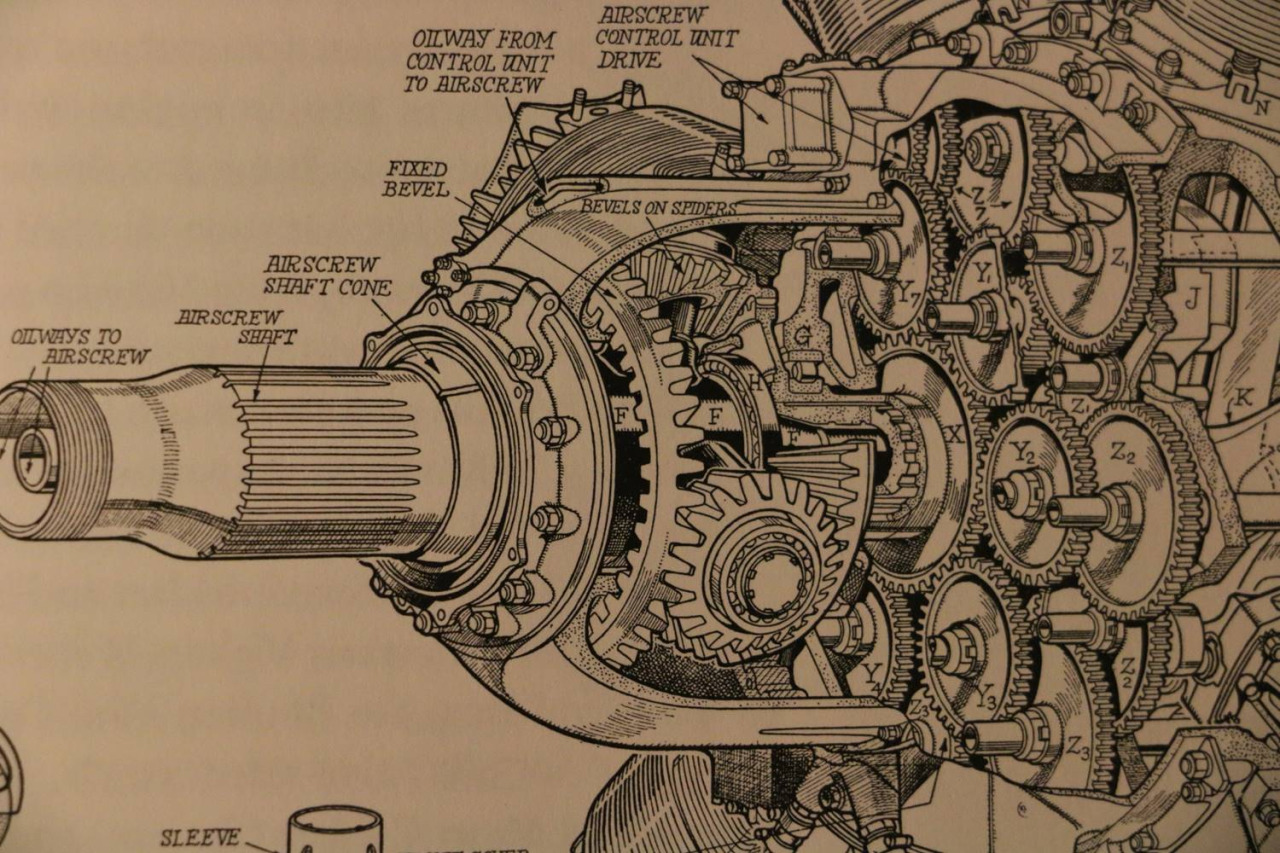
Speaking of engines… Storage for important, many of them experimental, engines for aircraft. My nephew tells me I need to make a chair out of all the engine parts… Thinking on the forms of the cast parts fro just that!
A day in the life

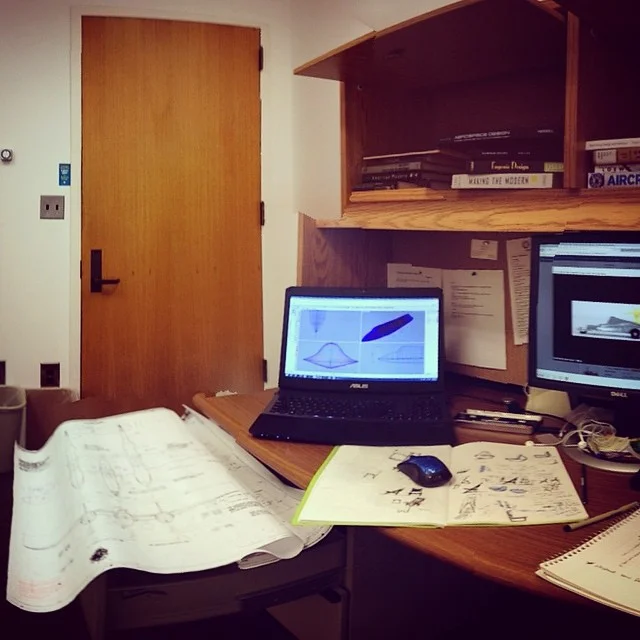
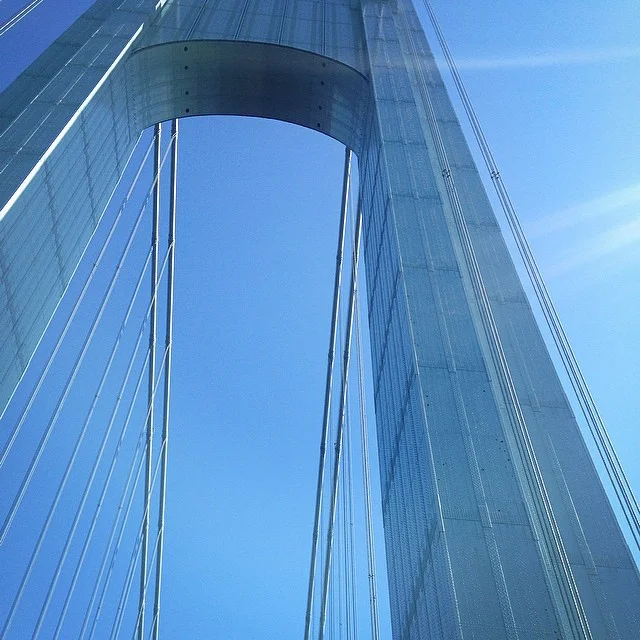
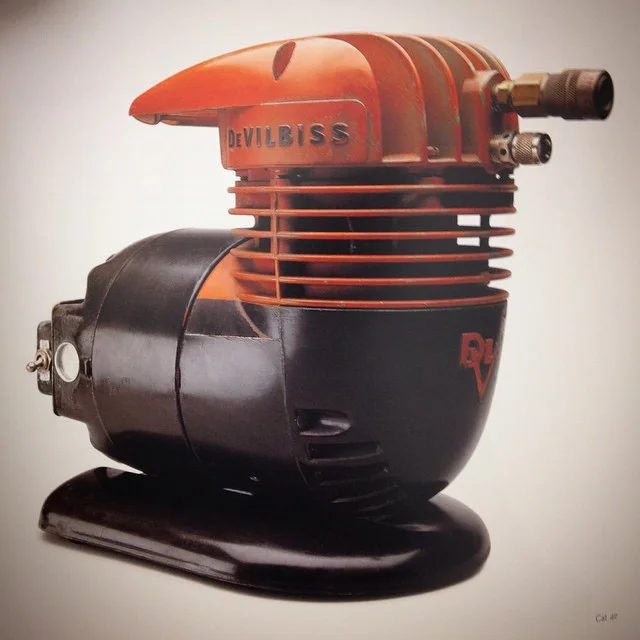
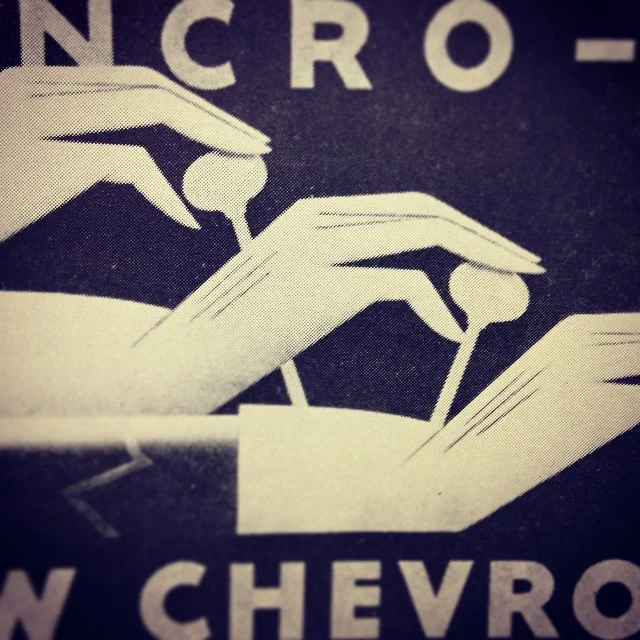
From “lipstick to locomotives” Raymond Loewy worked some streamline design magic.
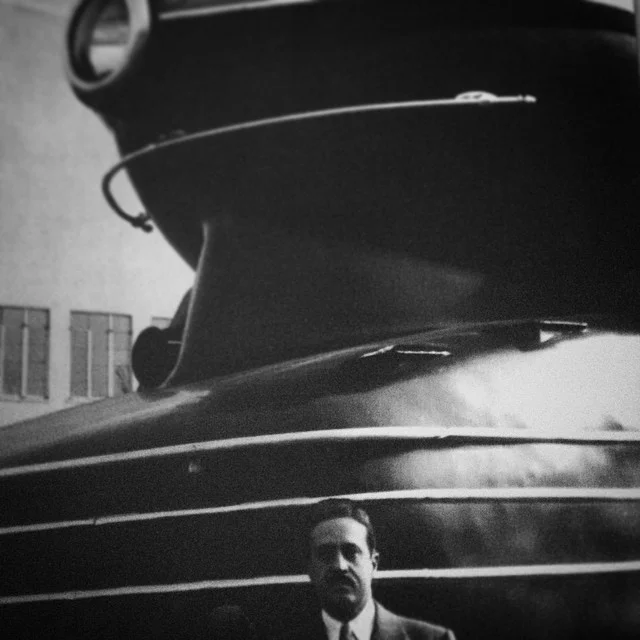
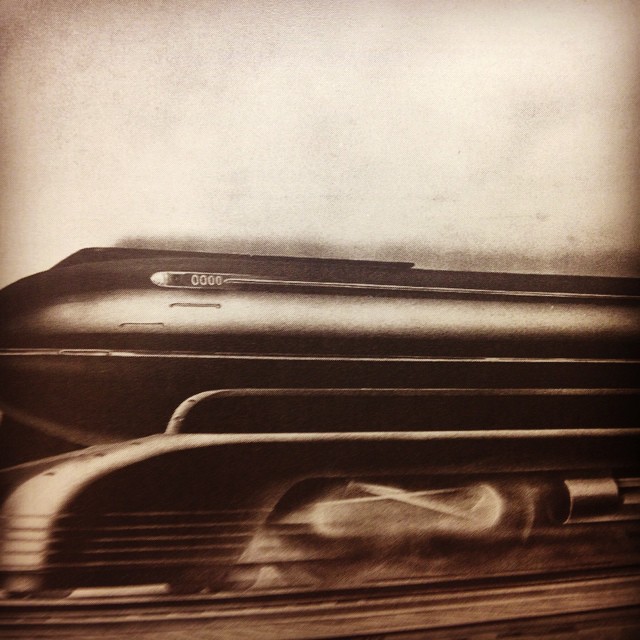
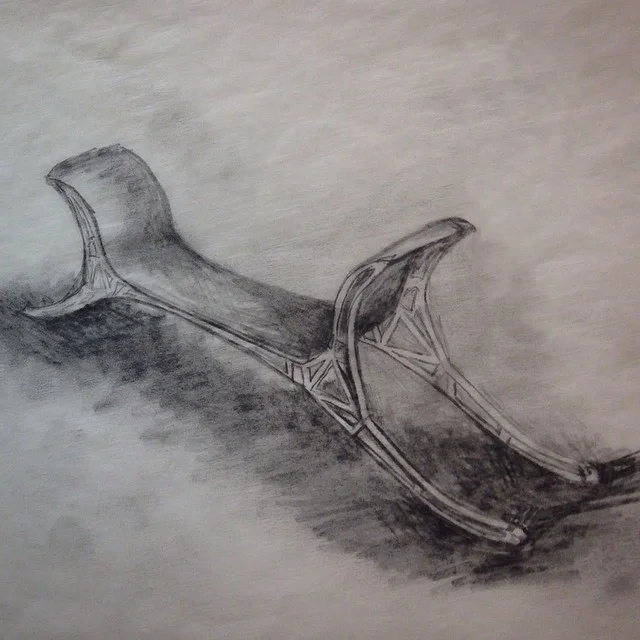
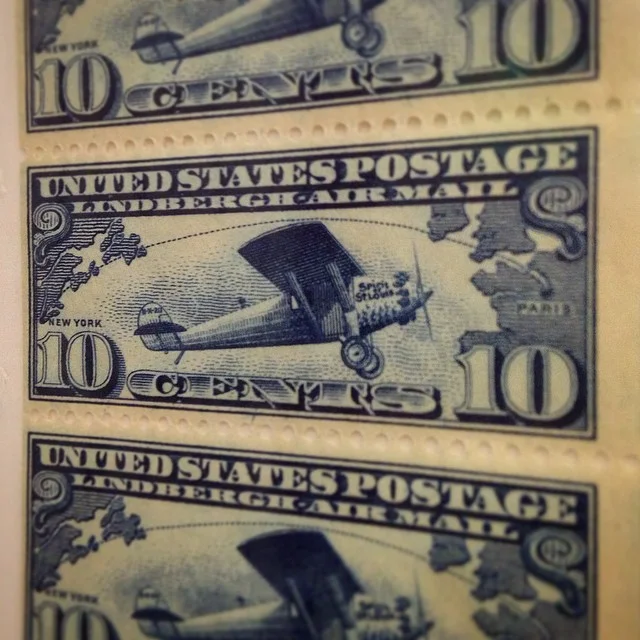
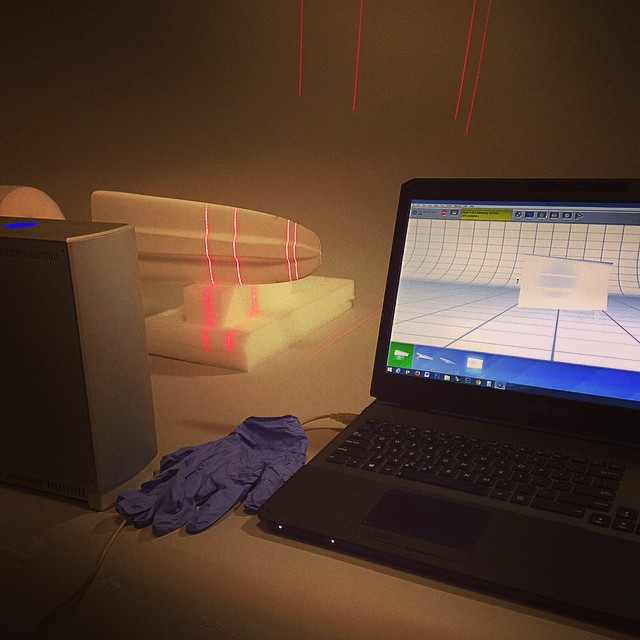
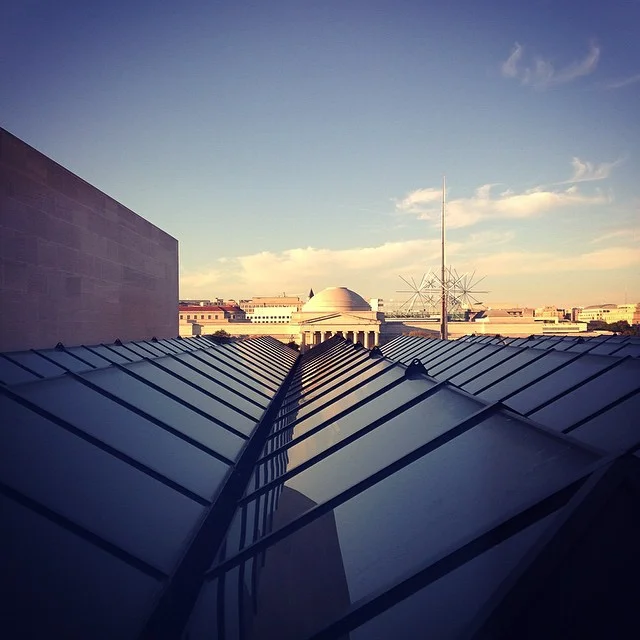
Last week at NASM. Going to miss this view
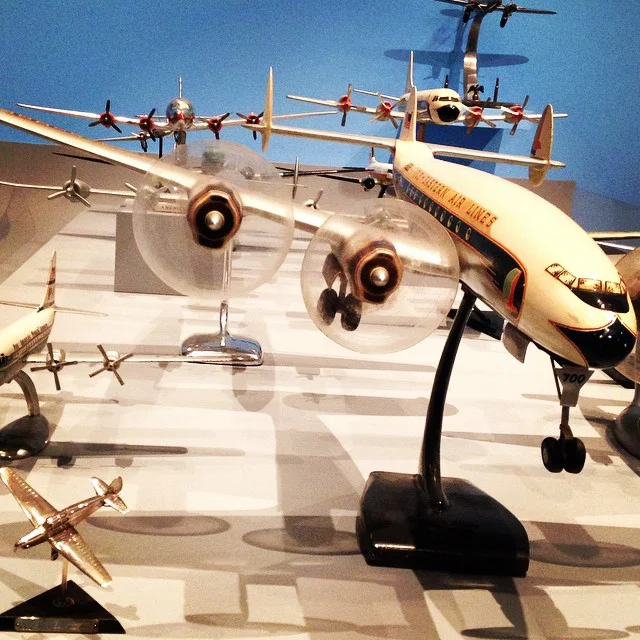
A darker side to to aeronautical development…
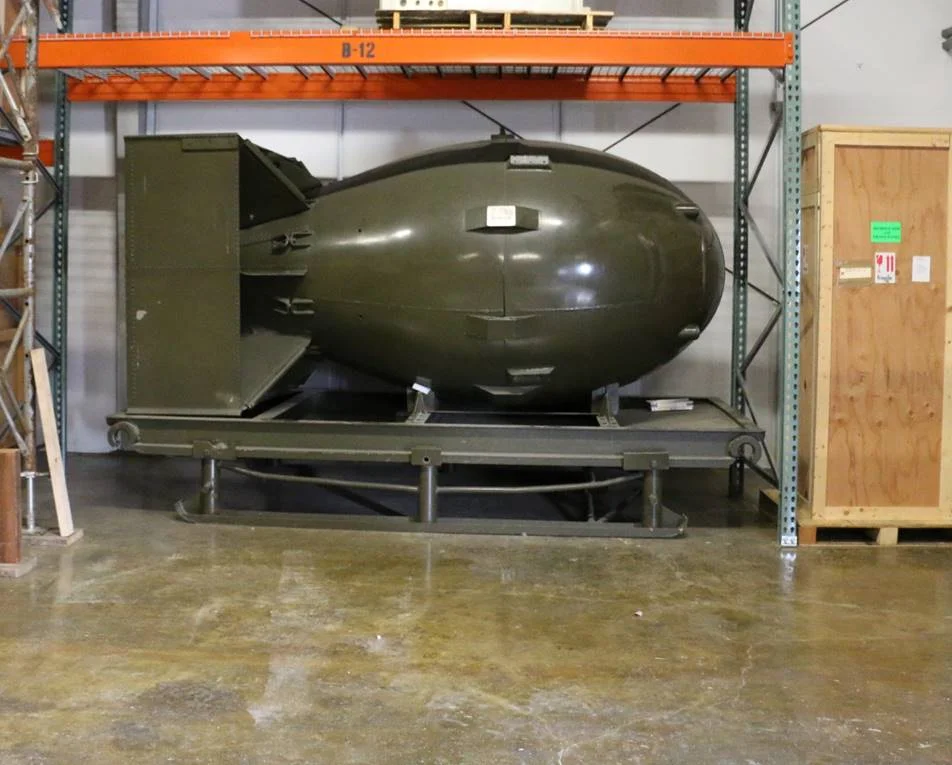
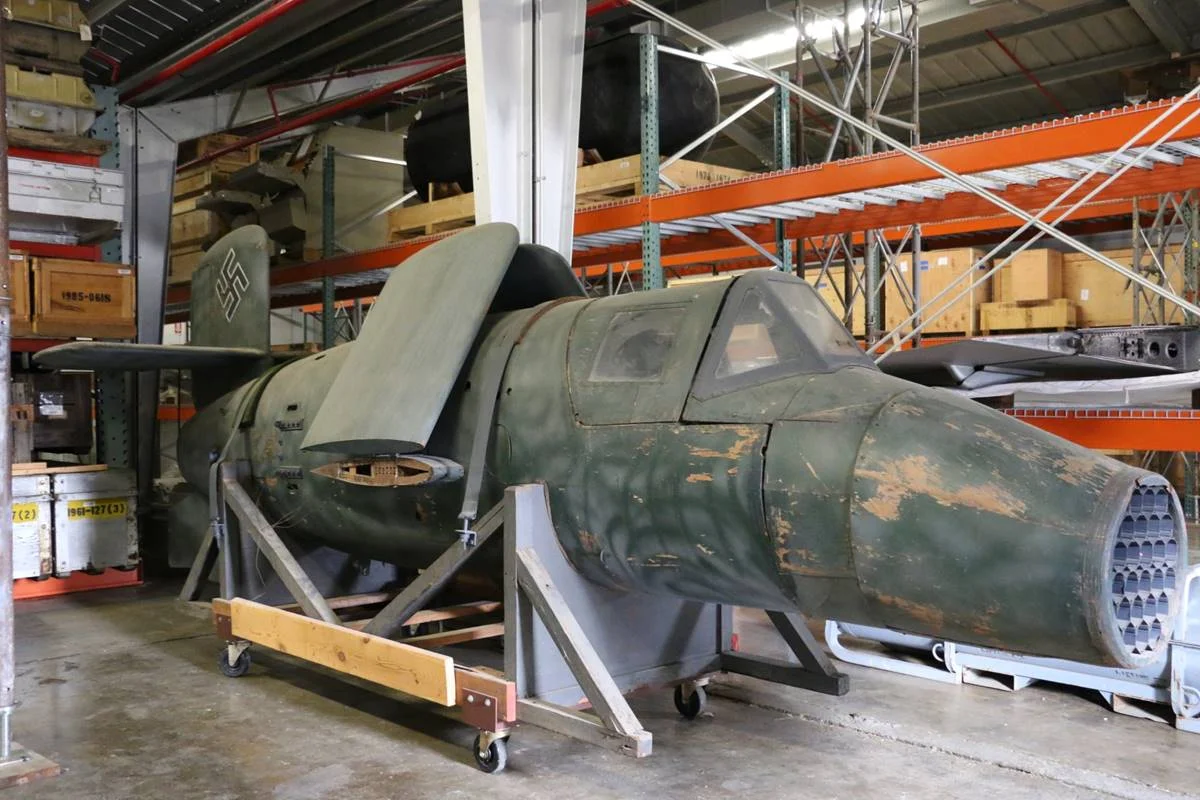

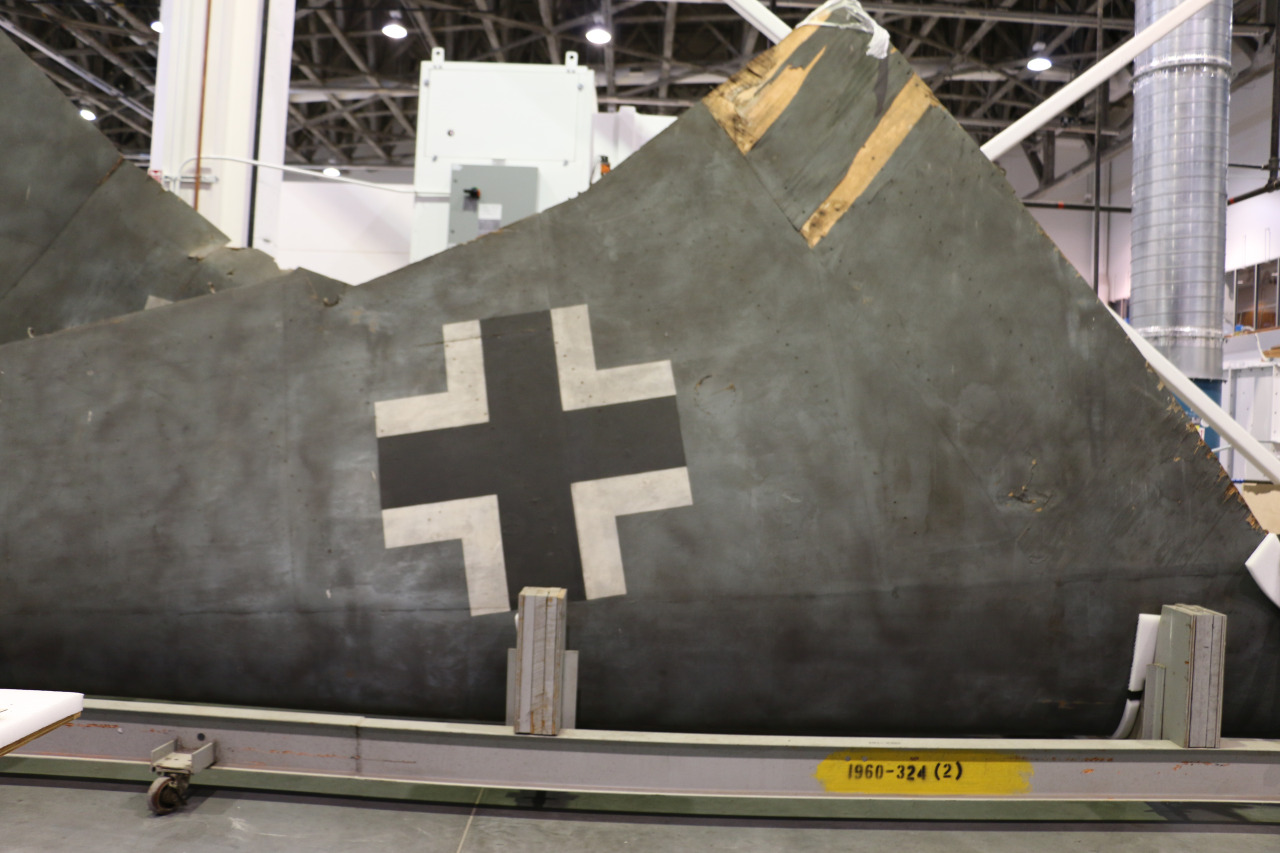
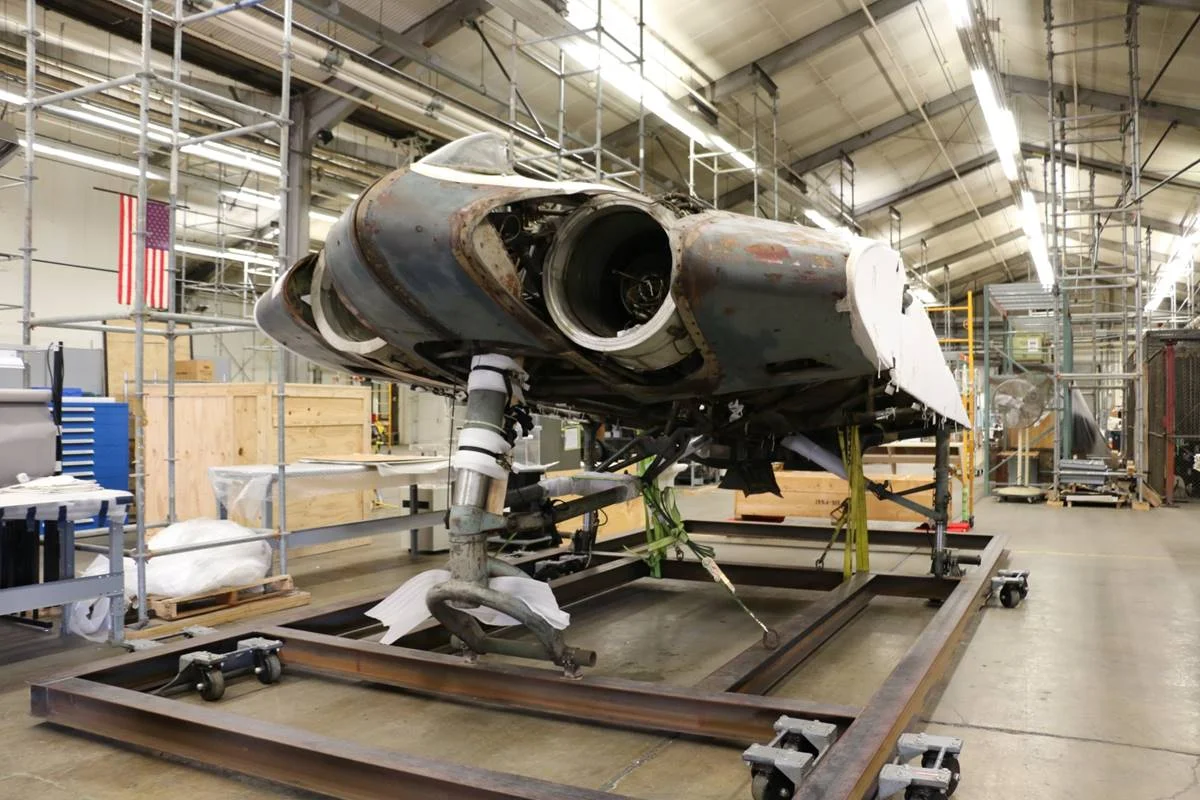
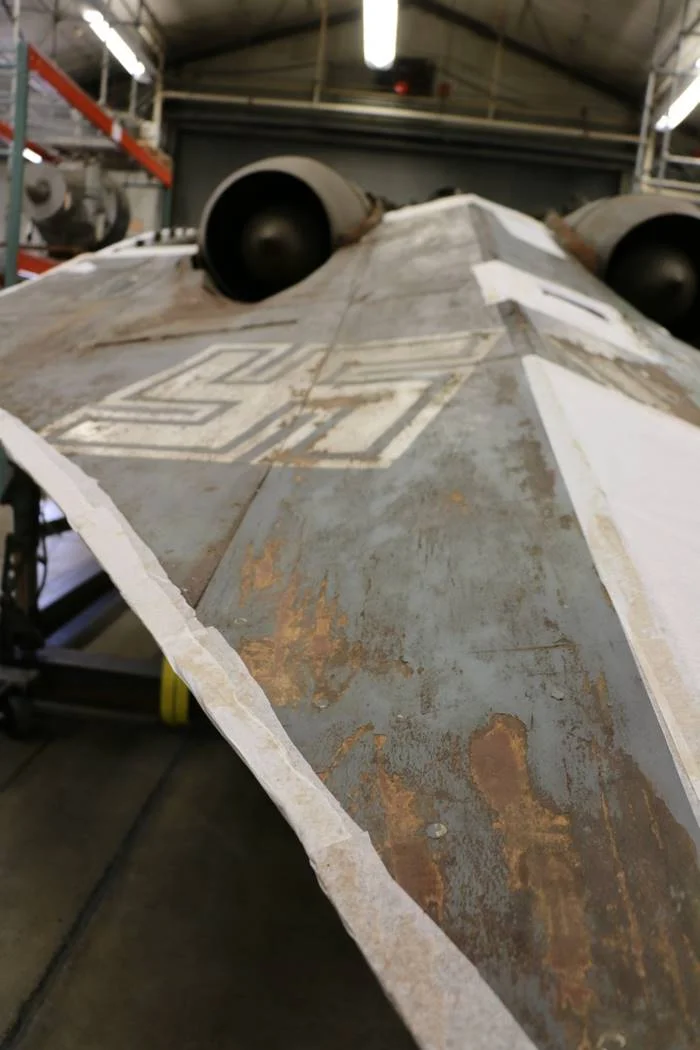
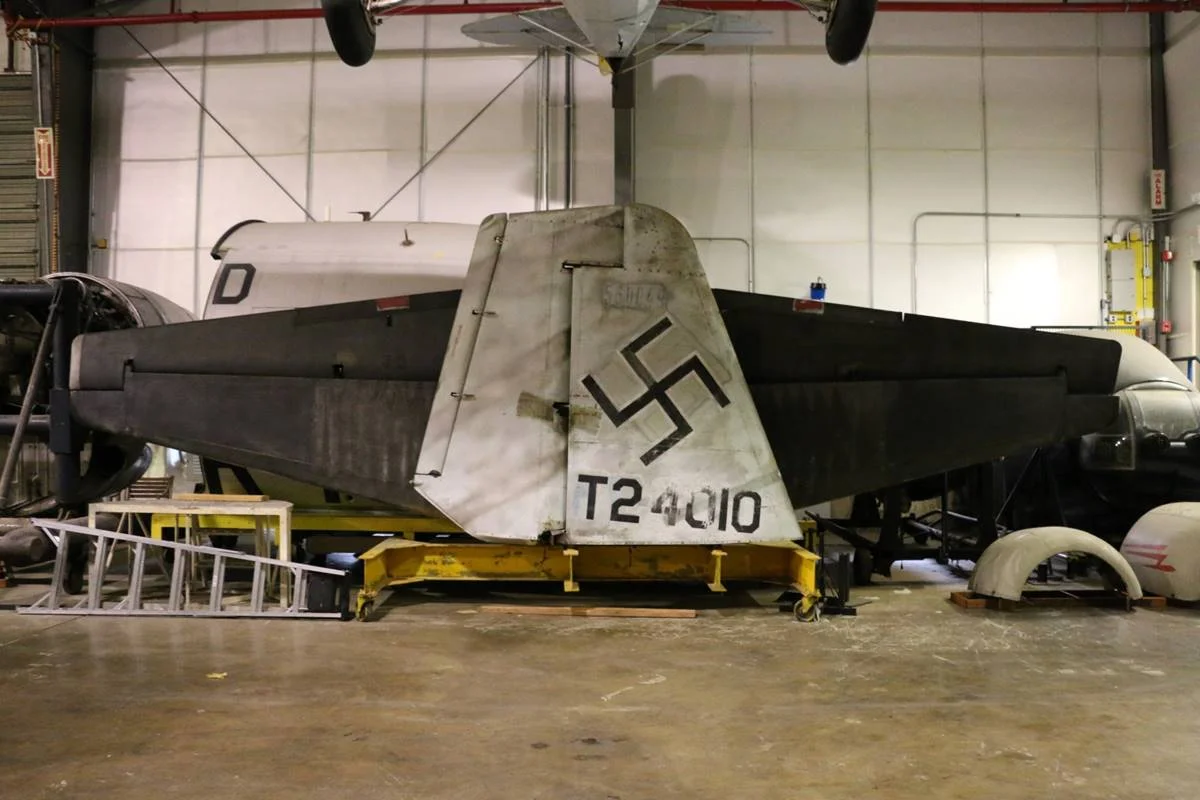
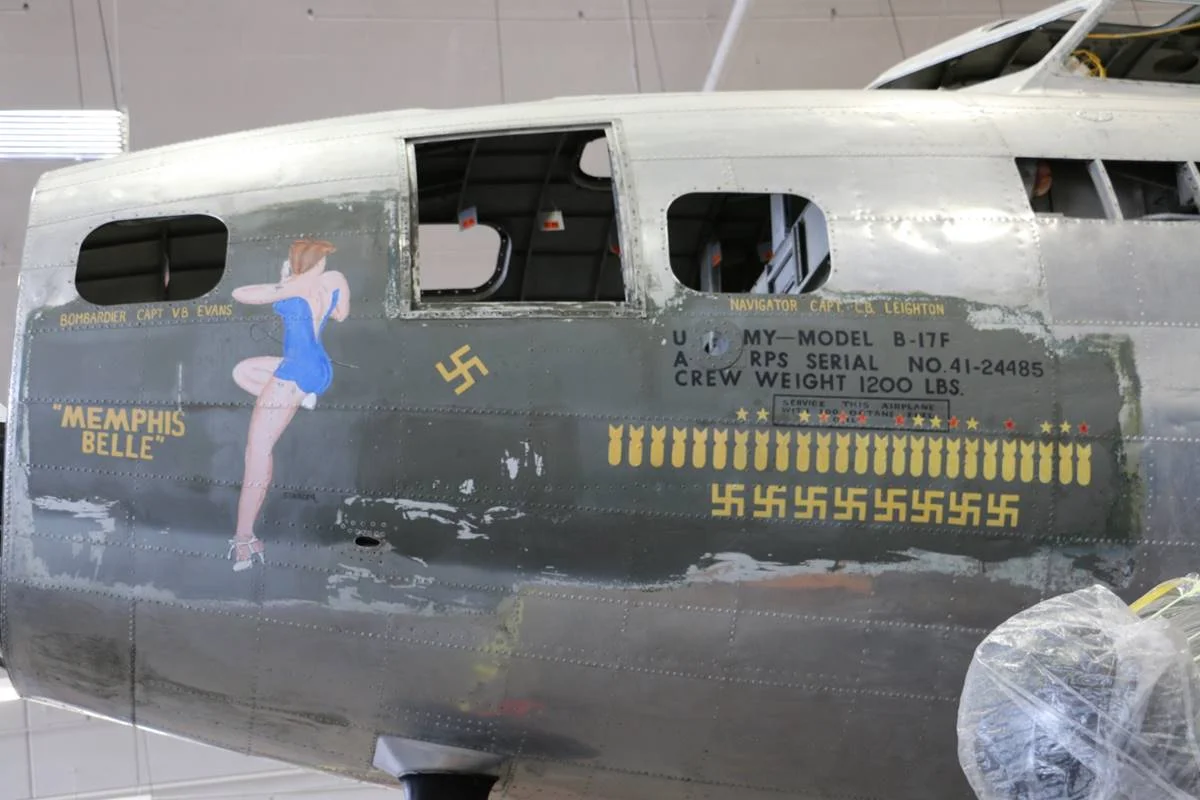
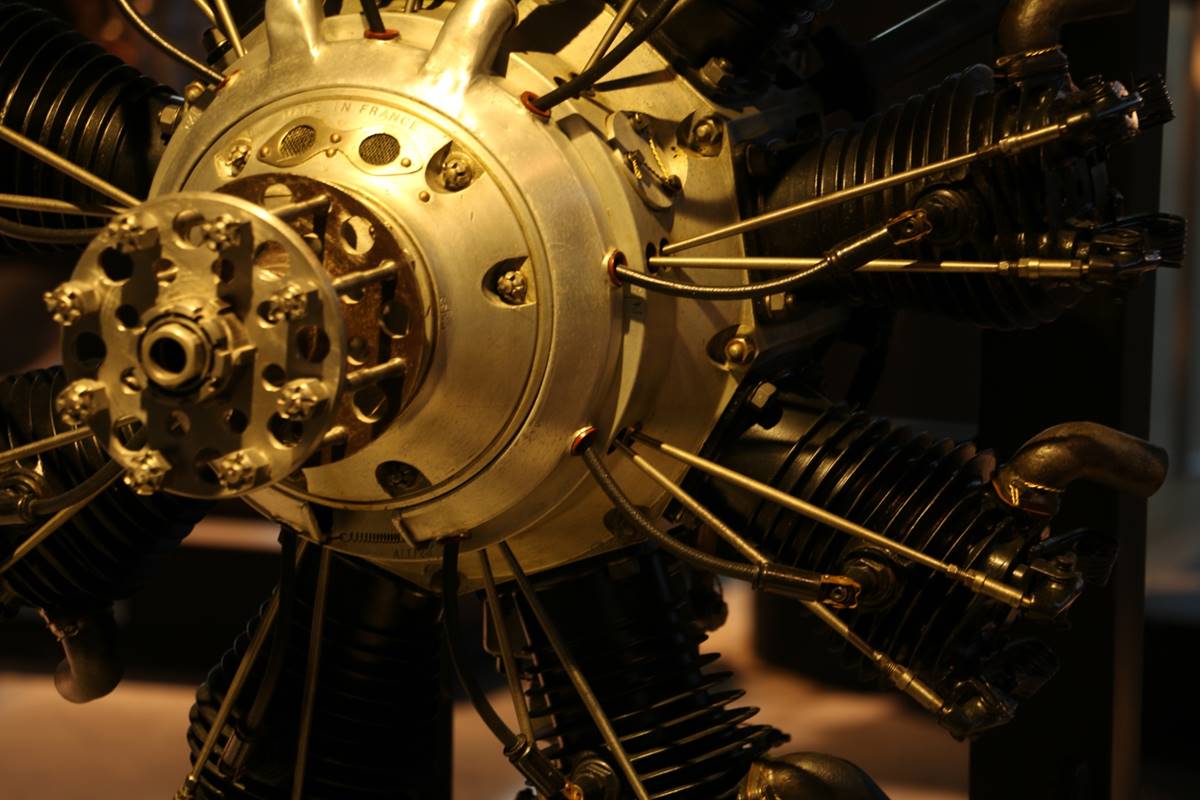
Up close and personal with the engine collection at NASM. Loving the cast engine blocks.
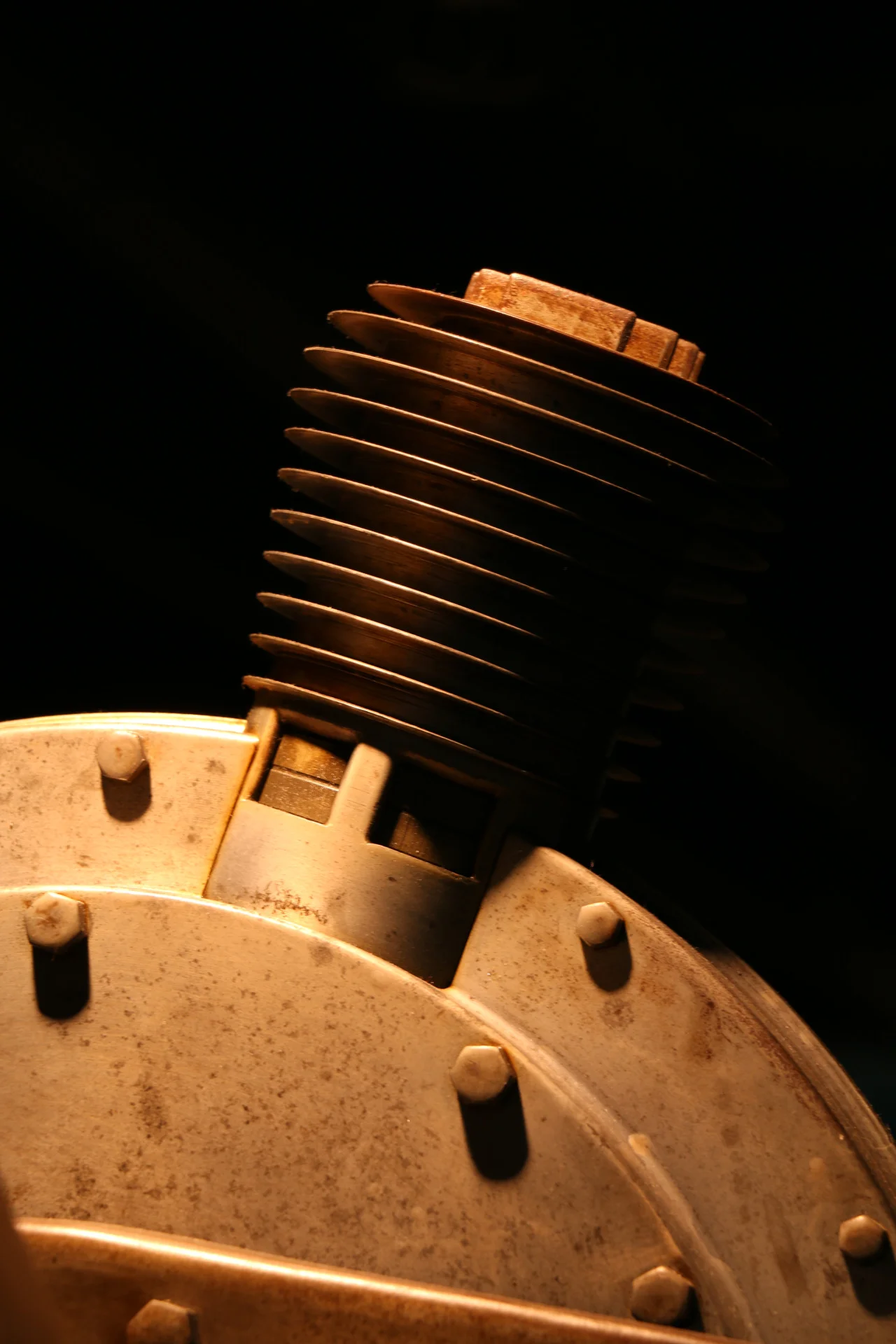
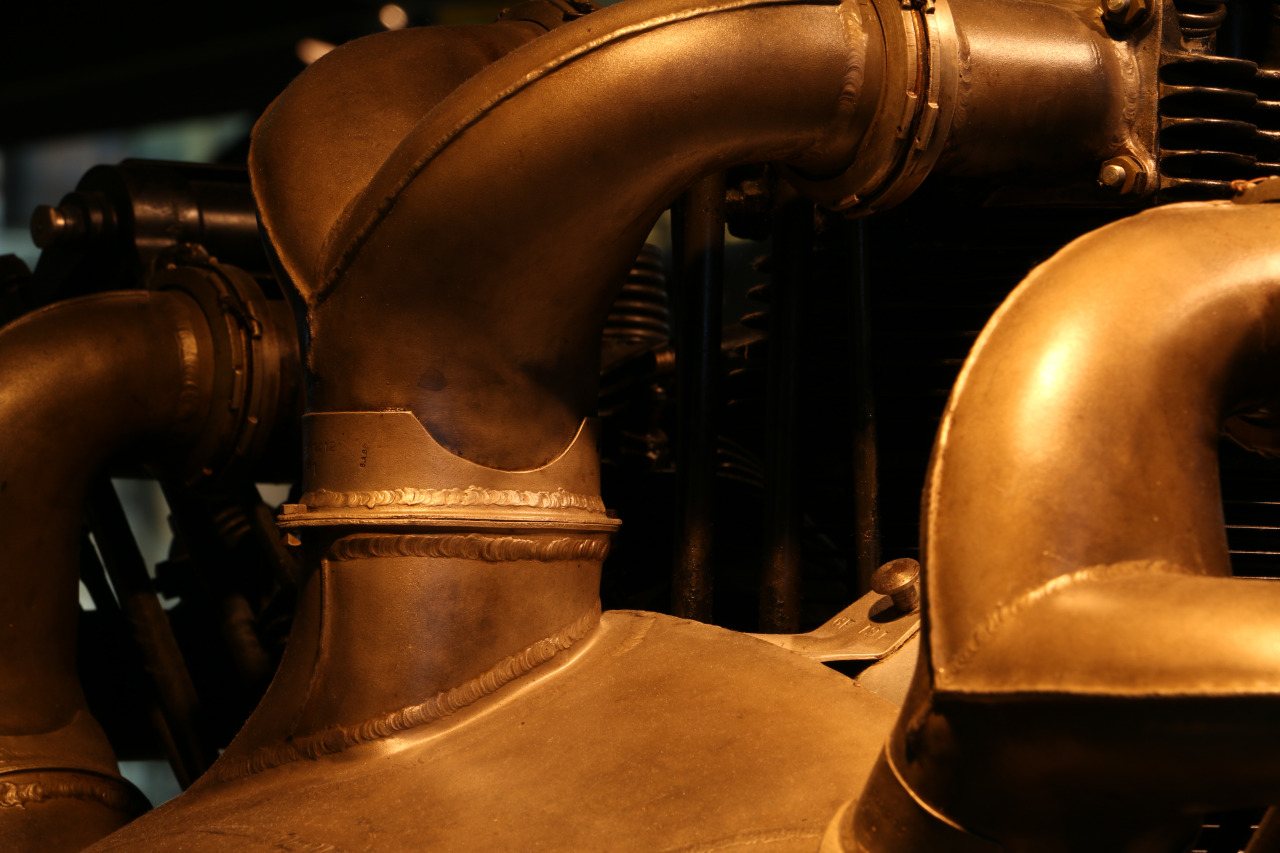
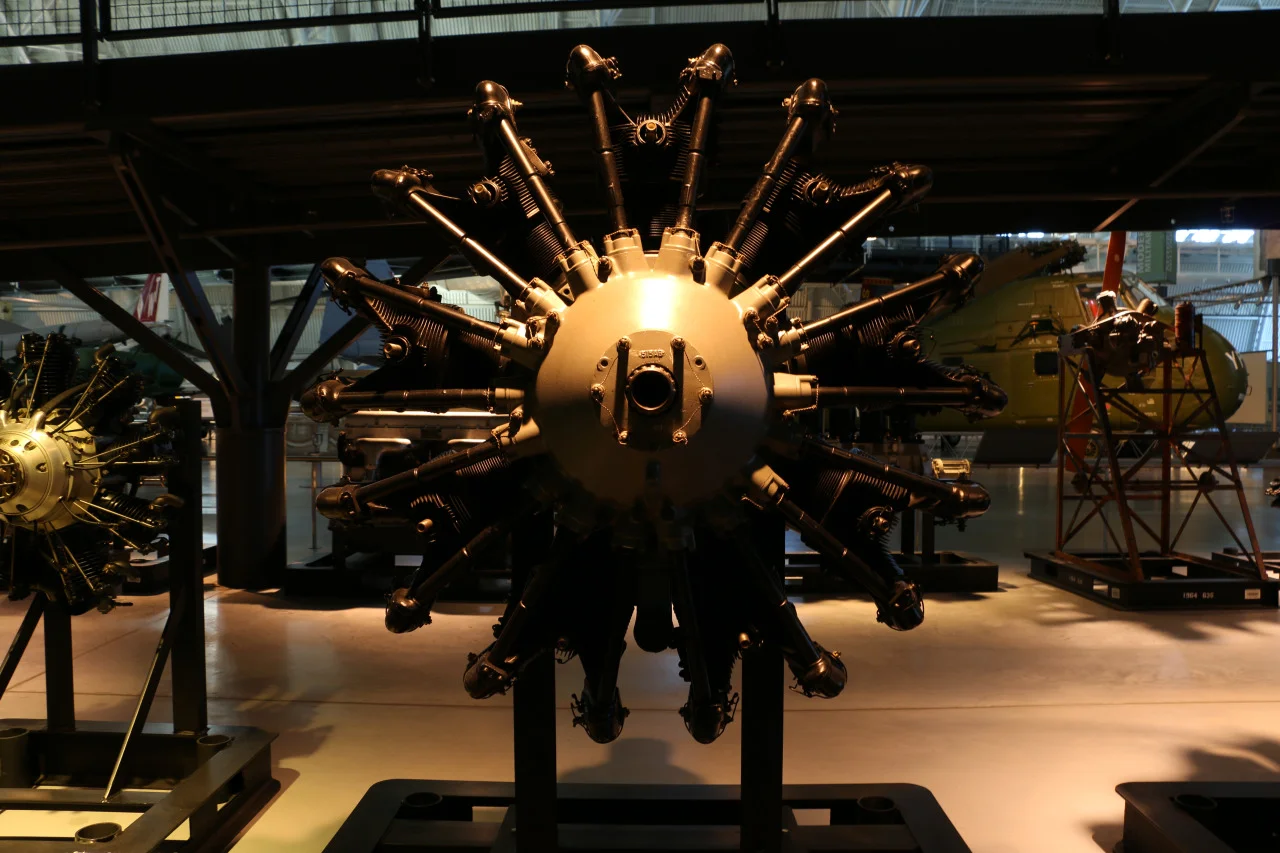
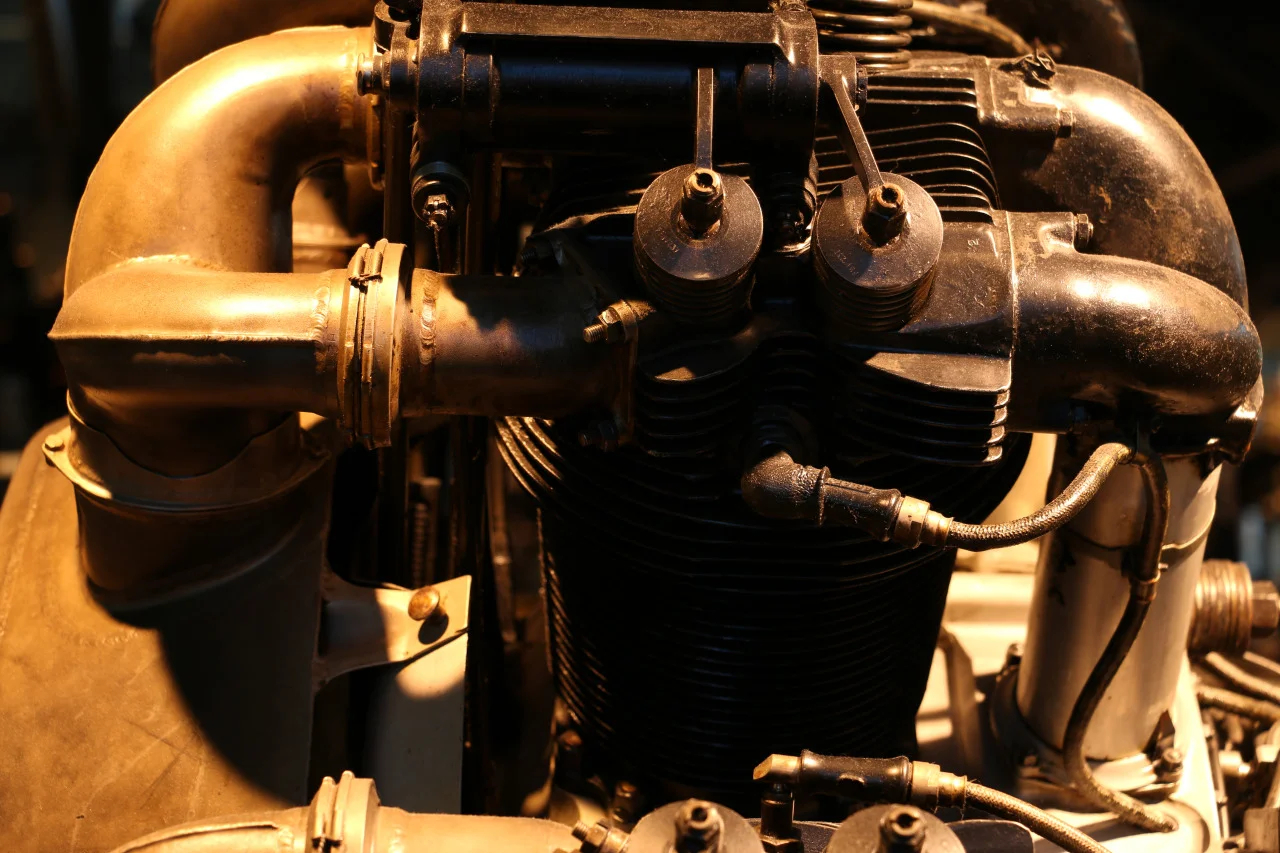
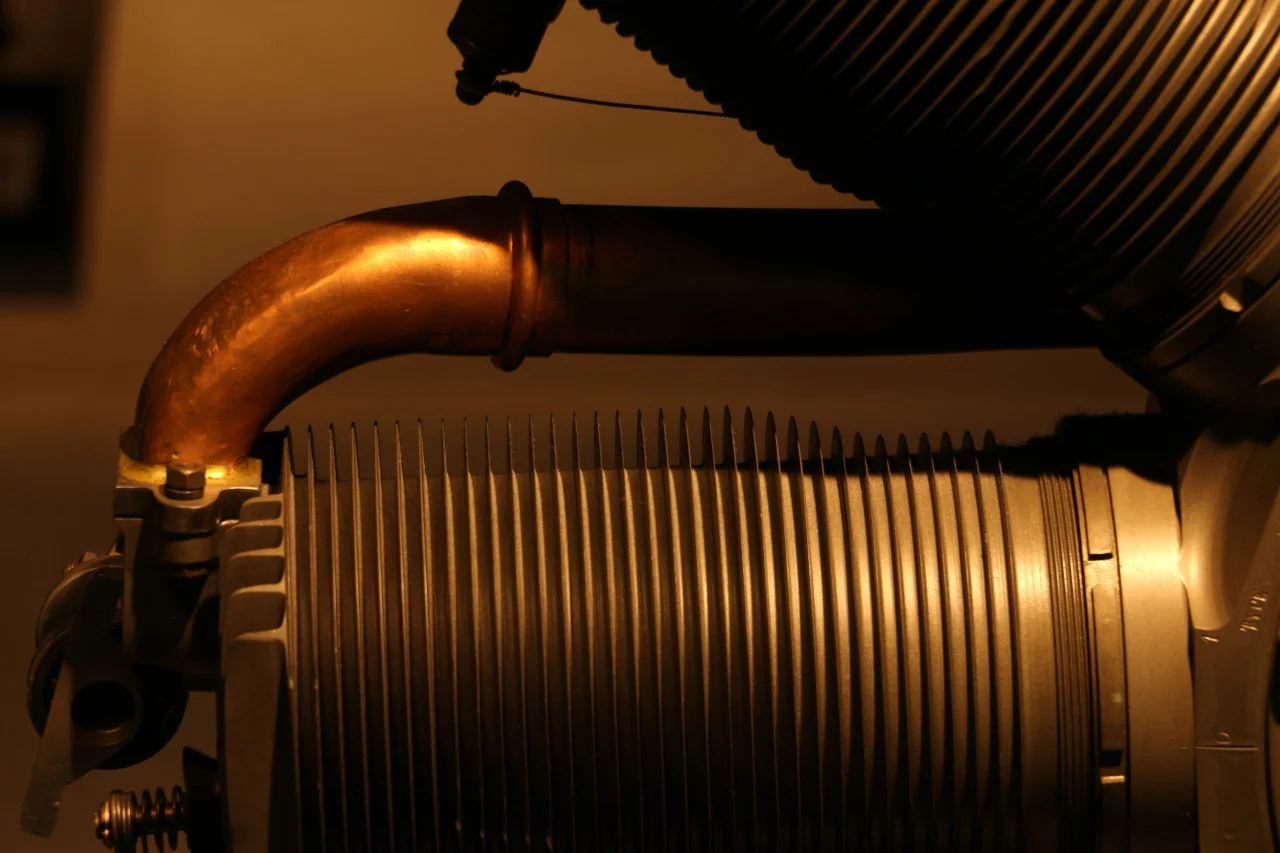
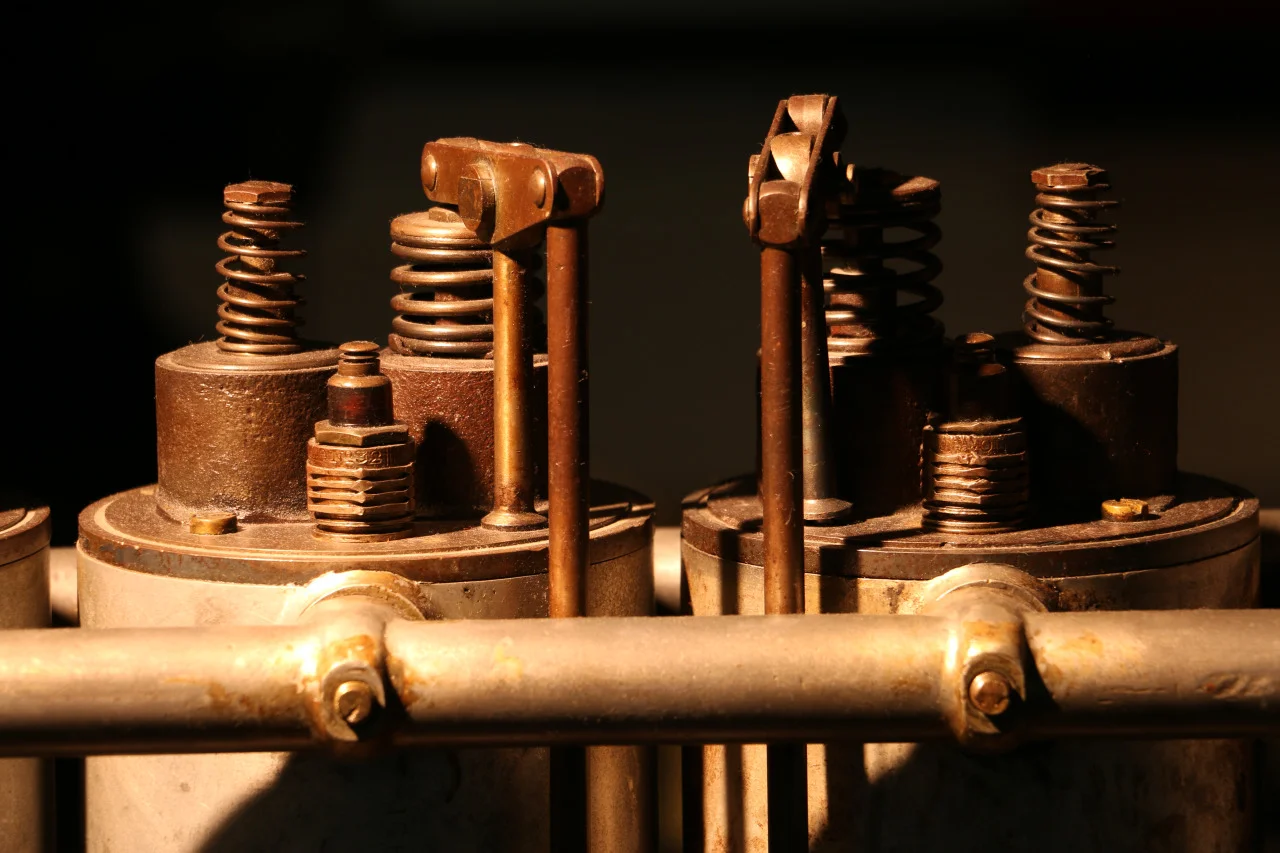
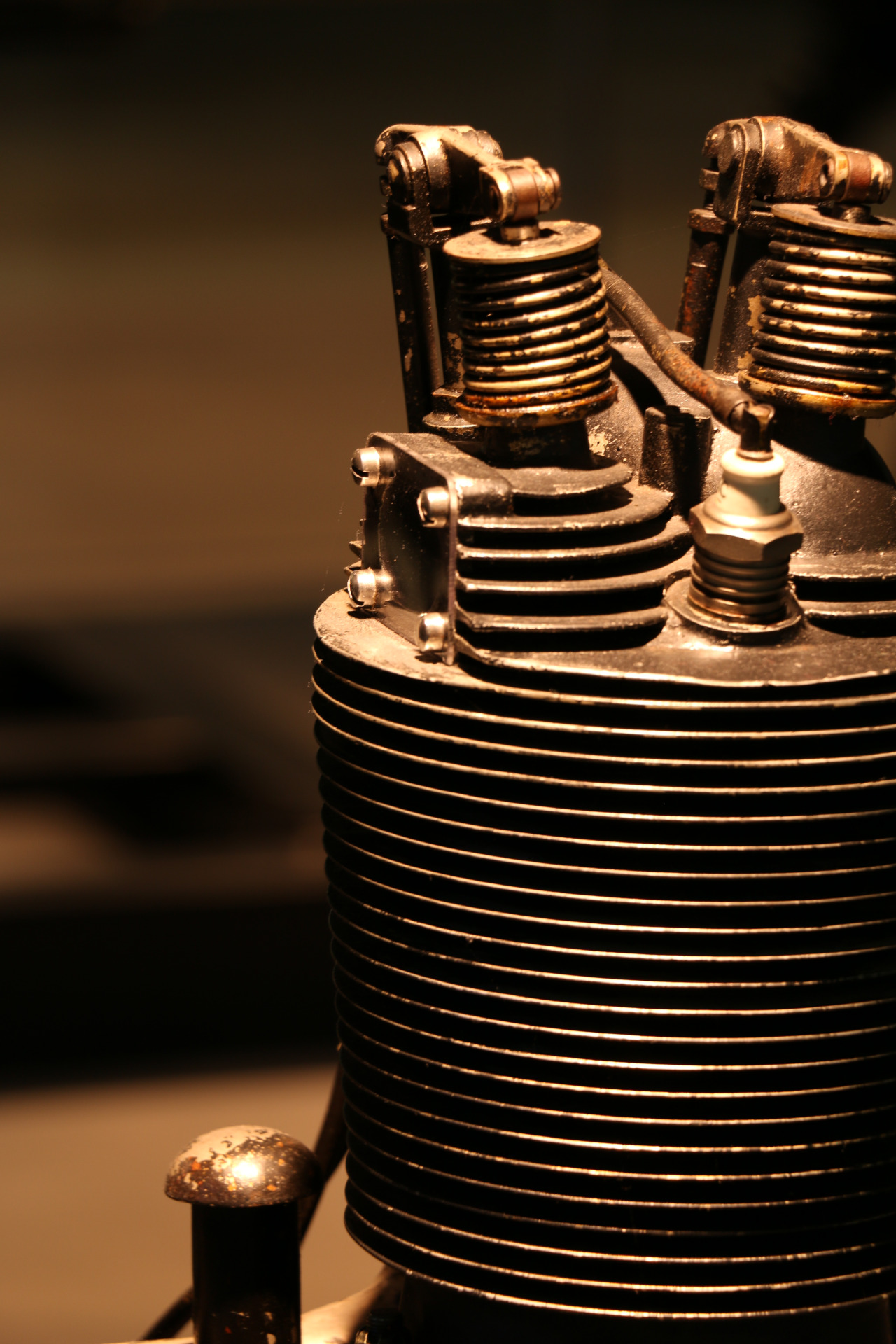
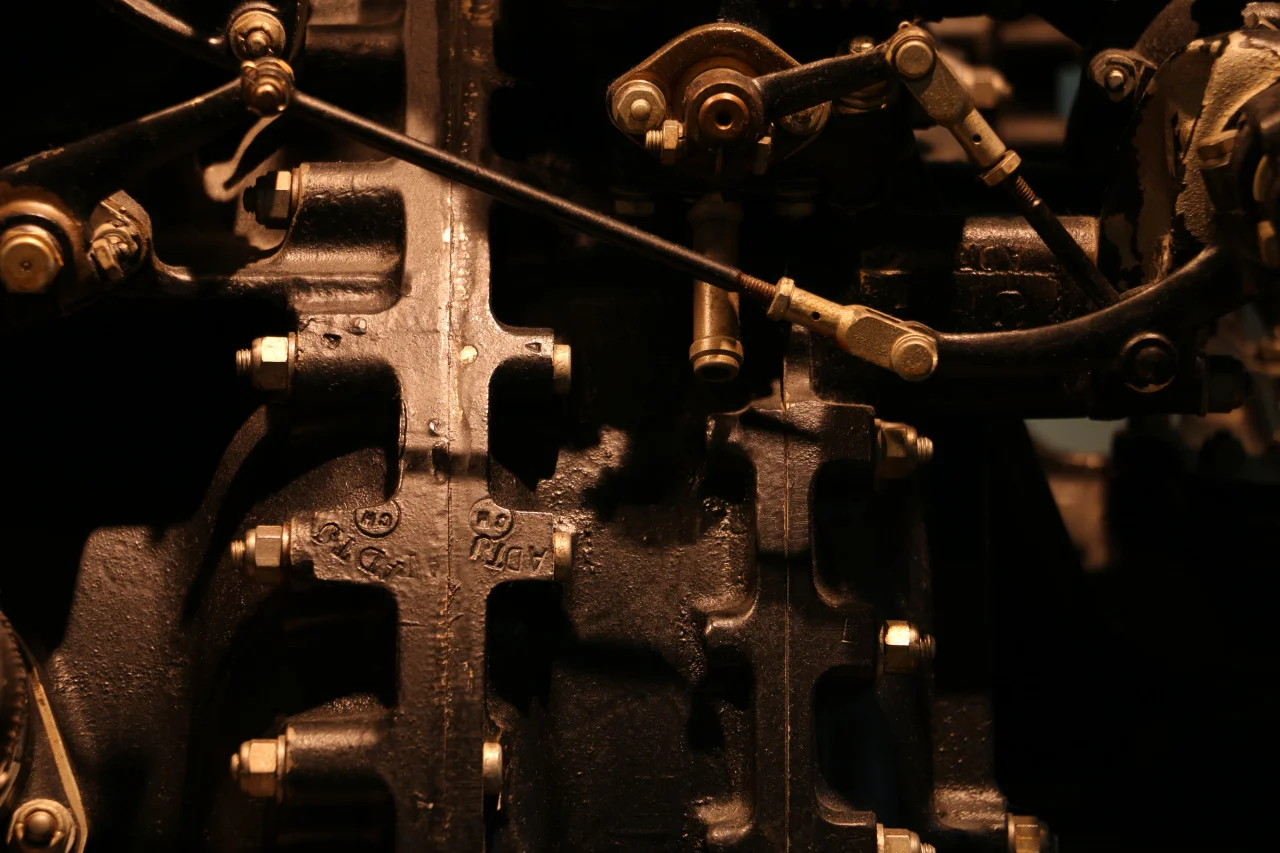
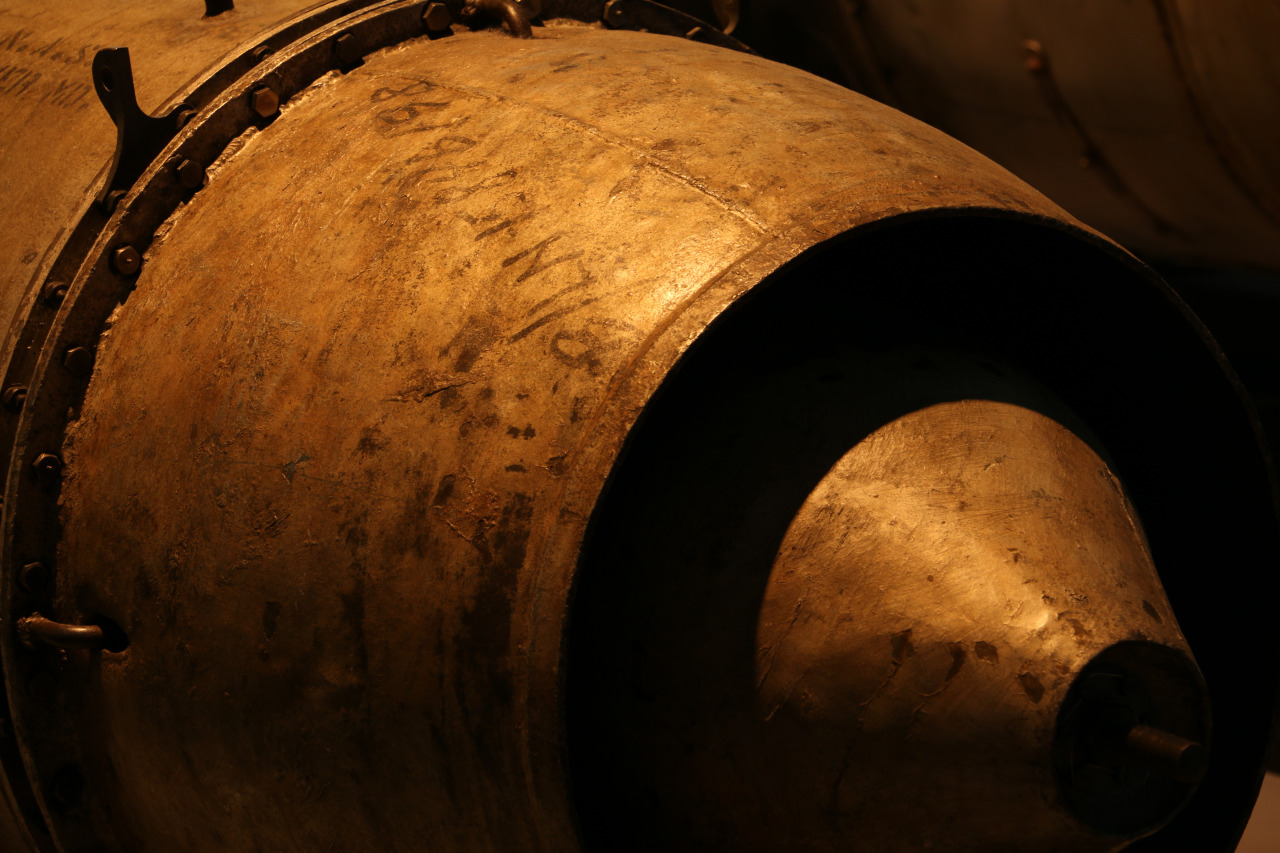
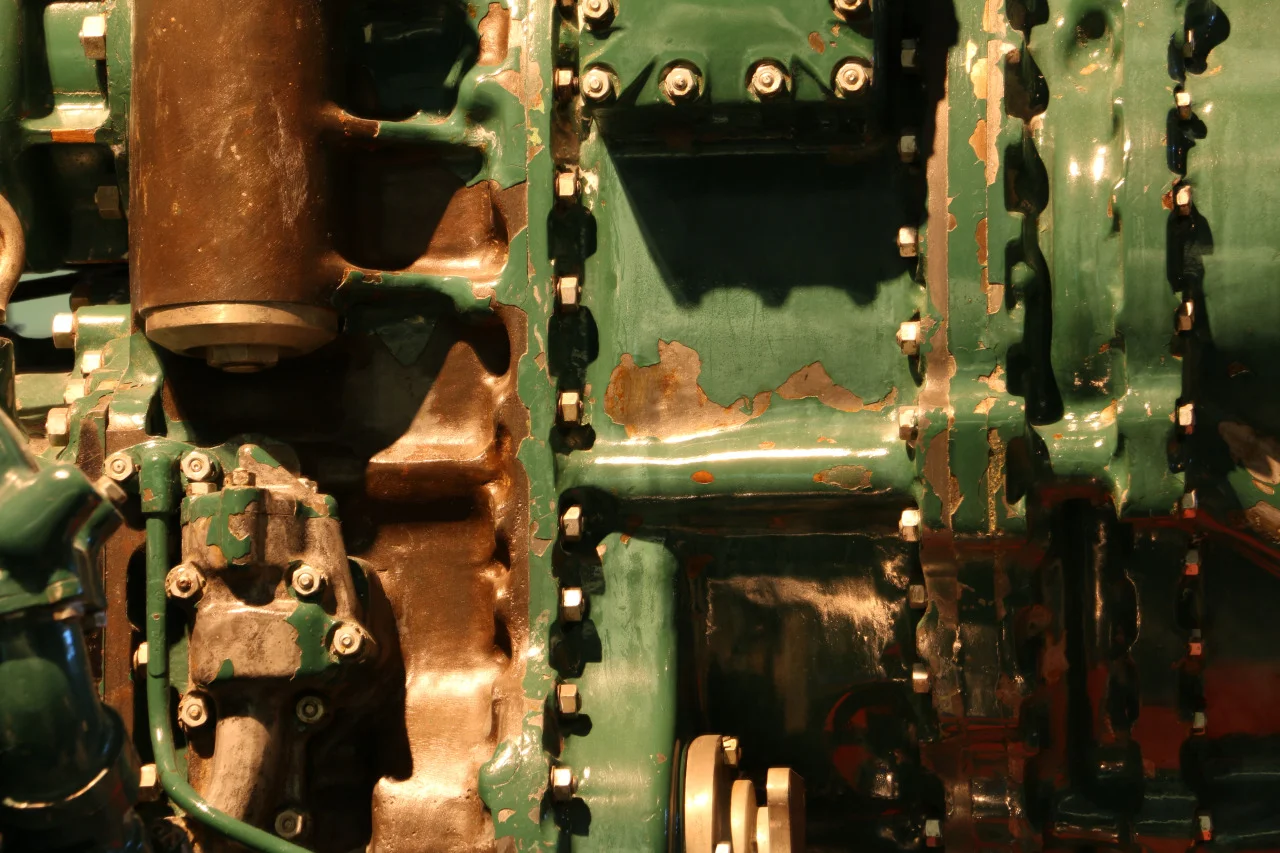
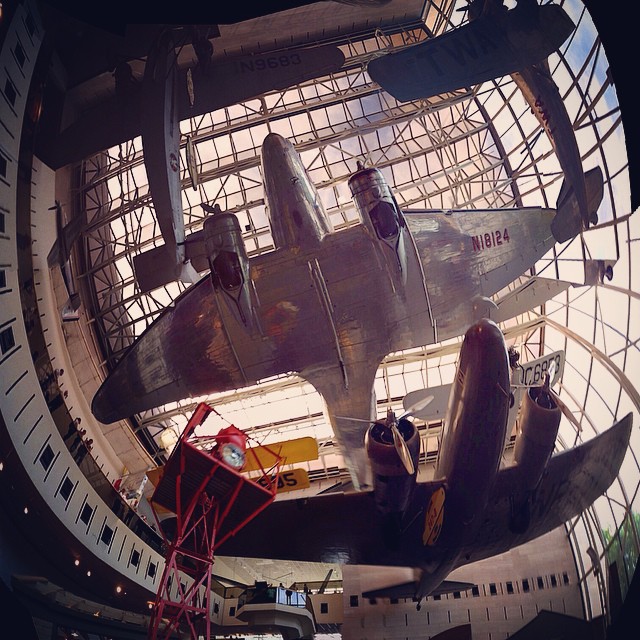
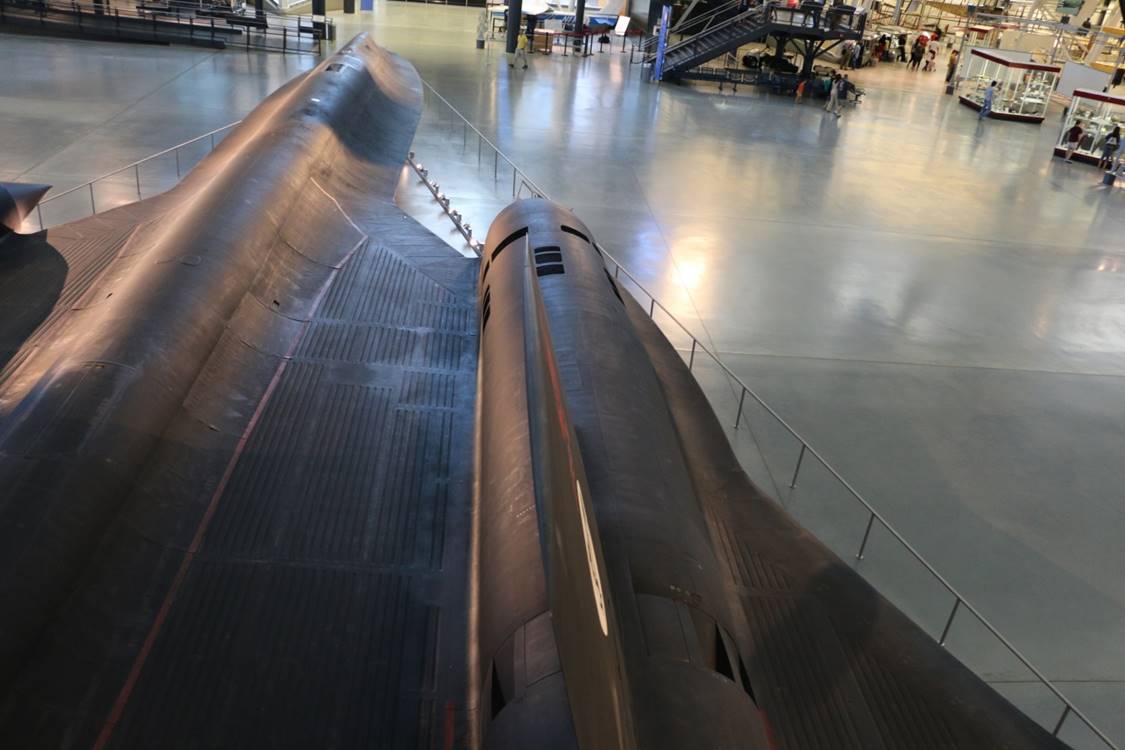
The pursuit of speed, inertia… sometimes I think it is an essential human characteristic to desire momentum. Can you imagine what it was like to be in some of these spaces?
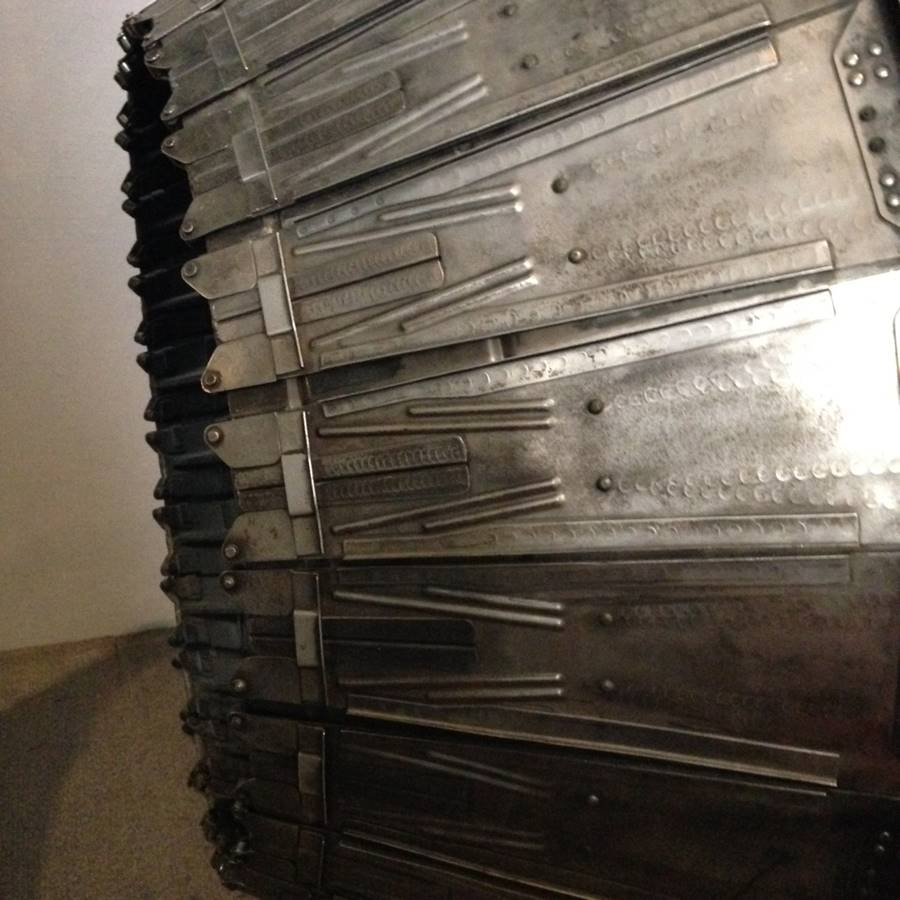
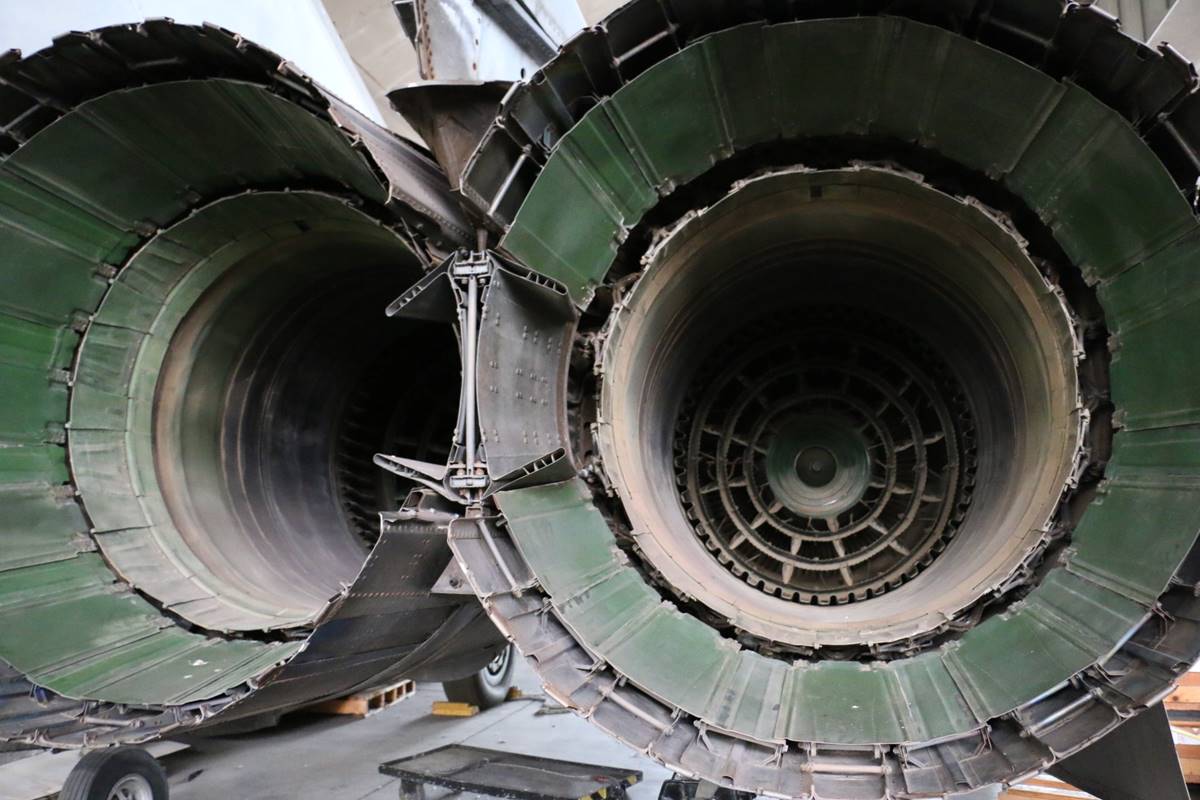
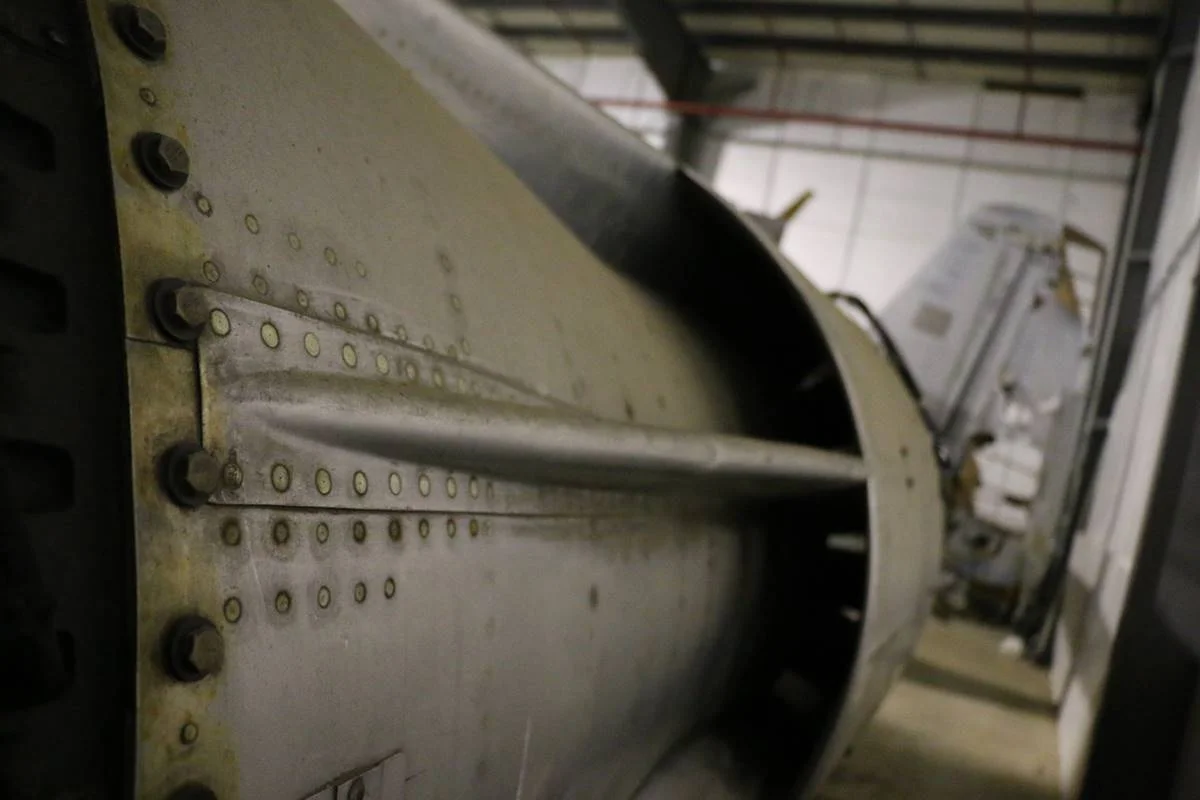
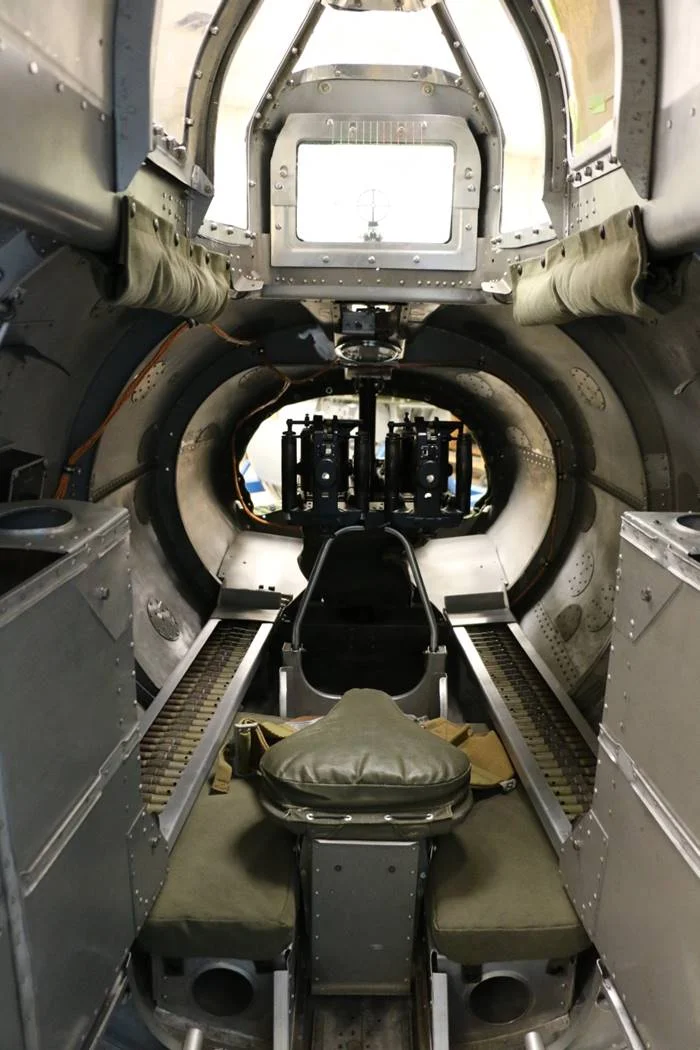
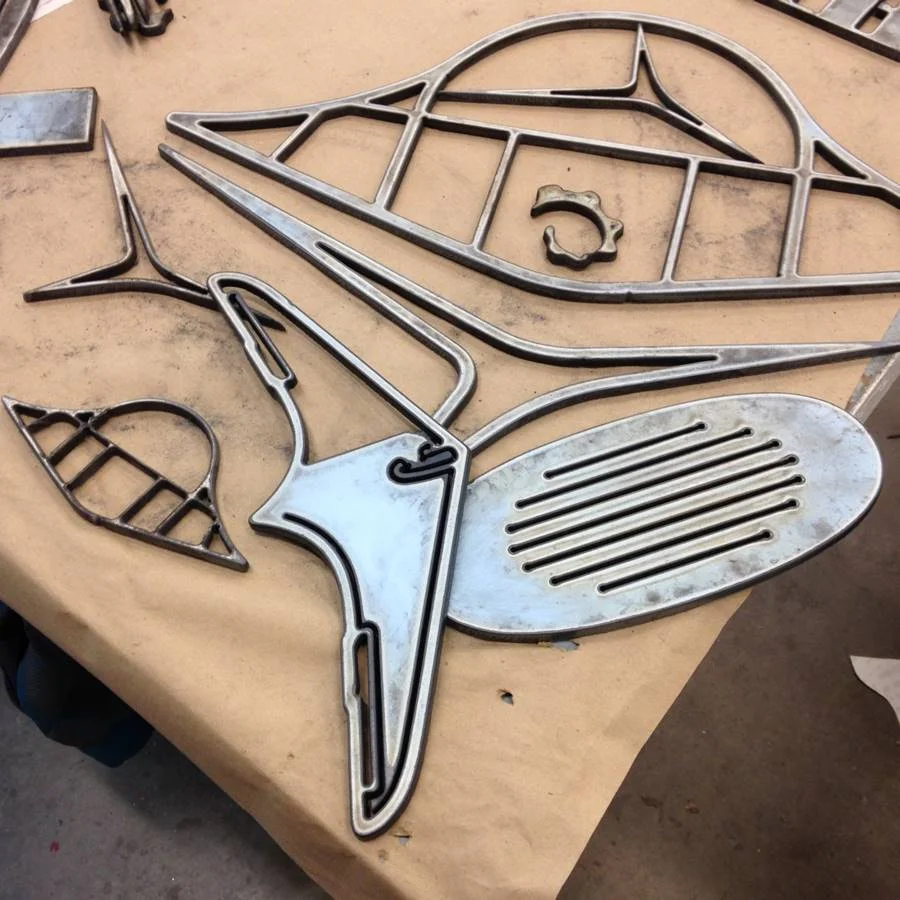
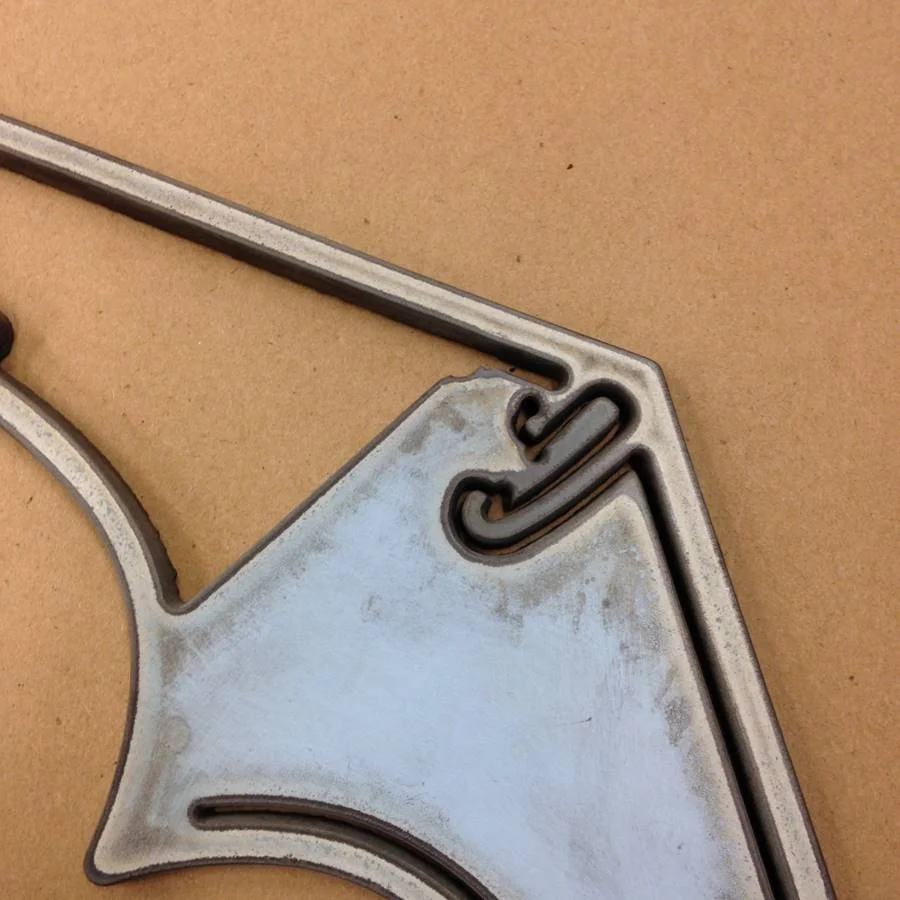
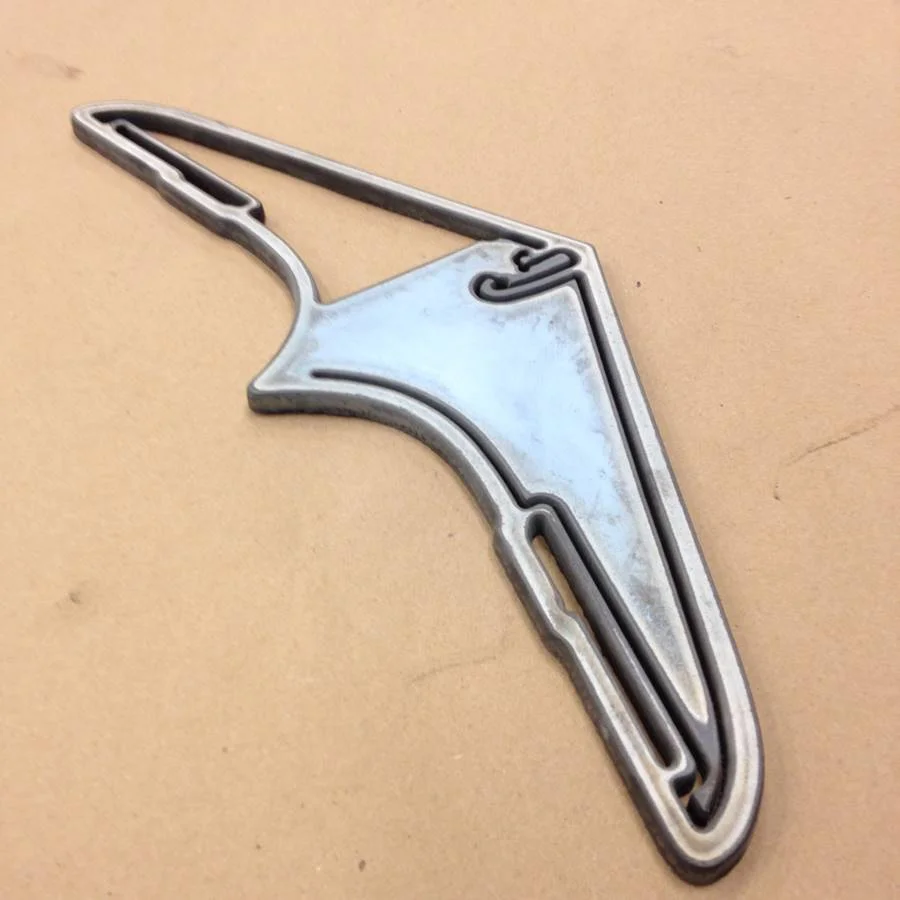
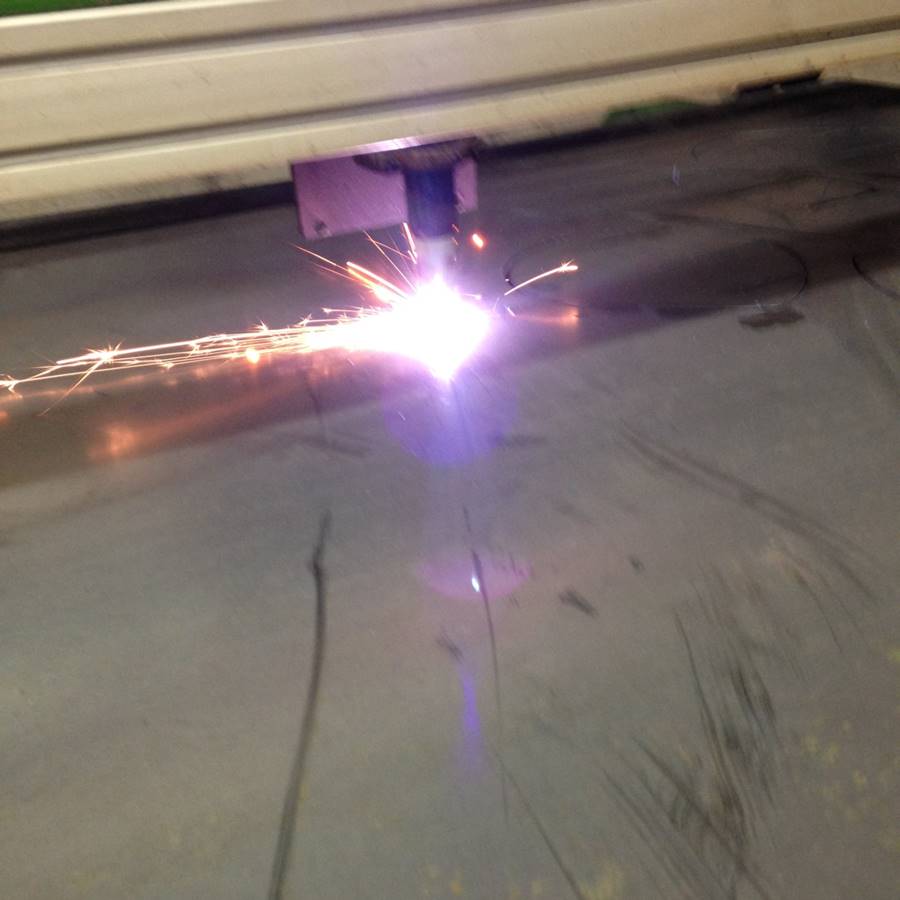
CNC plasma cutting some experiments at Anderson Ranch this fall.
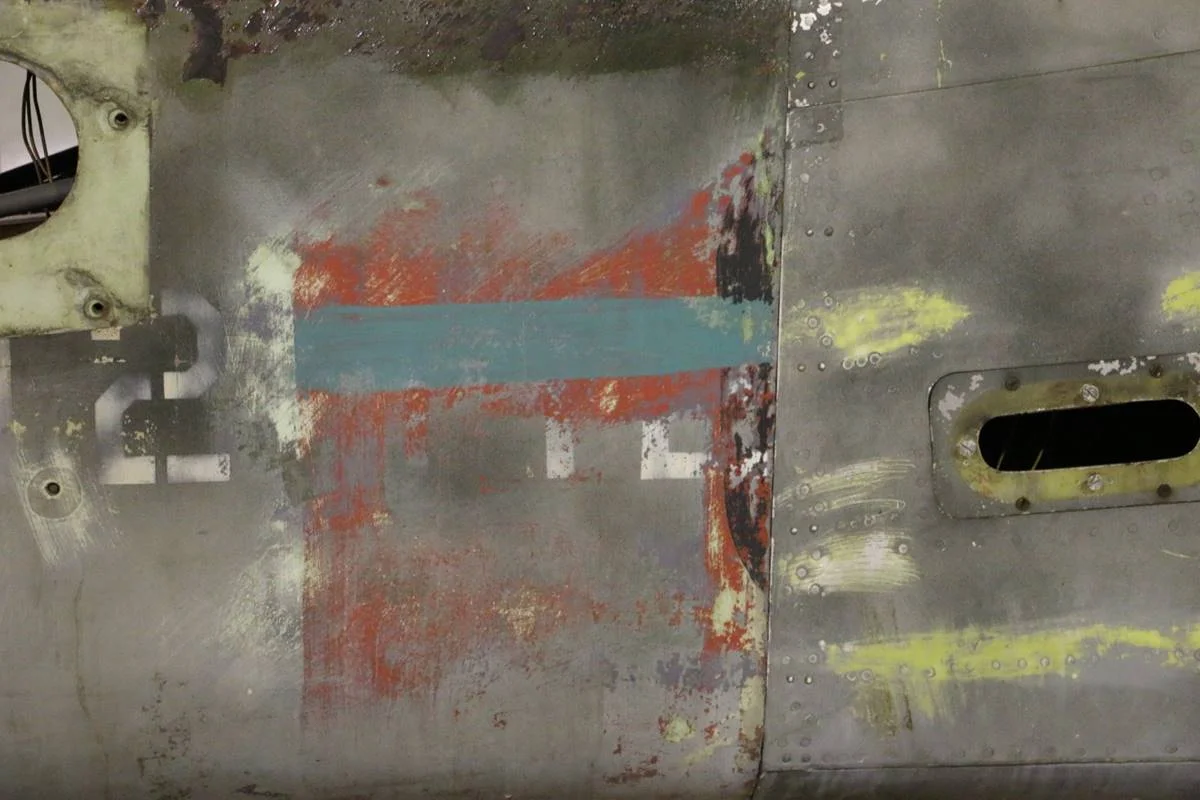
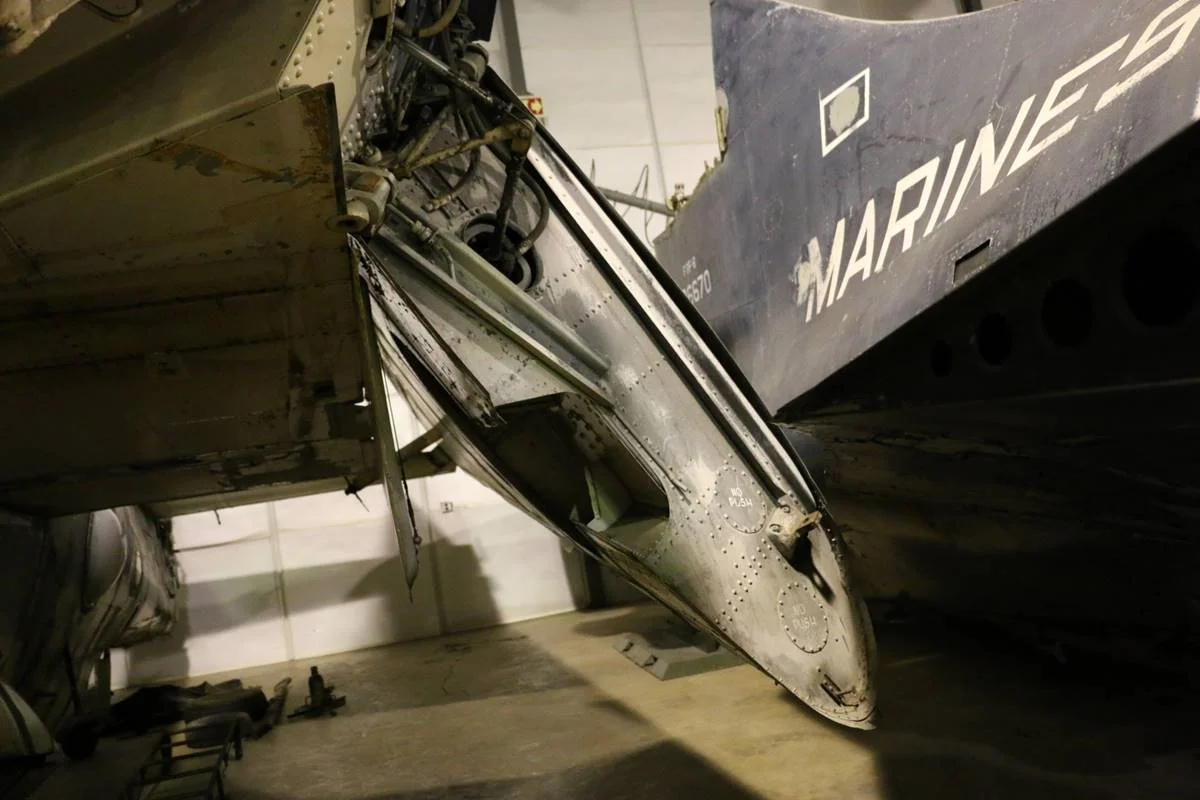
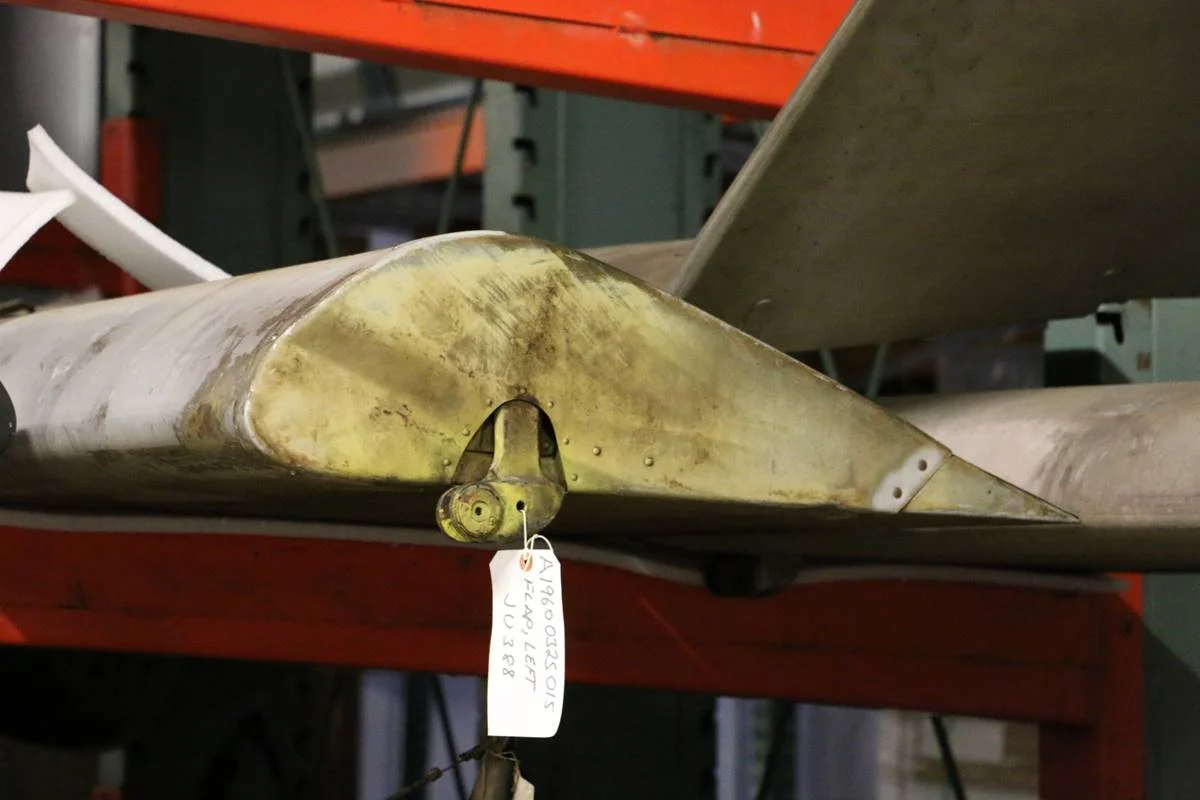
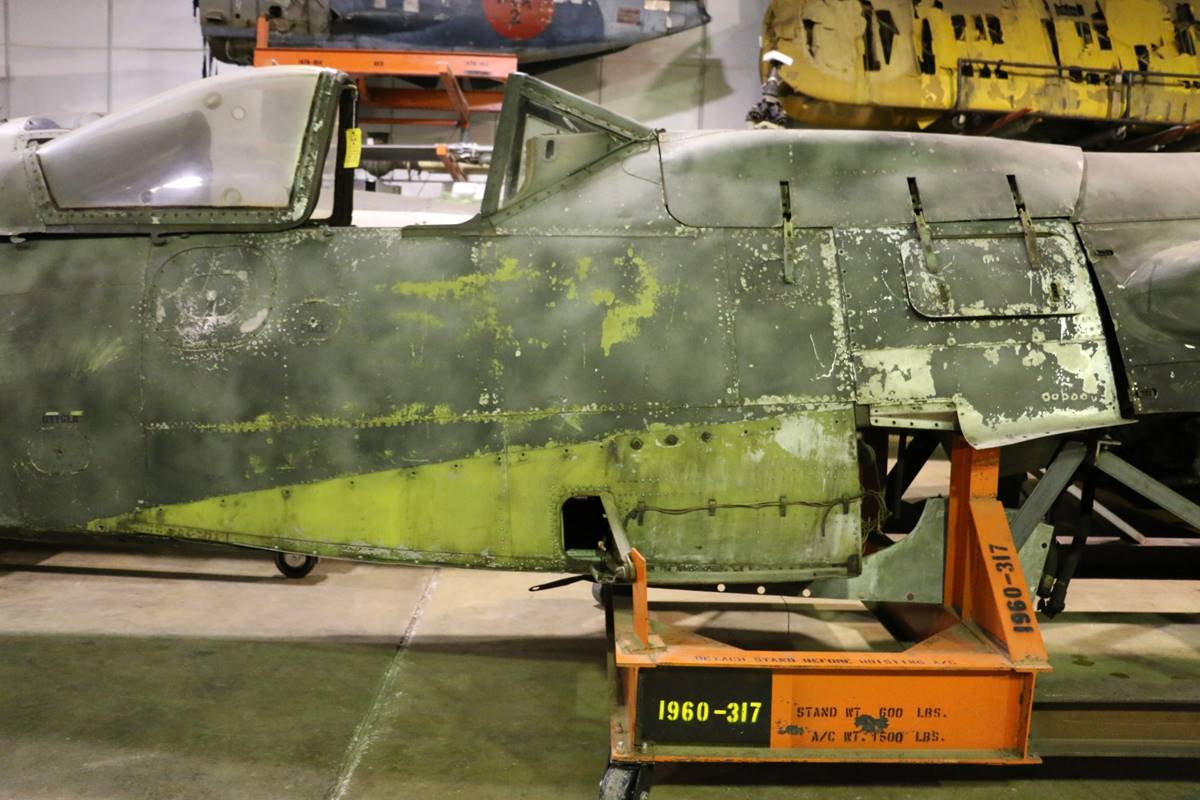
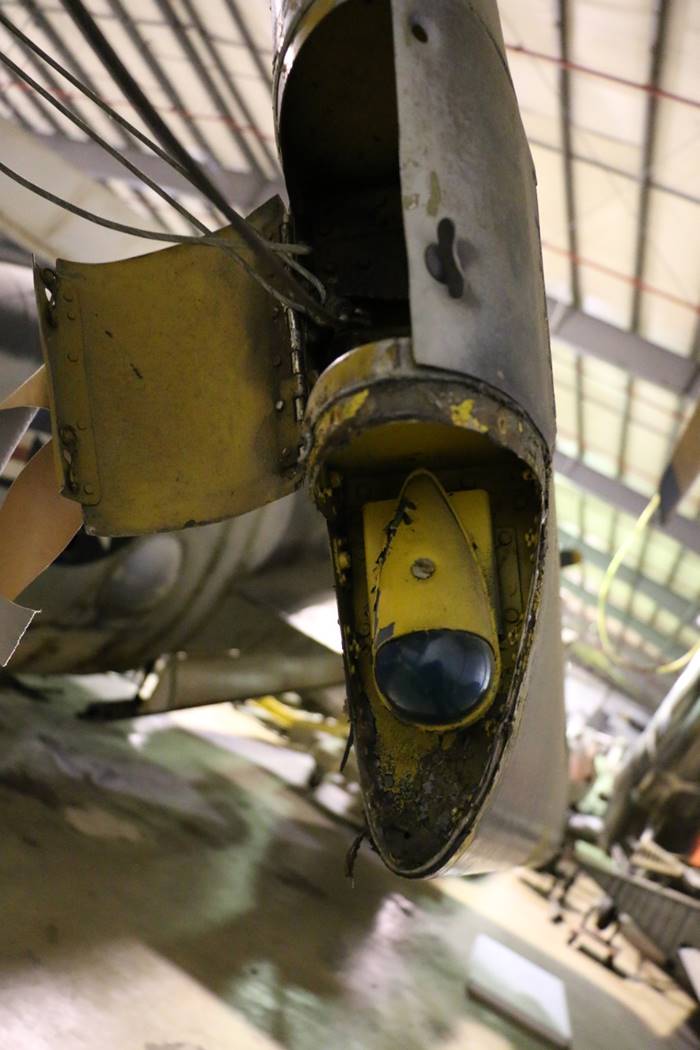
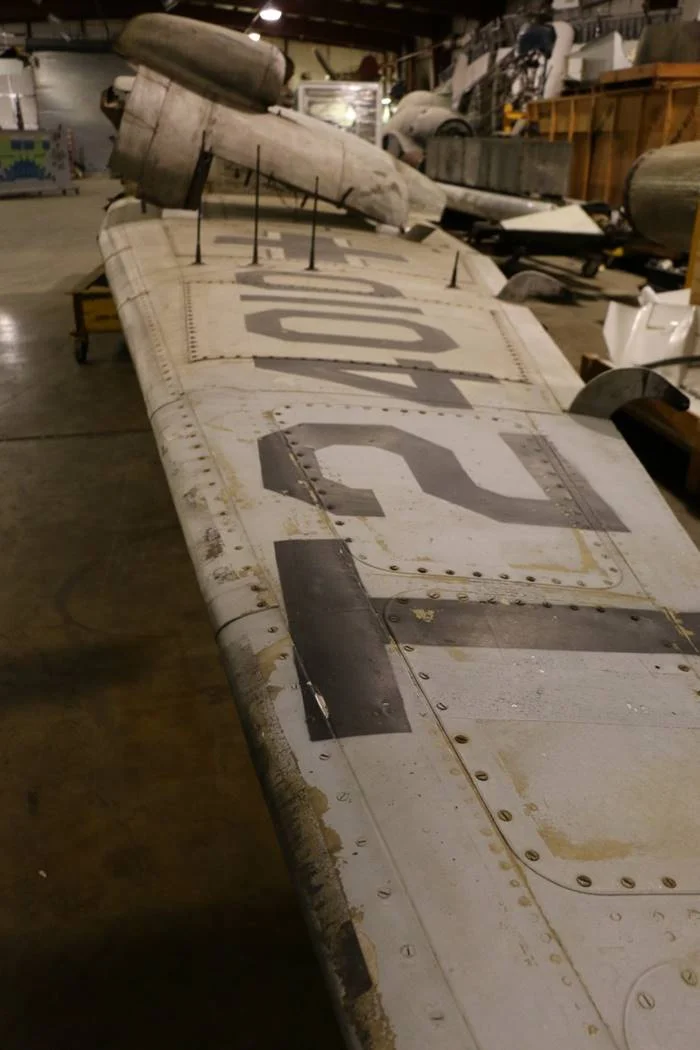
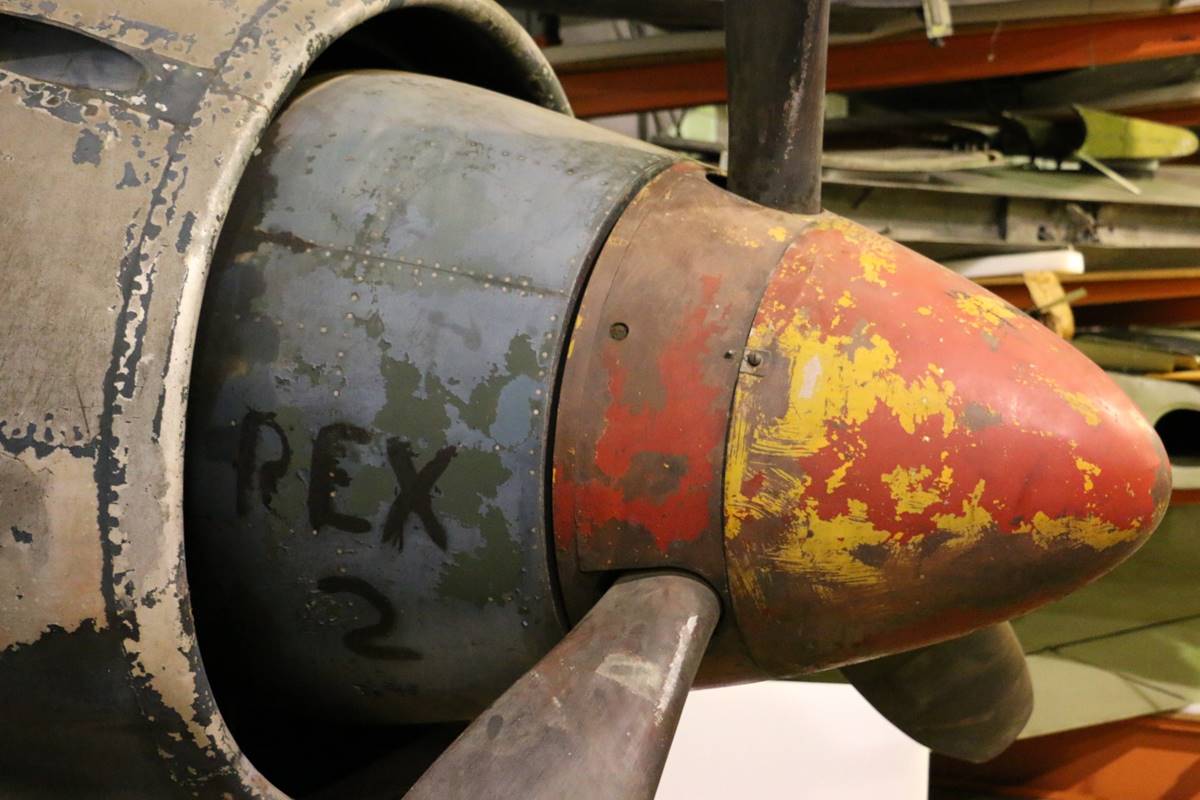
The patina of time can be so alluring. It is hard not to be swept into nostalgia not only from the planes themselves but the layers of color and paintbrush of use. These are deep in storage, not restored or preserved.
Nostalgia can be an extremely useful tool for an artist/designer. Old comforting forms and colors can be mixed with the new and surprising.
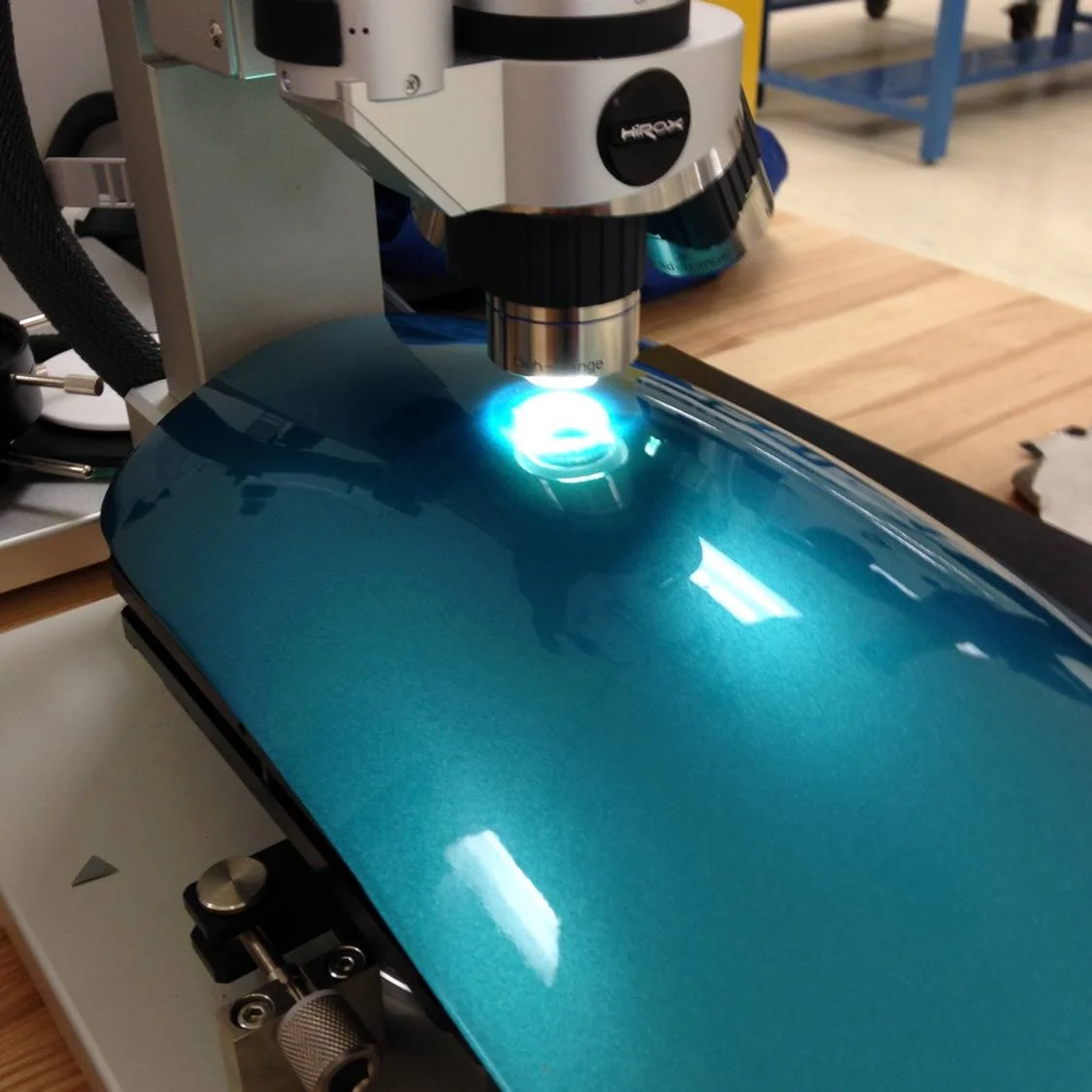
I had the chance to spend an afternoon with the Conservation lab at NASM. They let me play with the 3-D microscope they use to identify materials in an effort to keep these object alive for generations to come. What you see here is actually one of the paint samples from my Anchored Candy series. As I focus through the paint the “sparkle” particulate come into focus for a moment within the multi layer paint job.
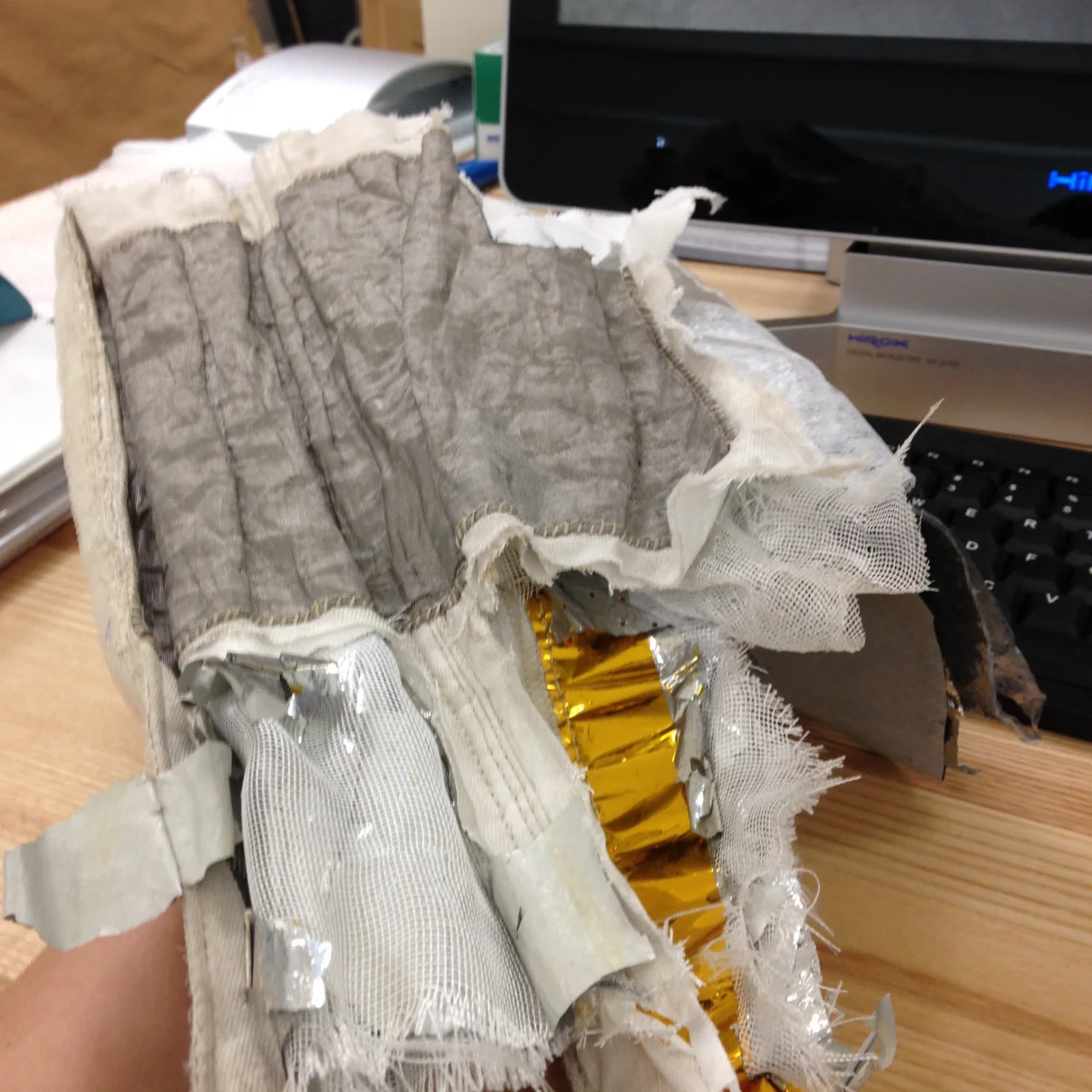
I had the chance to spend an afternoon with the Conservation lab at NASM. They let me play with the 3-D microscope they use to identify materials in an effort to keep these object alive for generations to come. This is a section of one layer of one of the space suited they have in storage there. It was a challenge to figure out how to keep astronauts alive in space. (There are many layers of many different materials) But it is an entirely different challenge to keep these suites alive in Earth’s atmosphere…
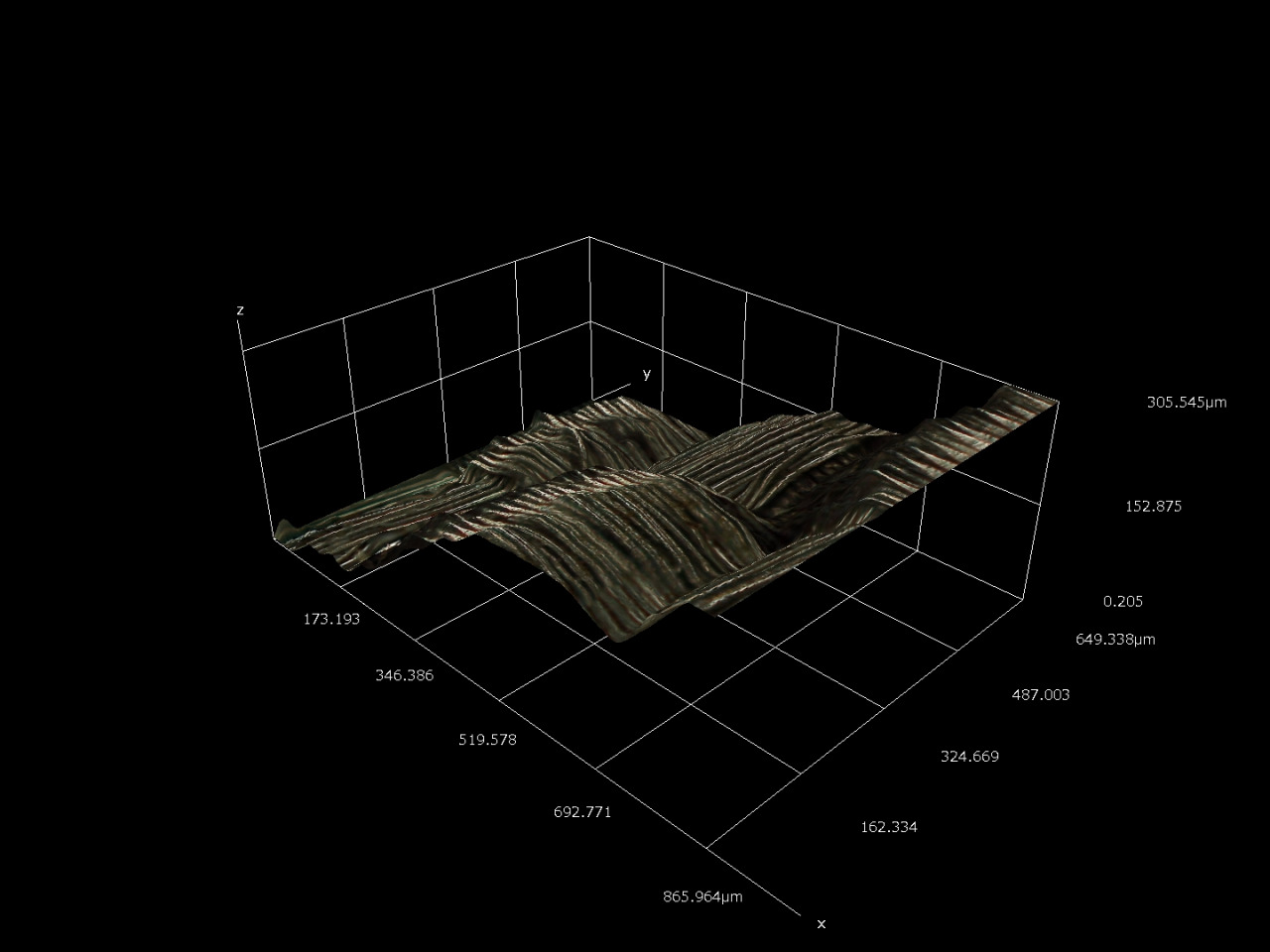
Another look at what we are focusing across in the space suit material.
I am endlessly fascinated by scale shifts. There is a poetry in them for me. We lose perspective and can be surprised in scale shifts. It is one of the reasons I like to make pieces that come down to preposterously tiny feet that still have extraordinary mass and weight.
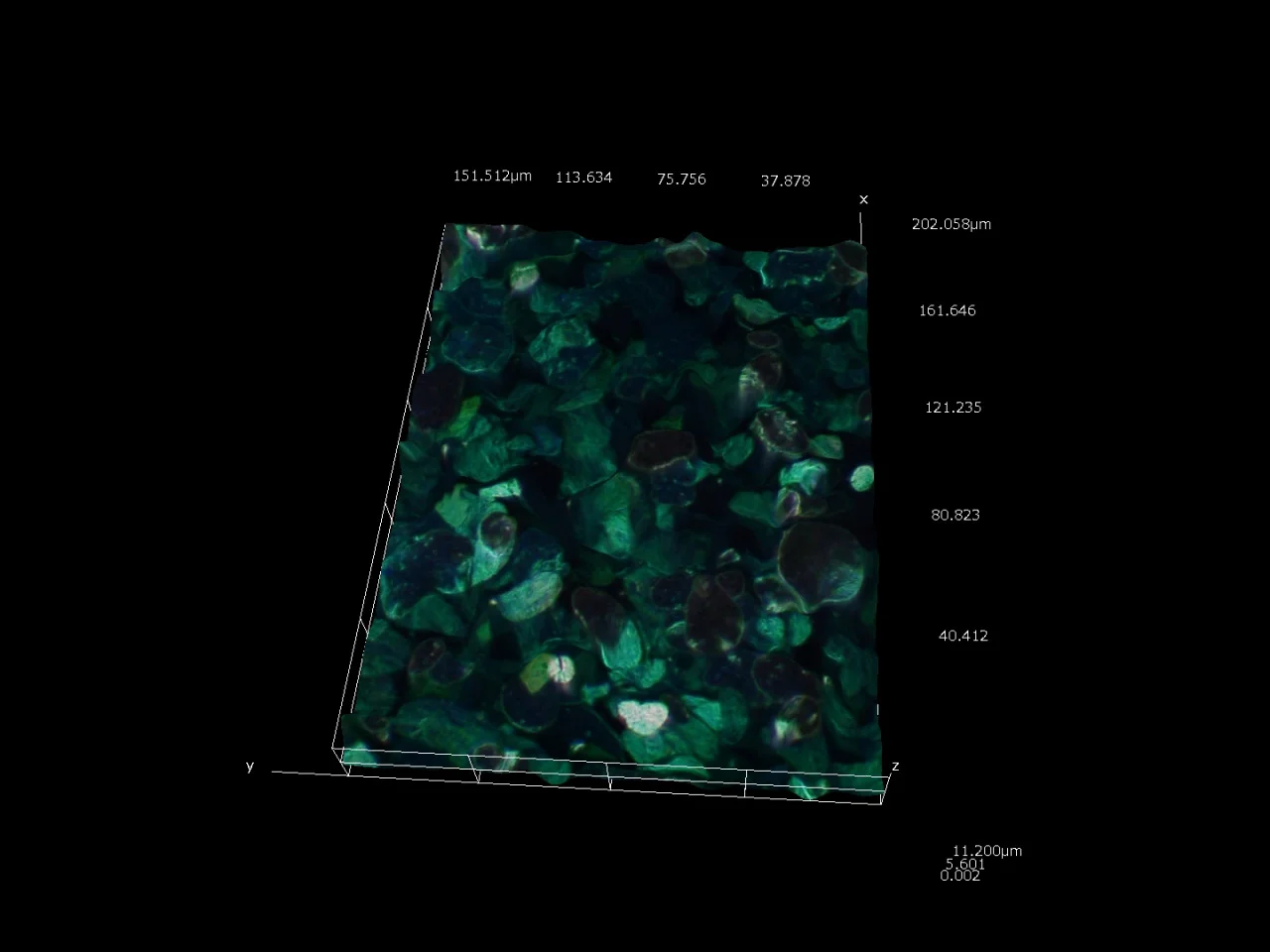
A look at what we are focusing through in the paint.
Here is what that looks like full scale!
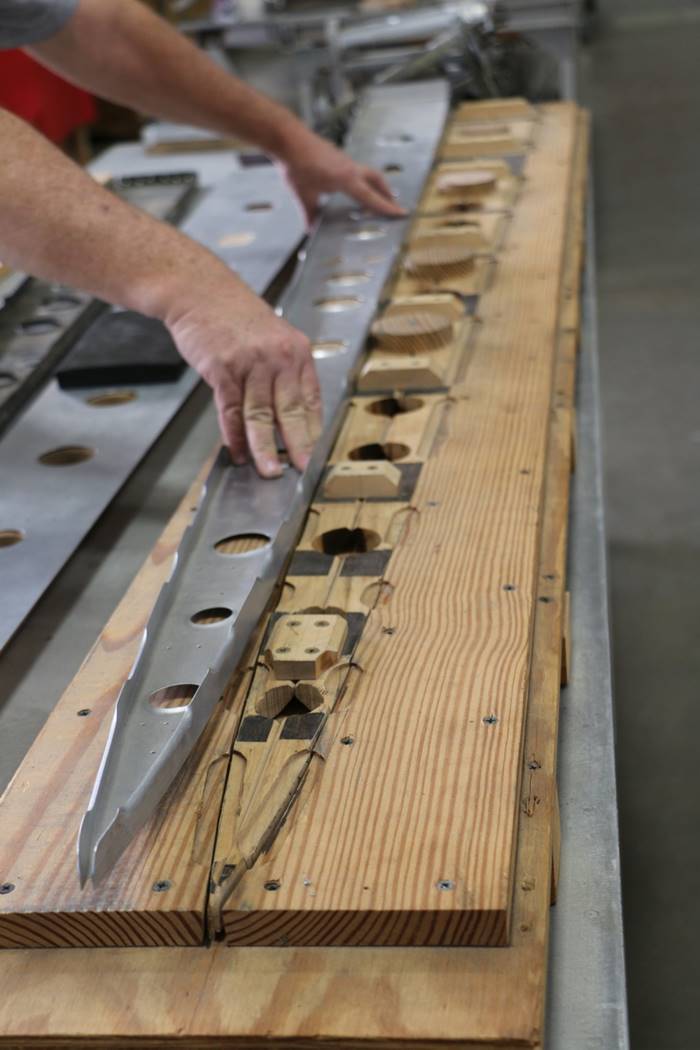
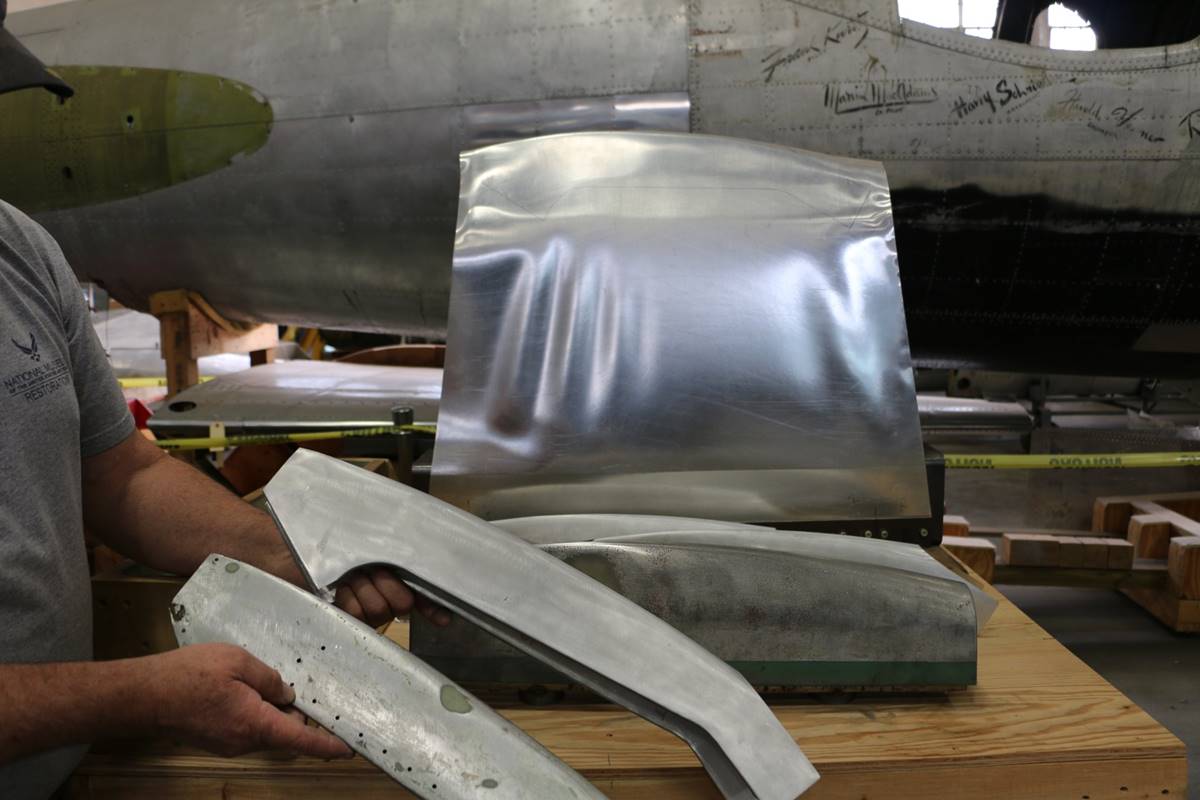
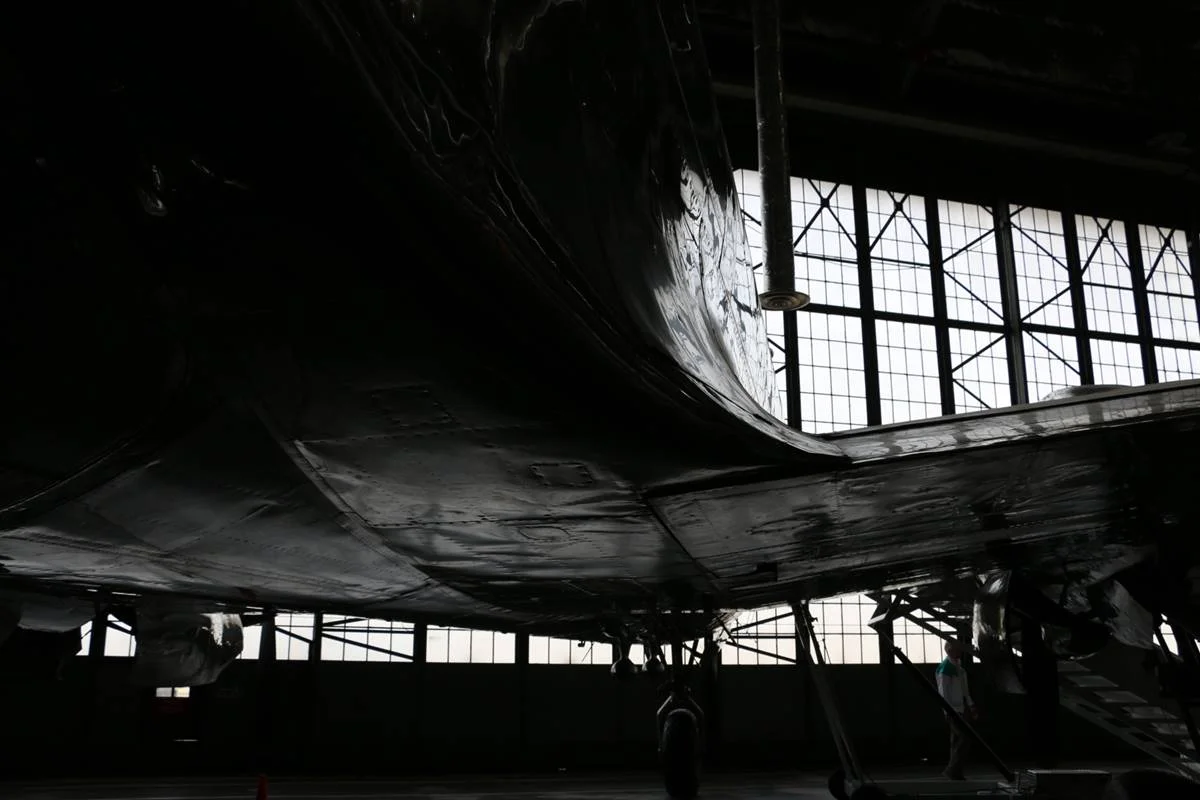
Add a behind the scene tour of the restoration facility at Air Force Museum in Dayton OH
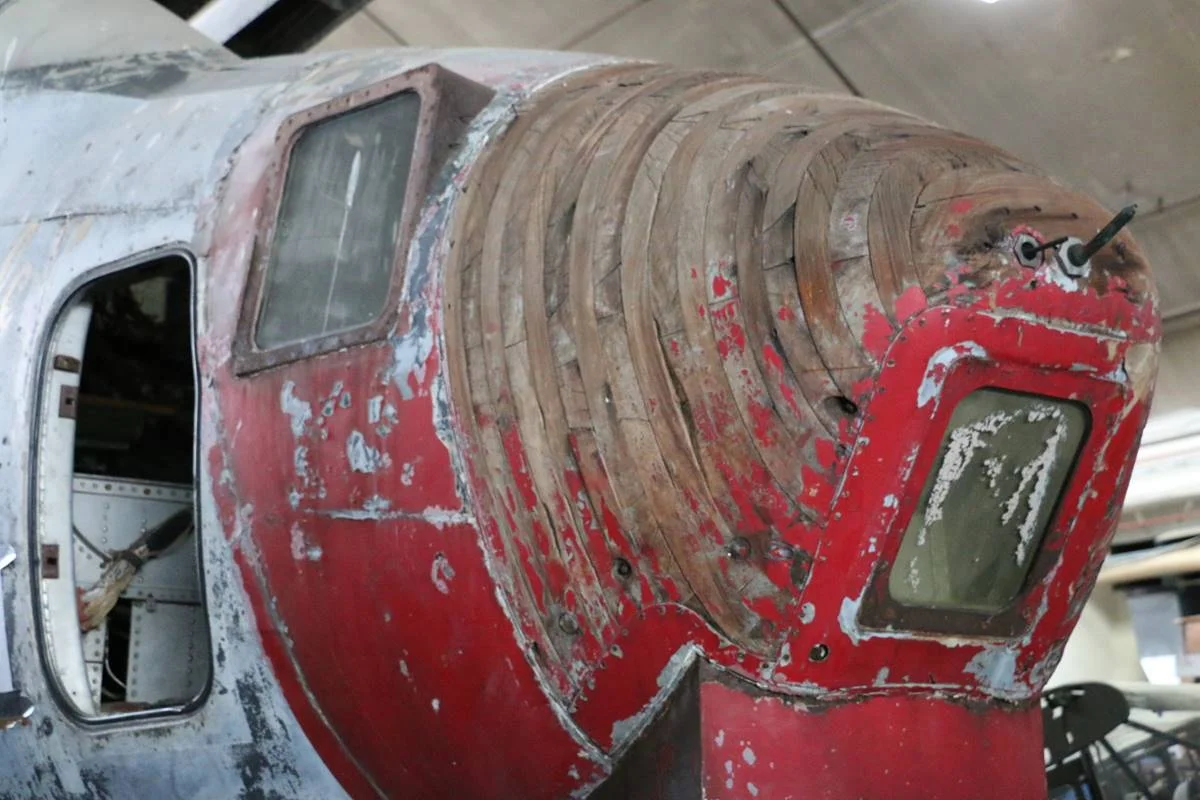
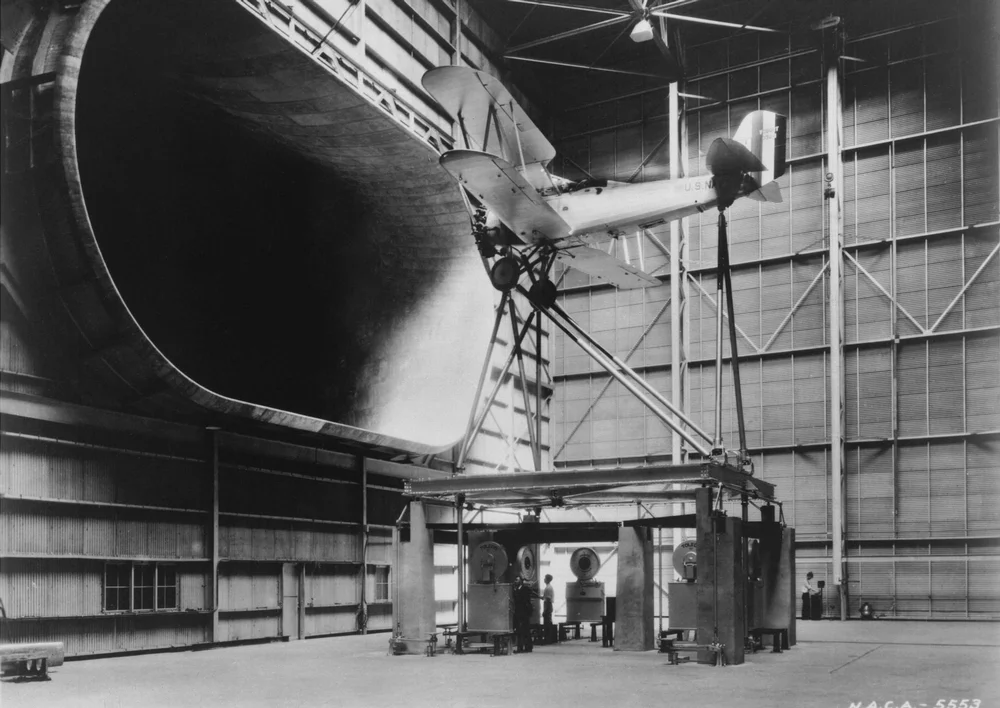
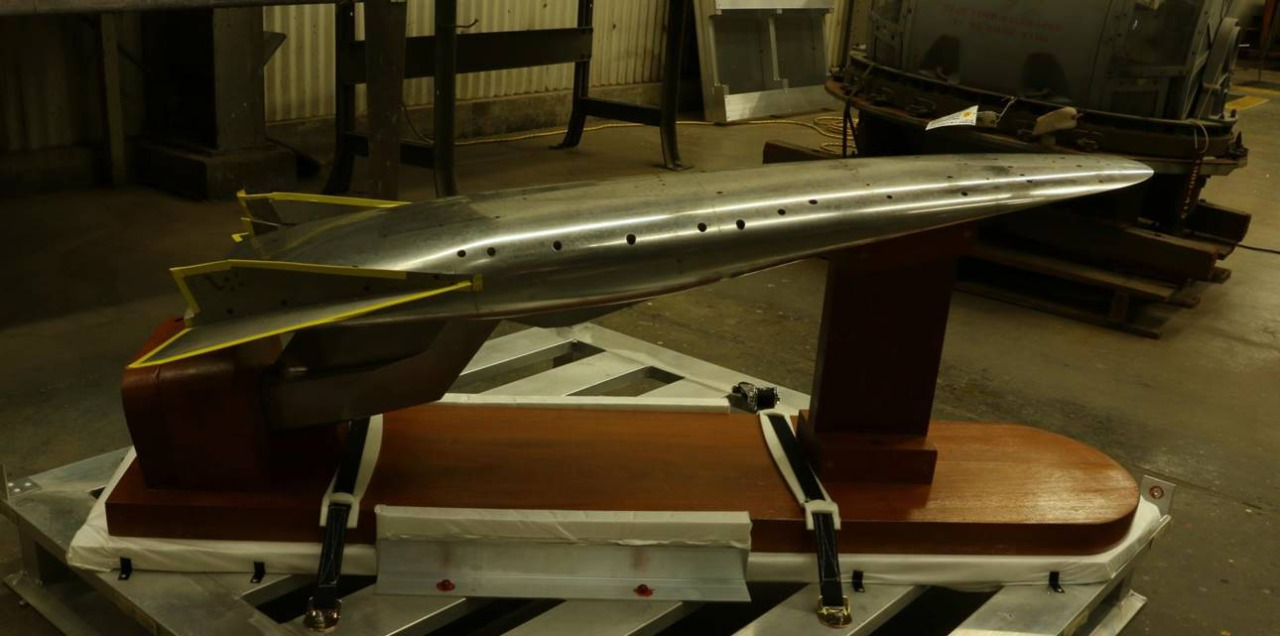
NACA/NASM Full Scale Wind Tunnel from SI website… You can see why models are a good idea
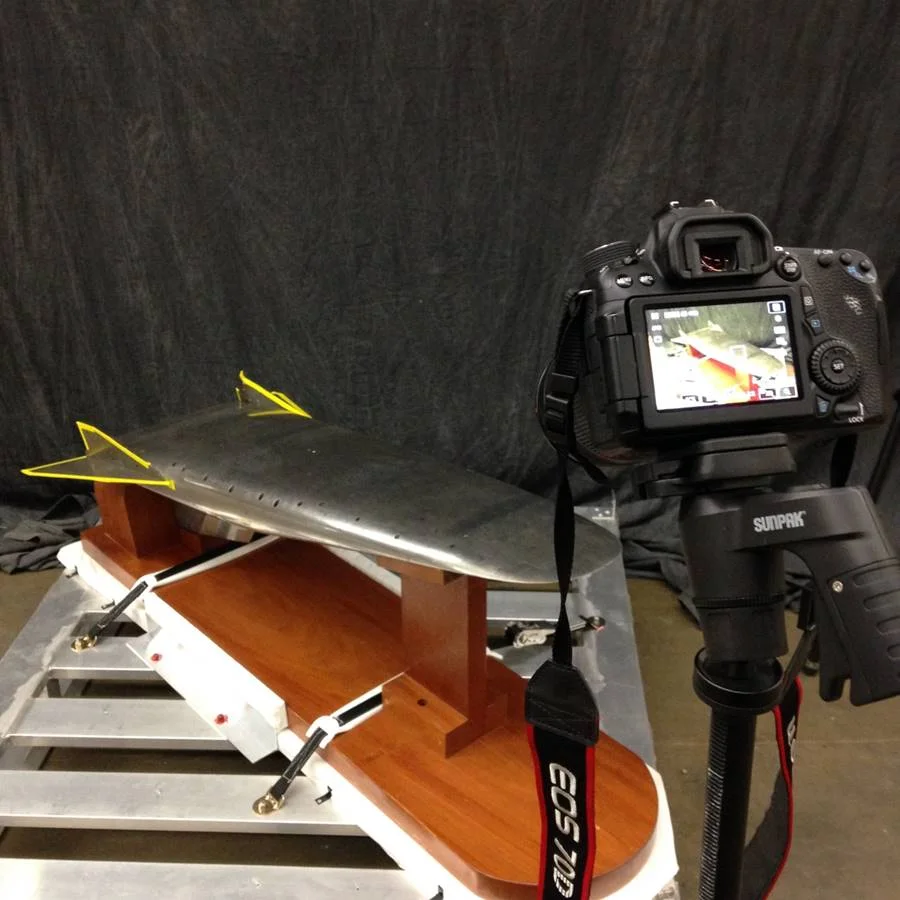
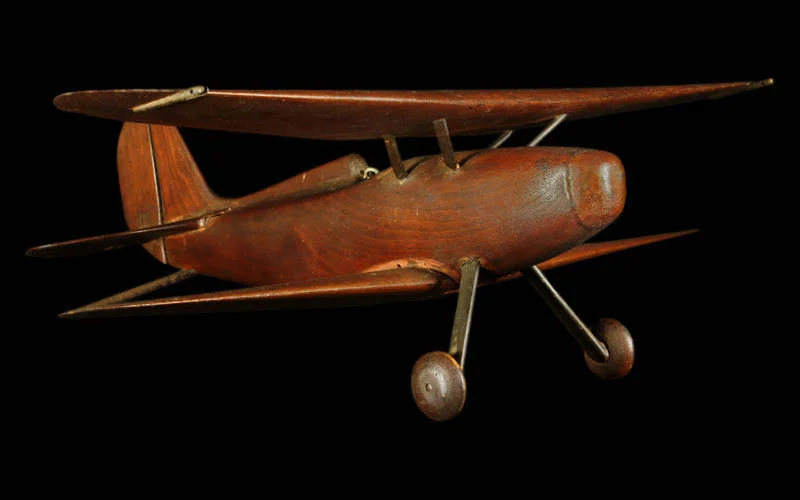
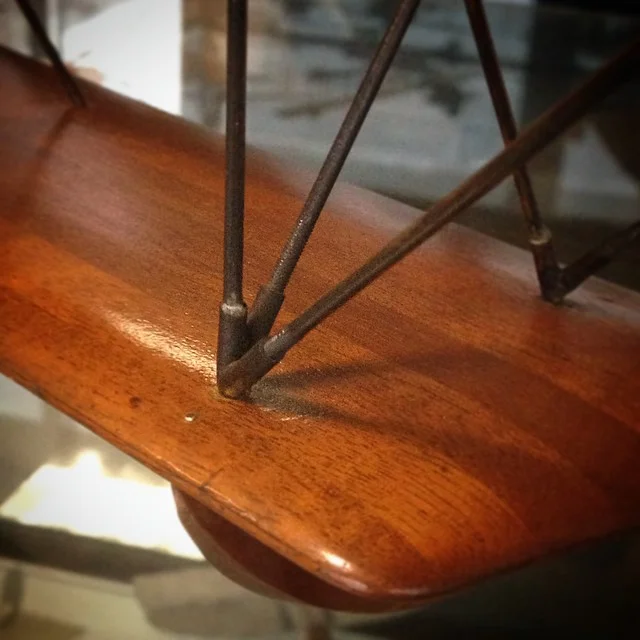
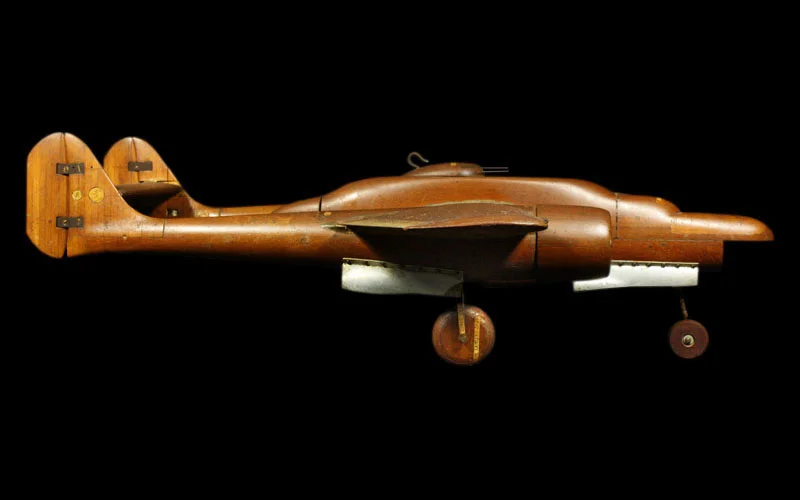
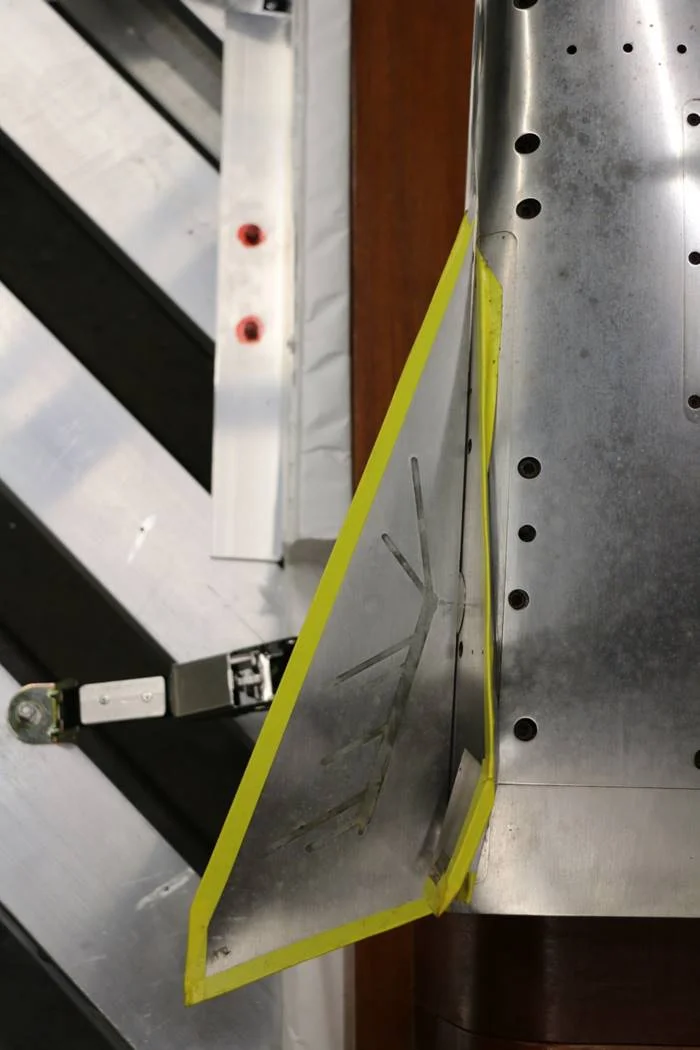
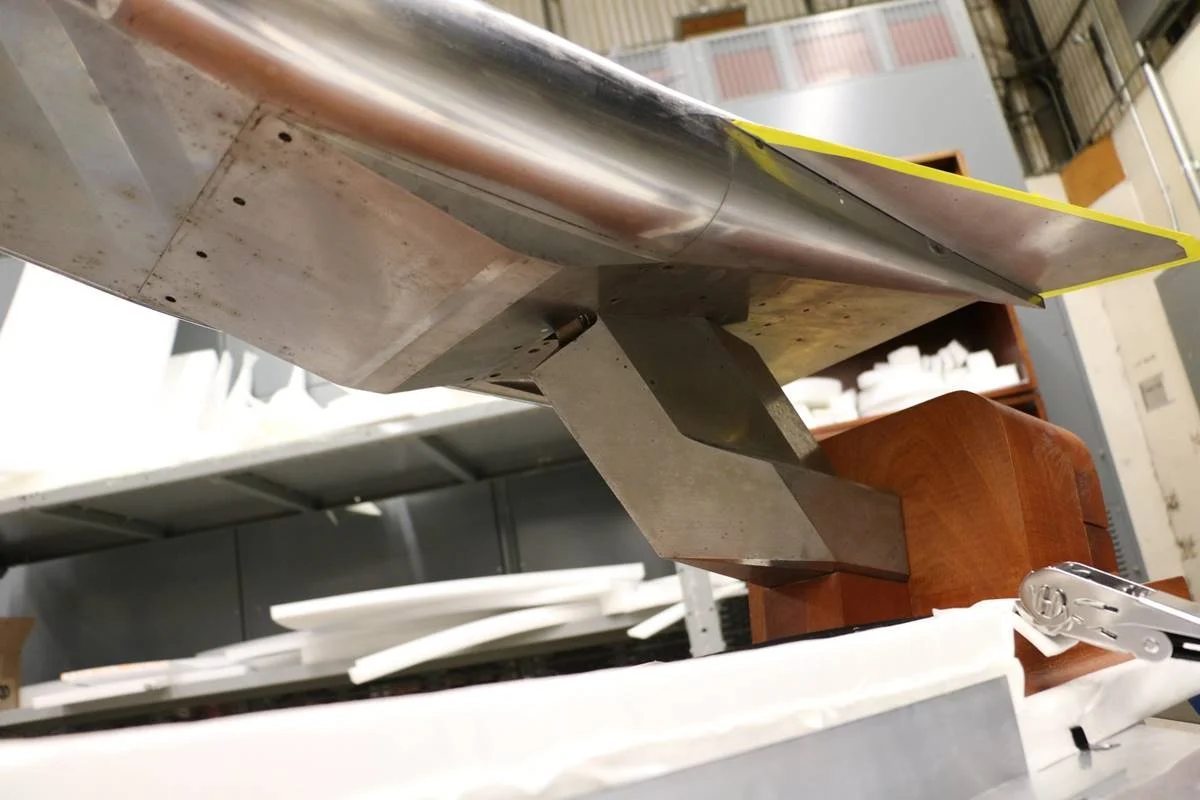
I honed into the wind tunnel models for a time. They are the ultimate remnants of our pursuit of speed and efficiency in flight. They have an extraordinary history of material and craftsmanship and live as beautiful objects in their own right.
Beautiful but highly functional. No surprise I am attracted to them!
I am in the middle of a project that is directly stemming from my tiem at Air and Space making a sculpture/bench for the front corner of a new hotel going into Arlington VA.
For some time now, I’ve drawn inspiration from the history and culture of cars. The Anchored Candy series is inspired by fashion and hotrods. They are benches that counterbalance bright automotive finishes and anthropomorphic sheet metal forms with raw blocks of steel. It is furniture simultaneously about desire and structure. Increasingly, and stemming from this work, I have been incorporating ideas of speed and motion in my designs. In pieces such as Streamline Bench, used in this presentation as the example of construction, I am specifically looking at the streamline design movement in the 1930s, which lead to the new twist on this series of work.
During the two months as a Smithsonian Artist Research Fellow at the National Air and Space (NASM) I was researching the design history of American aeronautics, with special reference to the technical and cultural notions that have influenced the changing appearance of airplanes and the concept of speed over time. The research stemmed from my interest in streamline design, Art Deco, and the modern “machine age” aesthetic in industrial design.
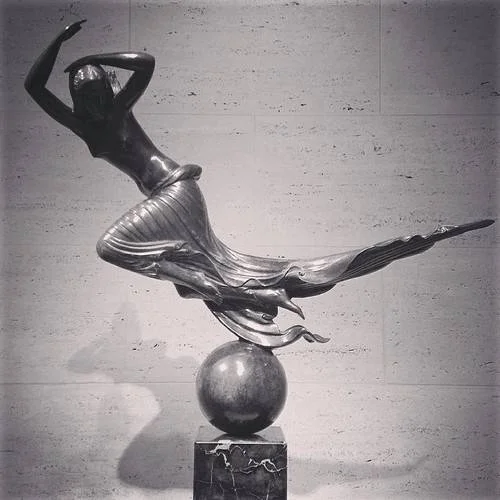
Through the trophy designs that represented achievement in the golden age of flight I started to think speed and tension represented in the motion of sculptural drapery. I had the opportunity to also use the National Gallery’s collection to study sculptors such as Paul Manship that worked in the Art Deco and streamline design periods. This drapery as physical manifestation of motion also lands directly in between the fashion and hotrod associations in my previous, and in this, work. As it was jokingly stated in the design meetings, “it’s all about fashion and commuting!”

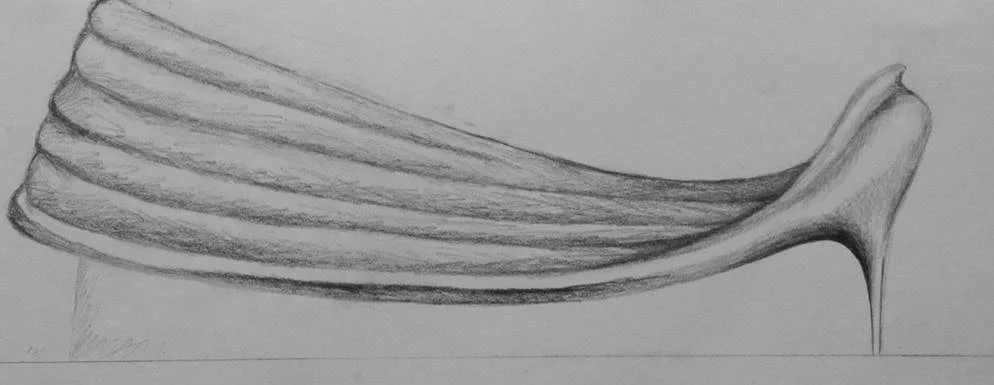

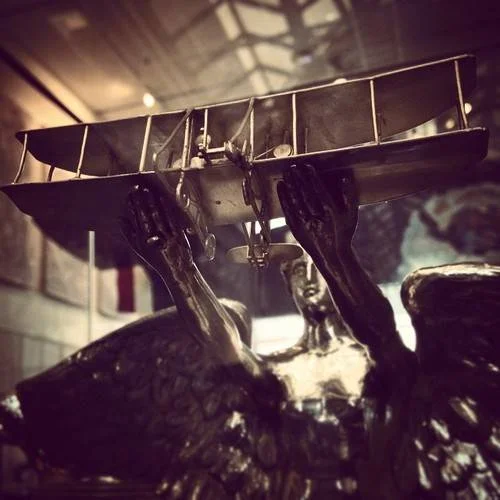
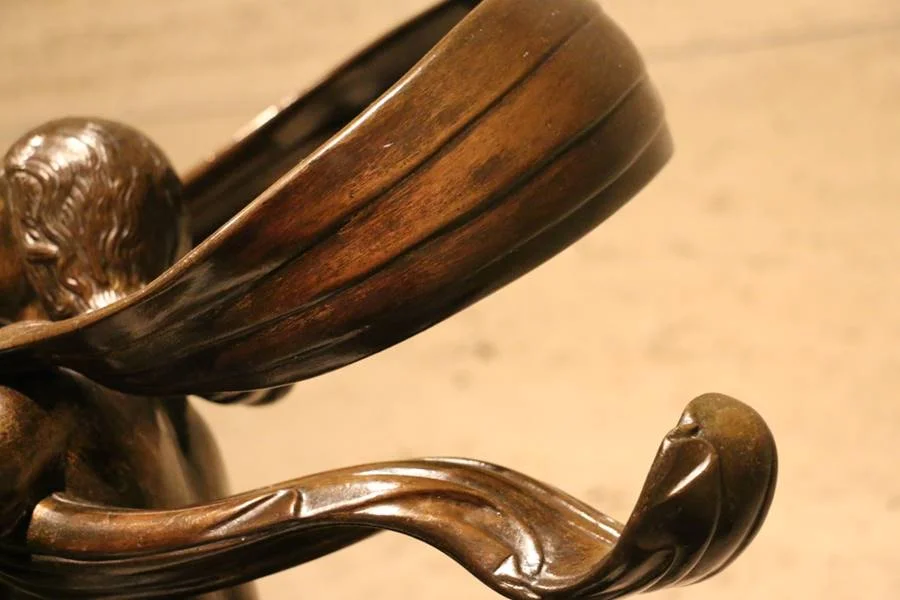
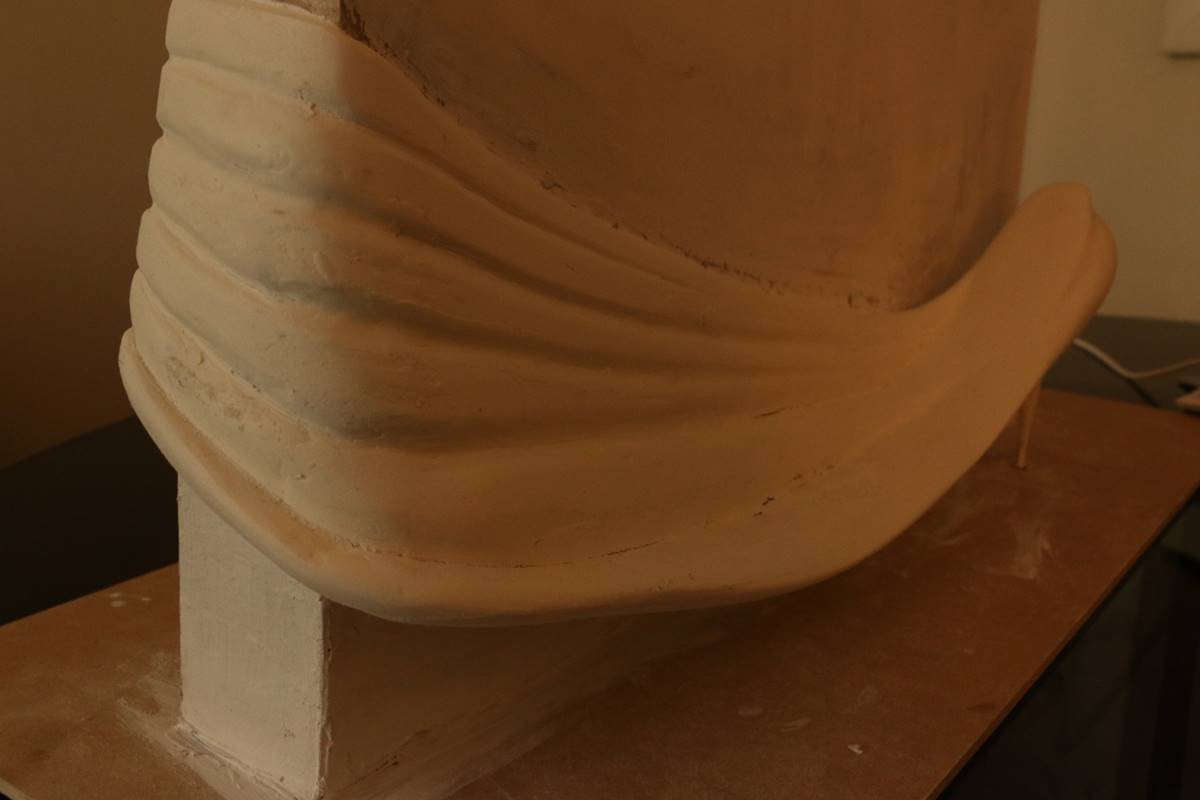
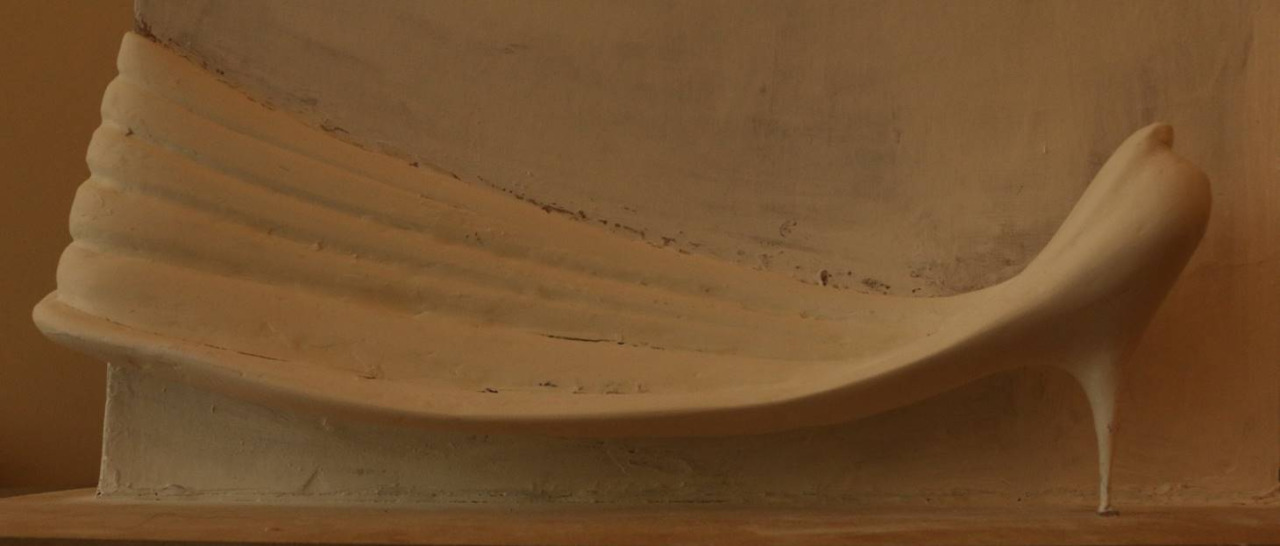
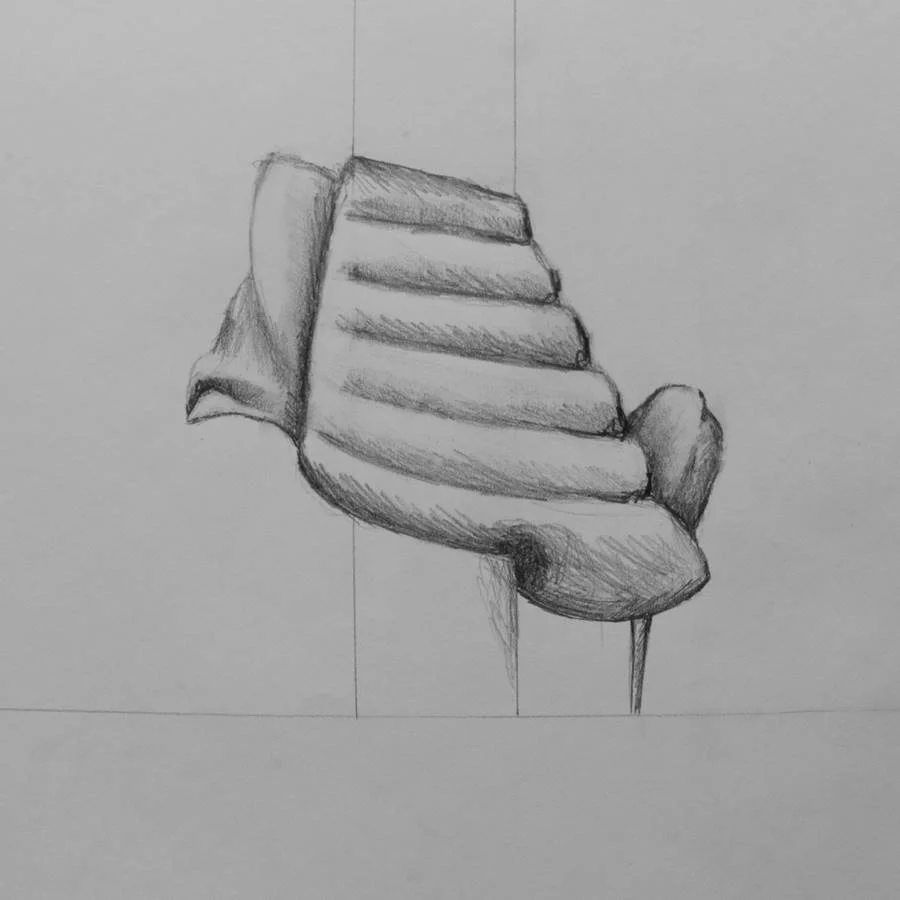
I will never think of how I build my forms in the same way again. getting a chance to study the development of aeronautical engineering, through schematics and repair manuals, has altered my sense of structure.
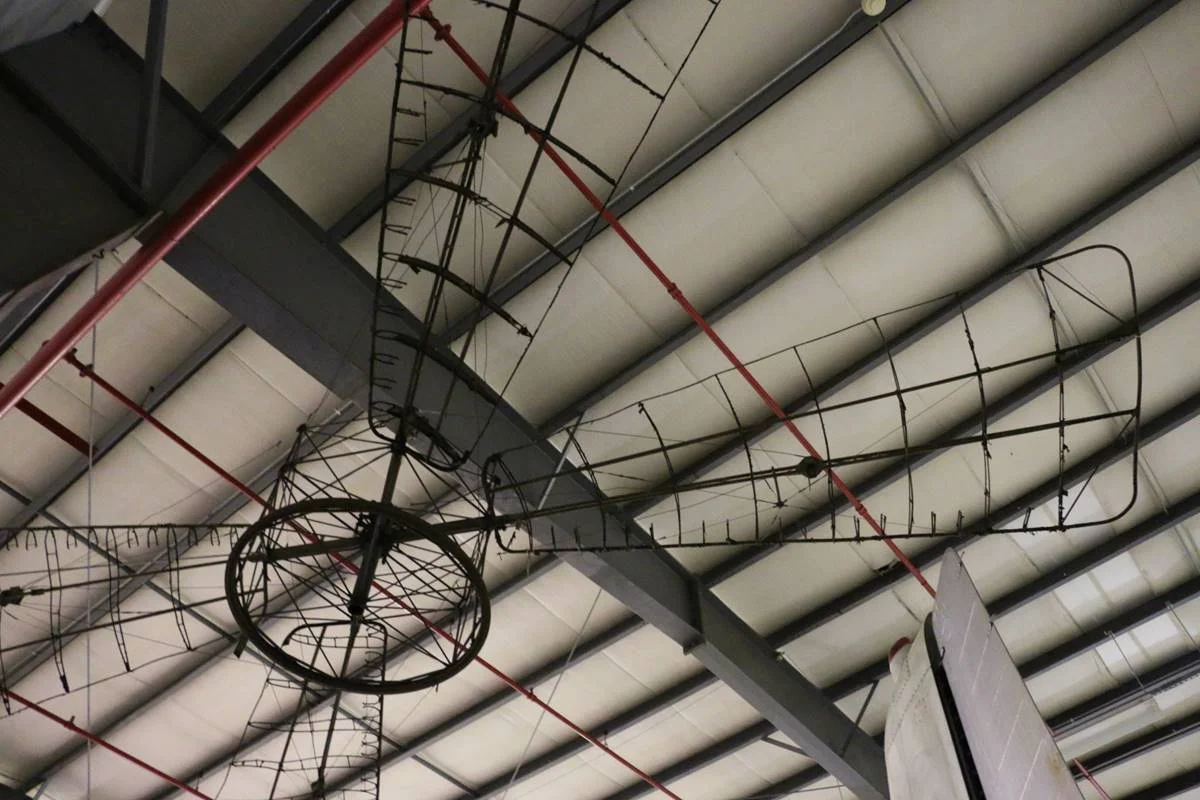
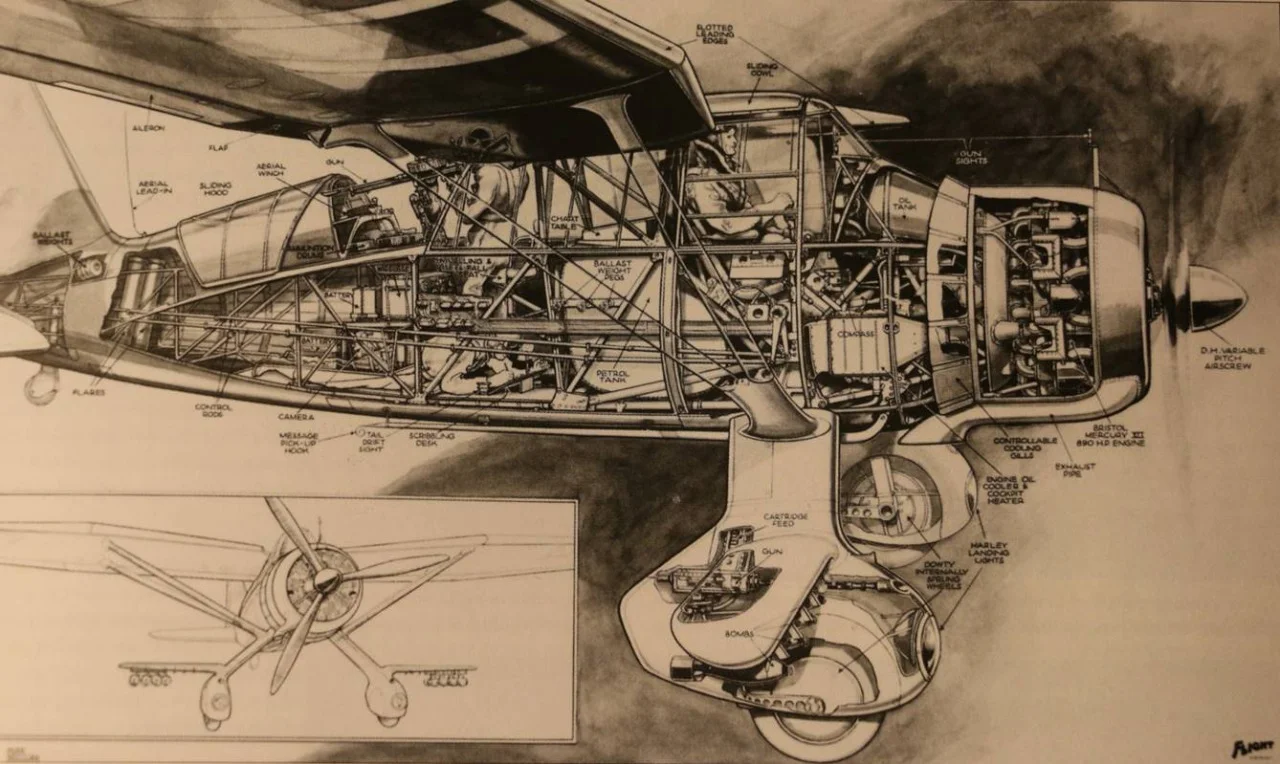
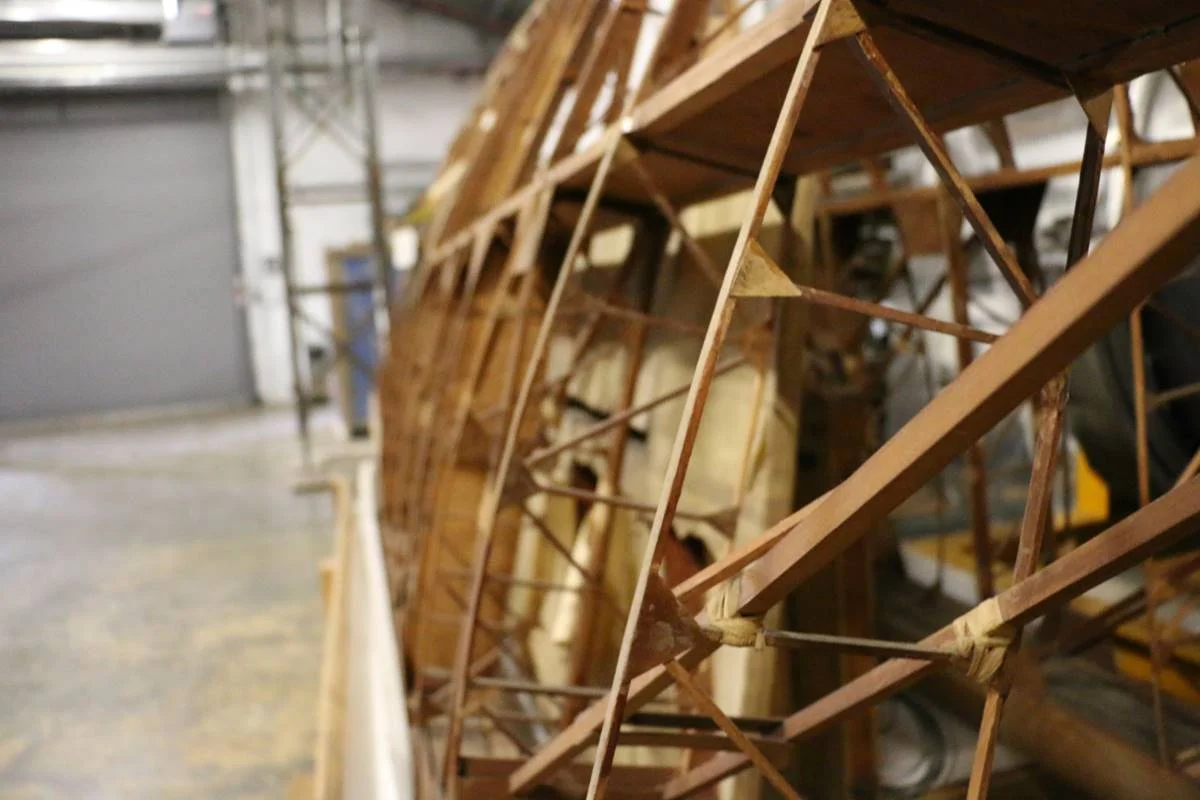
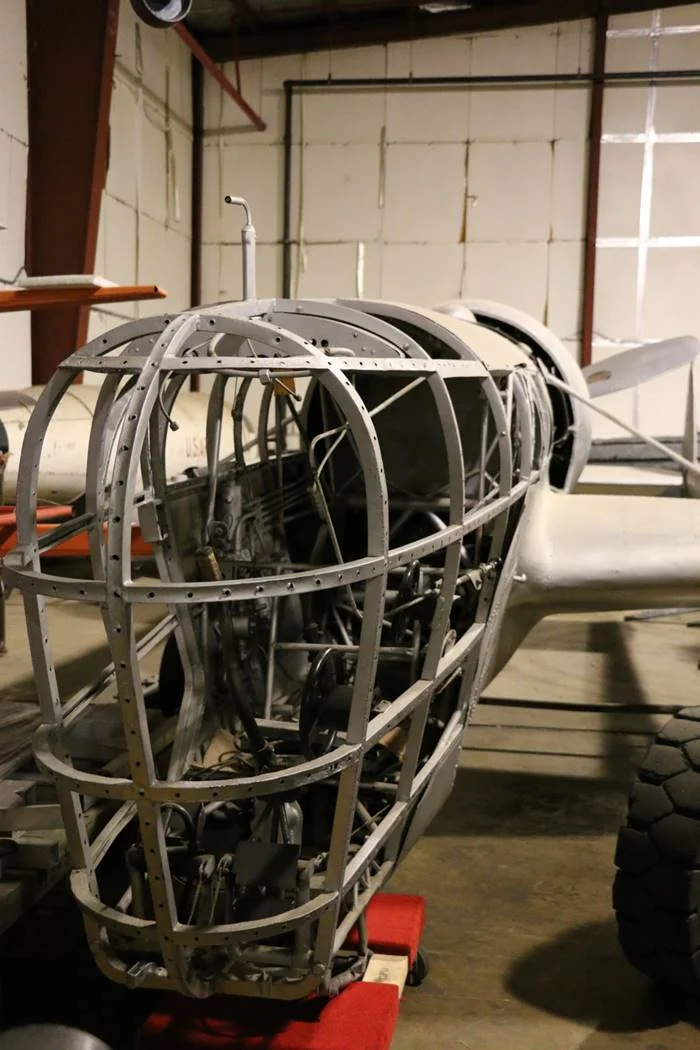
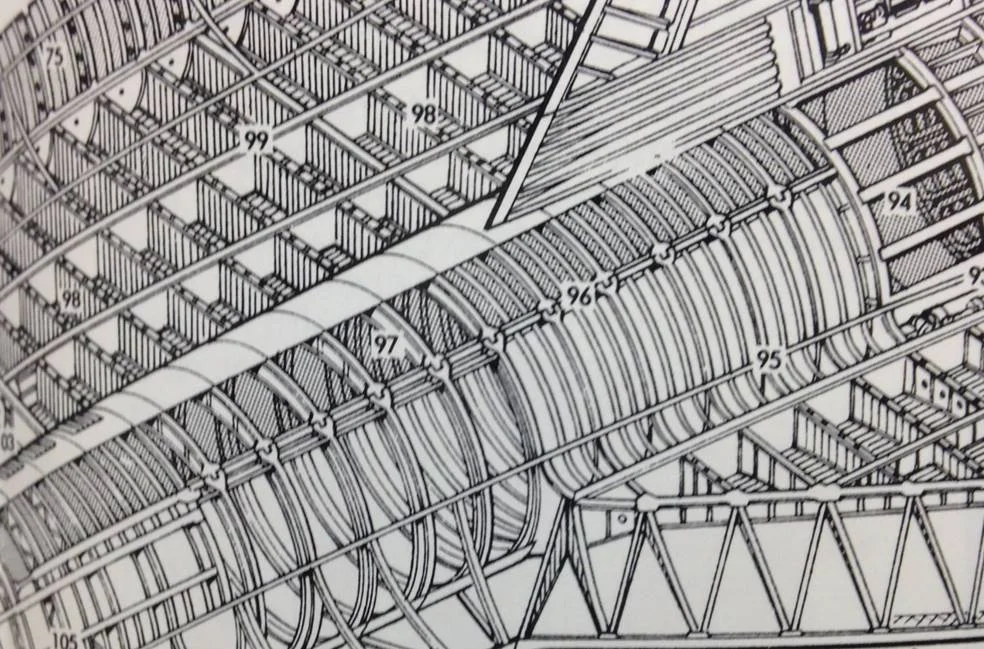
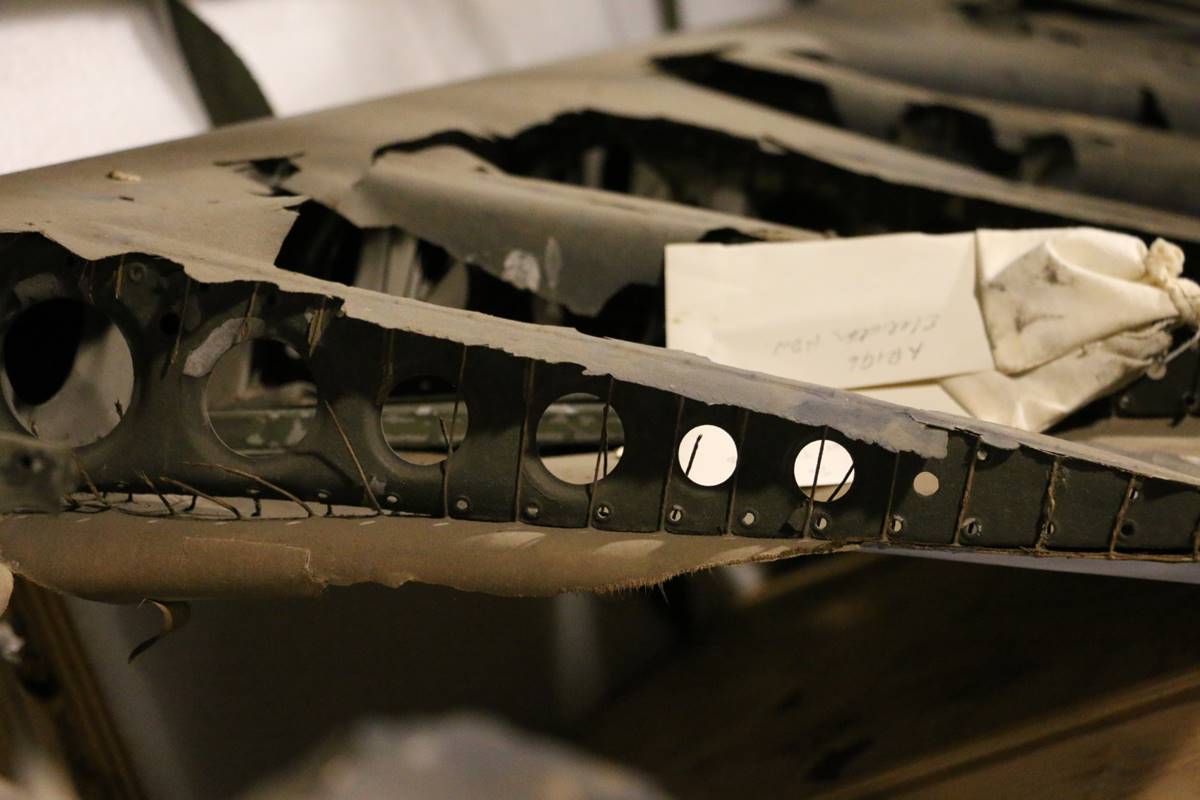
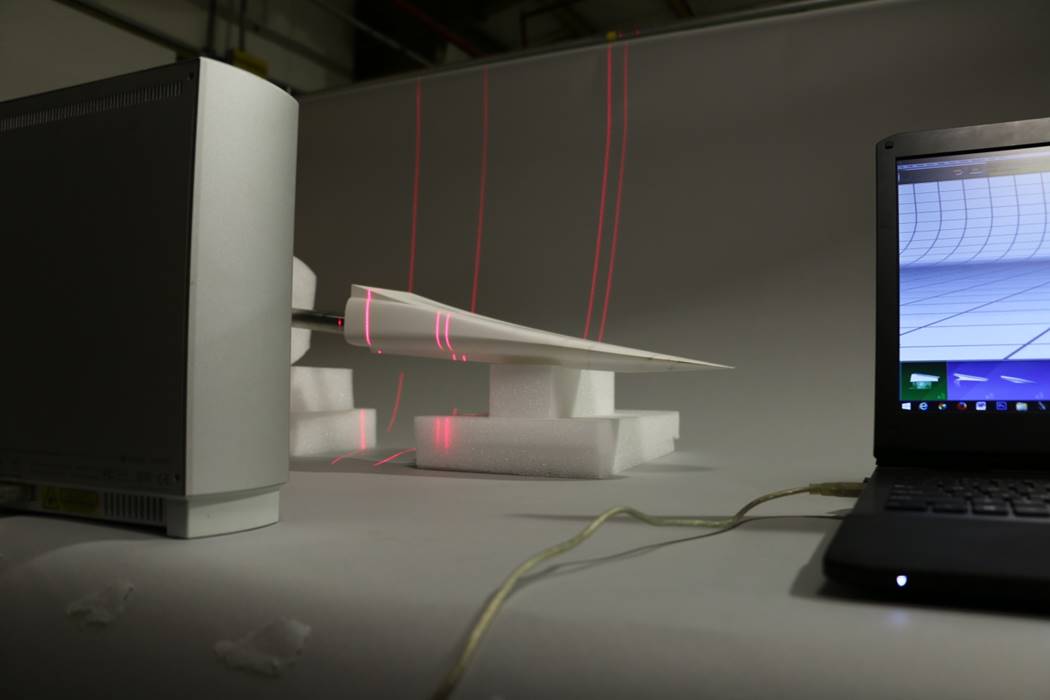
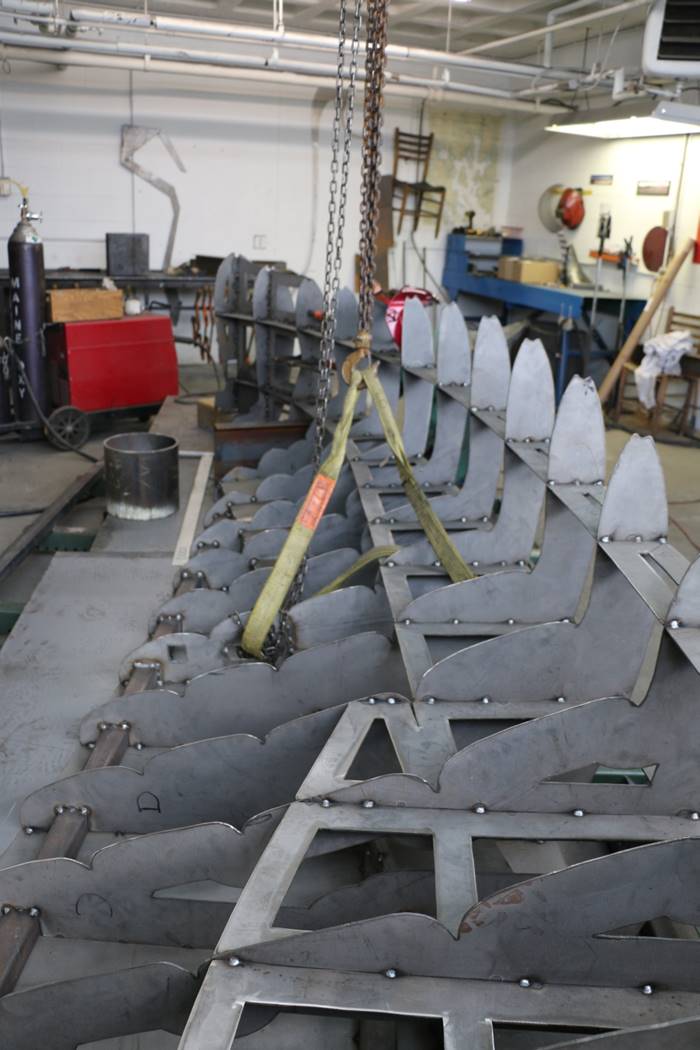
This is the first piece where I was really affected by my Smithsonian study. Not in the aesthetic of the design but in the structure. This serpentine chaise lounge is built much like an airplane wing, with a center spar and cells of substructure that a skin is attached to. In this case it is welded rather than riveted, but still there are similarities. To make the design I form a scale model 3-d scan it and then alter and re-draw it in cad. I am able to go in and out of cad space. Cutting full scale models as many times as necessary to get the look and sit just right. In this case it took three.
Here is the design of the substructure and a peek at the final design of the “skin.”
It is called “Dressed up and Pinned”
The name is both a literal description of the motion and a playful reference to fashion, femininity, the pin-up and functional things whose real job is to make us feel attractive, glamorous and powerful.
The goal with this piece is to make something visually stunning, durable, and comfortable. Although the functional seating section will only be a fourth of the overall size, by physically interacting with Dressed up and Pinned guests and community members will have a reason to be a part of its overall beauty and glamor…leading to many selfies on vacation as well as locals saying, “I’ll meet you at the blue heel” or some such nickname that will come to dominate this corner of Wilson Boulevard.
Working away
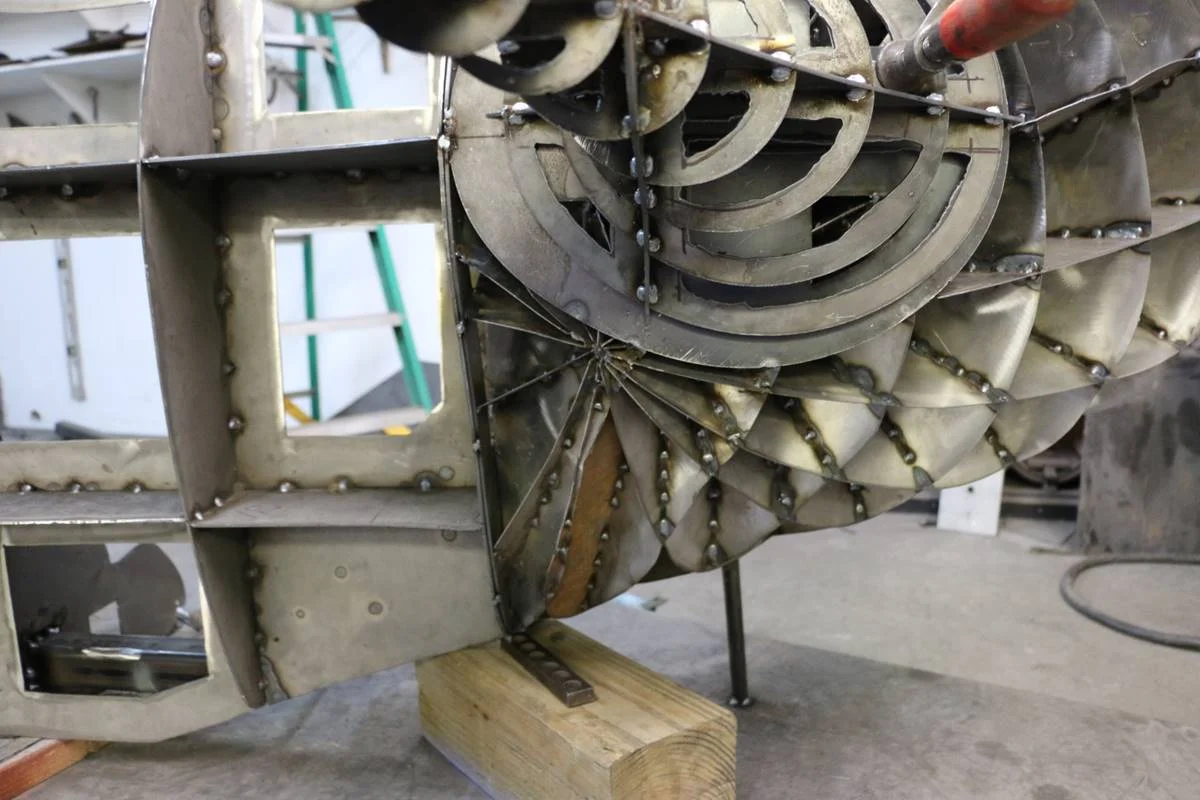
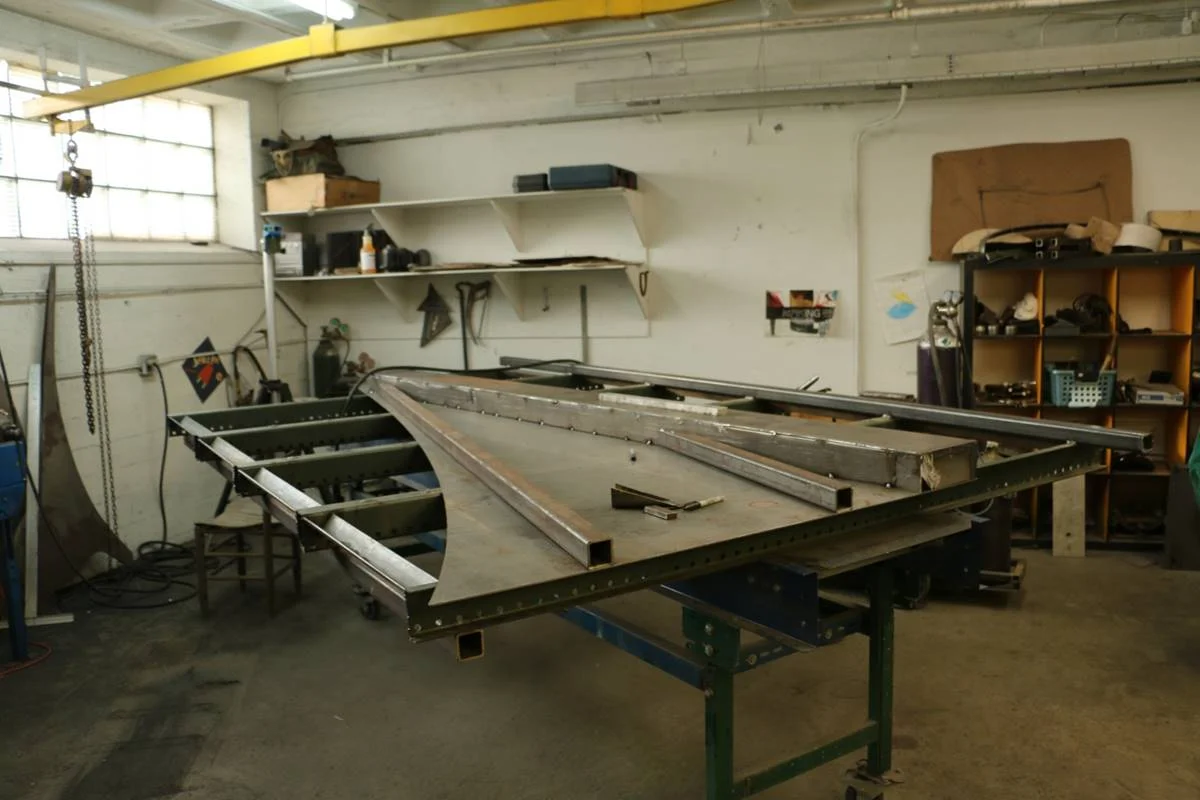
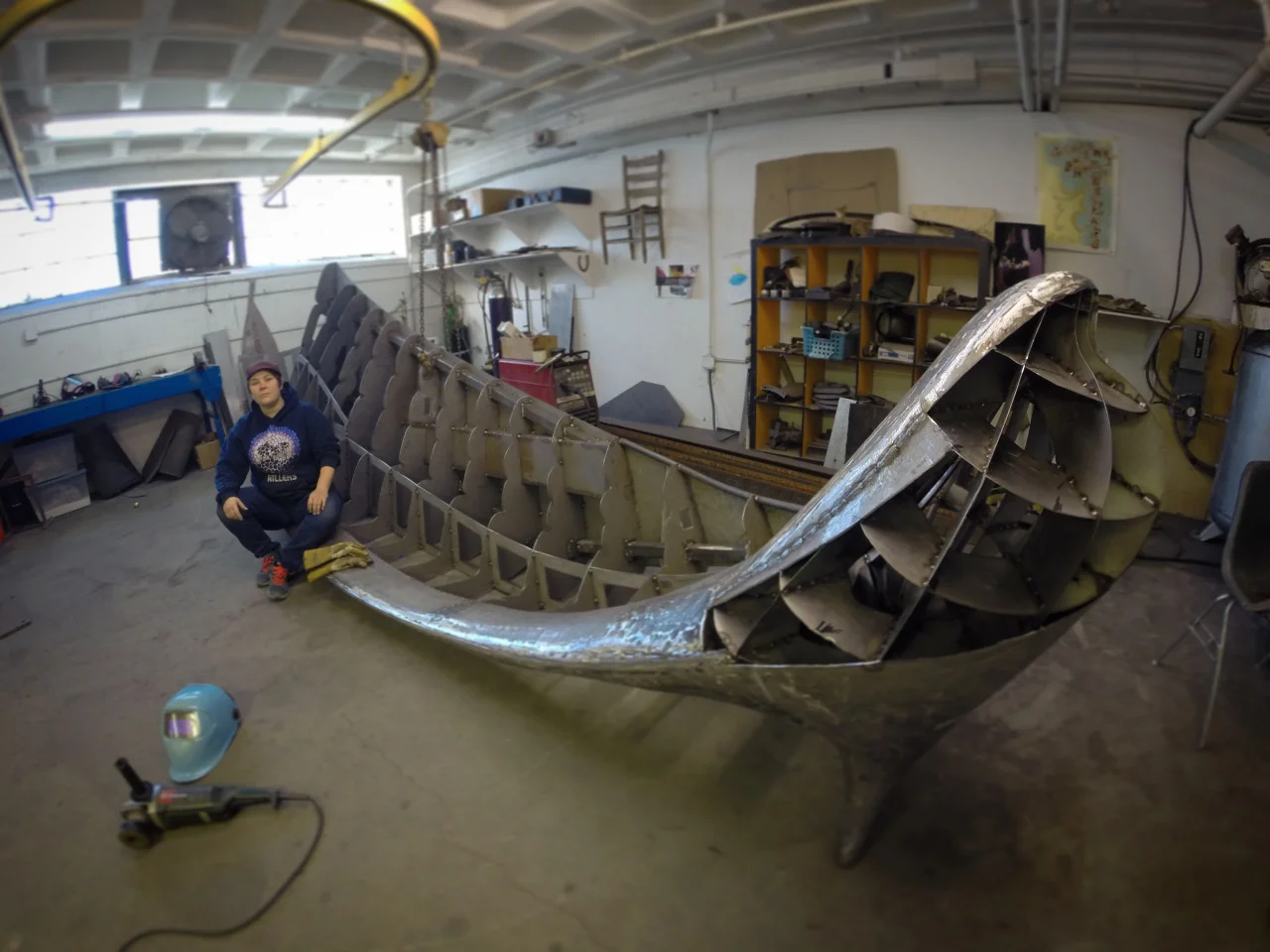
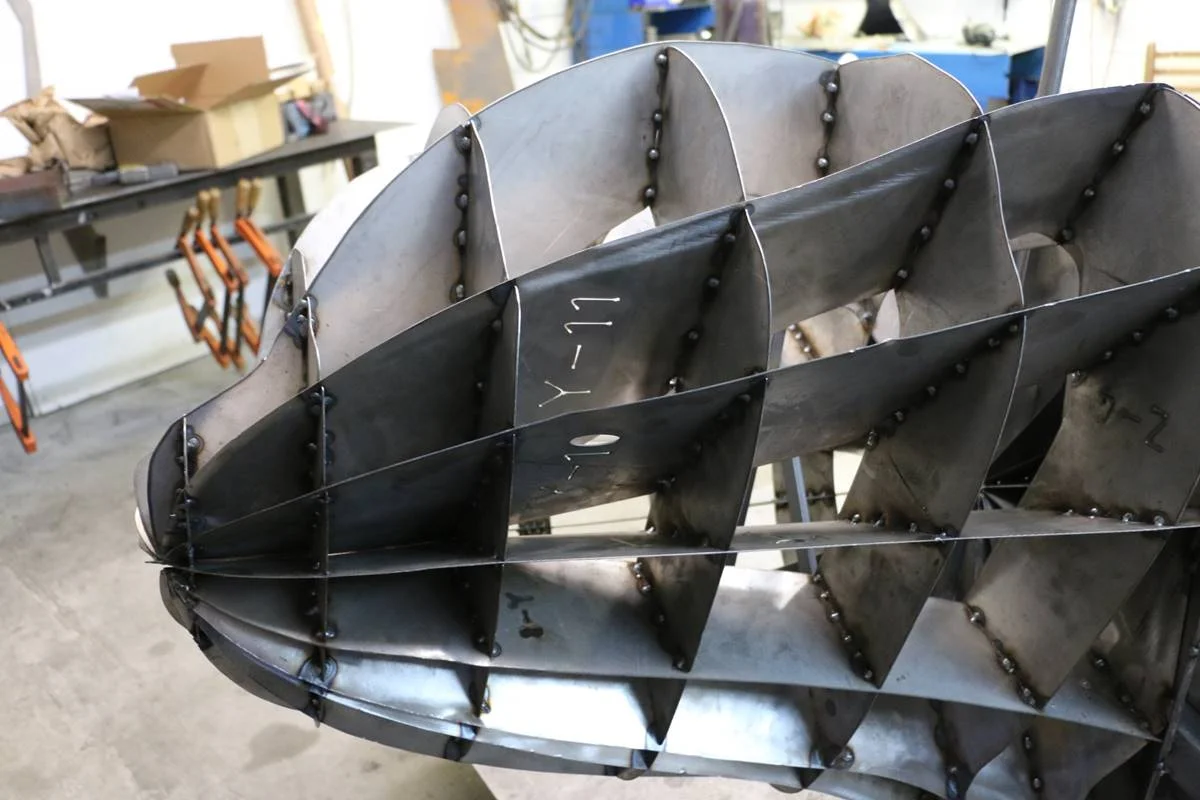
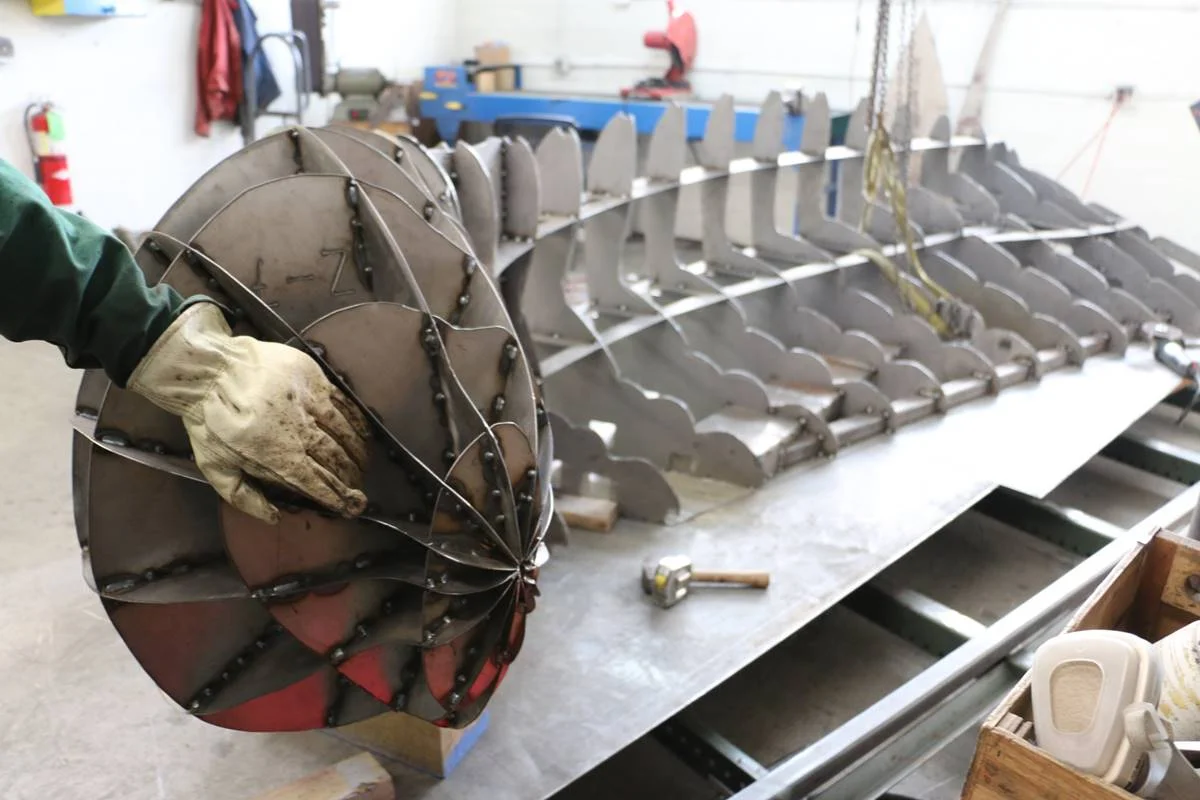
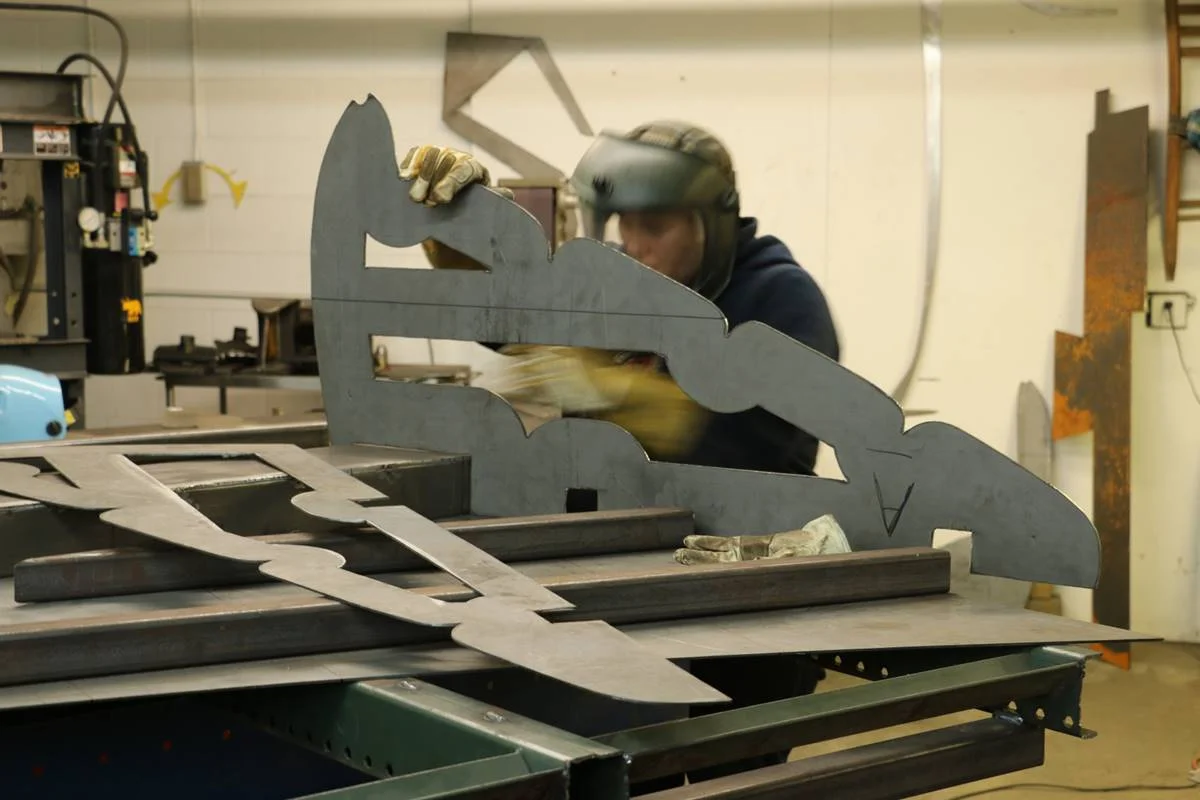
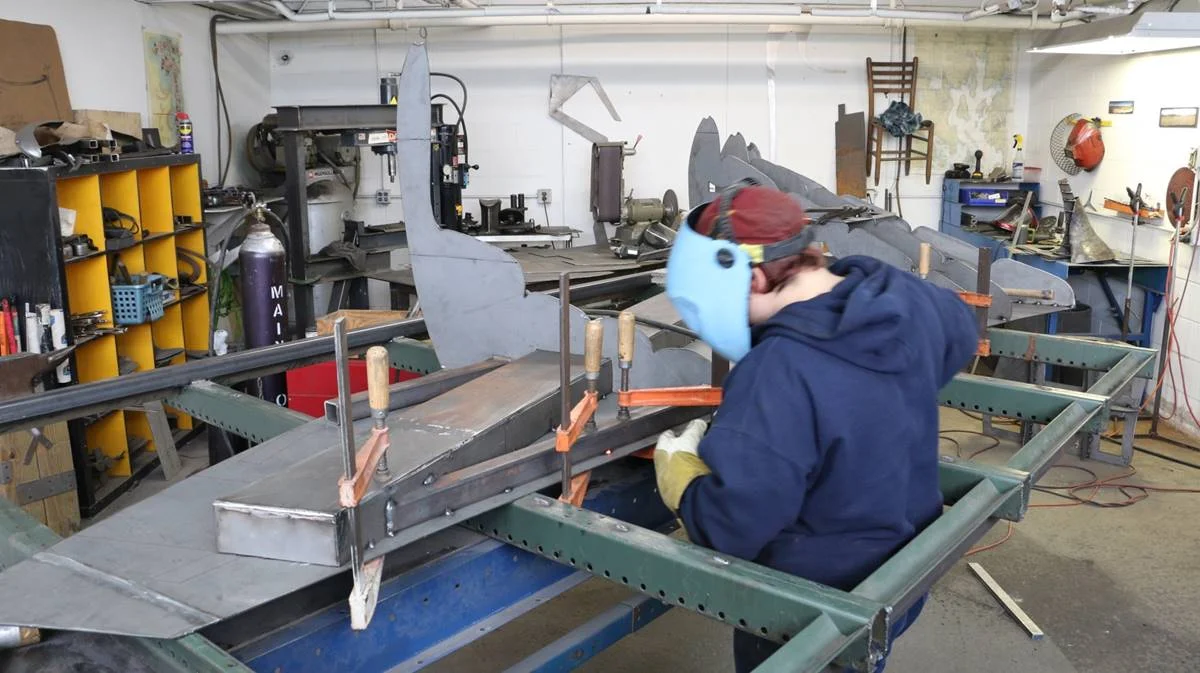
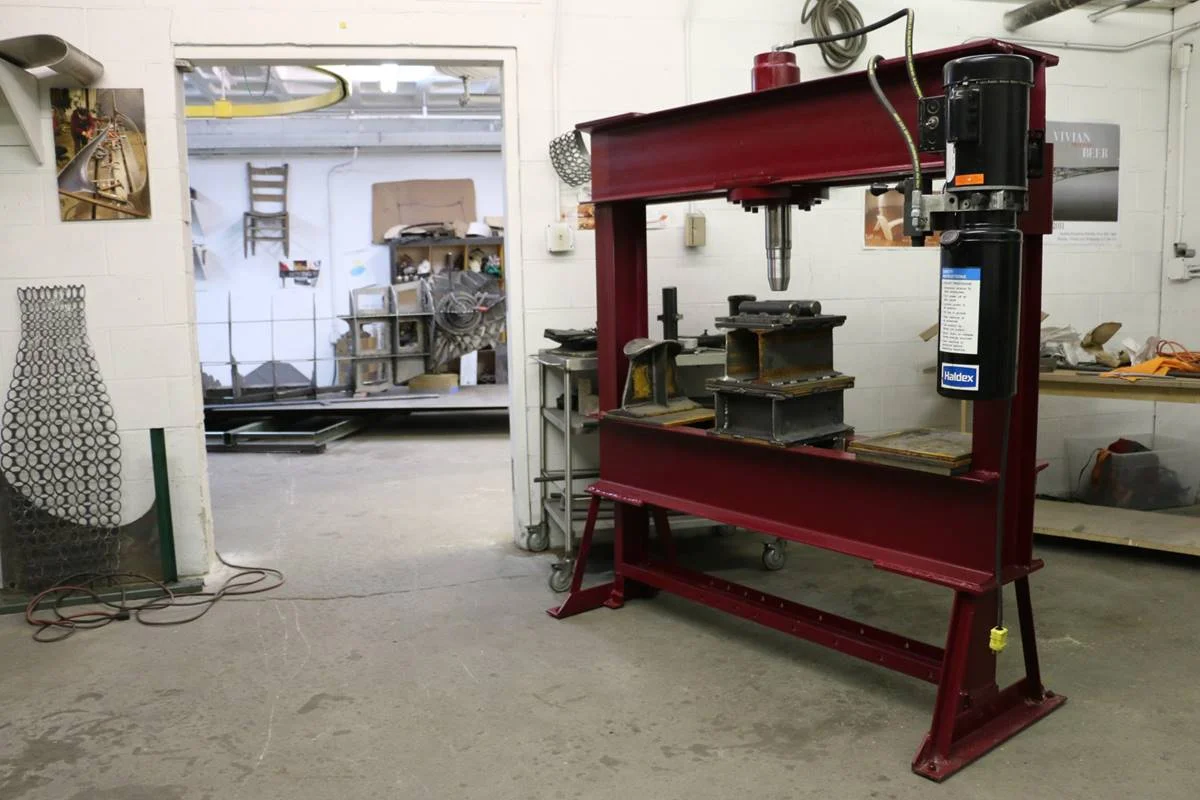
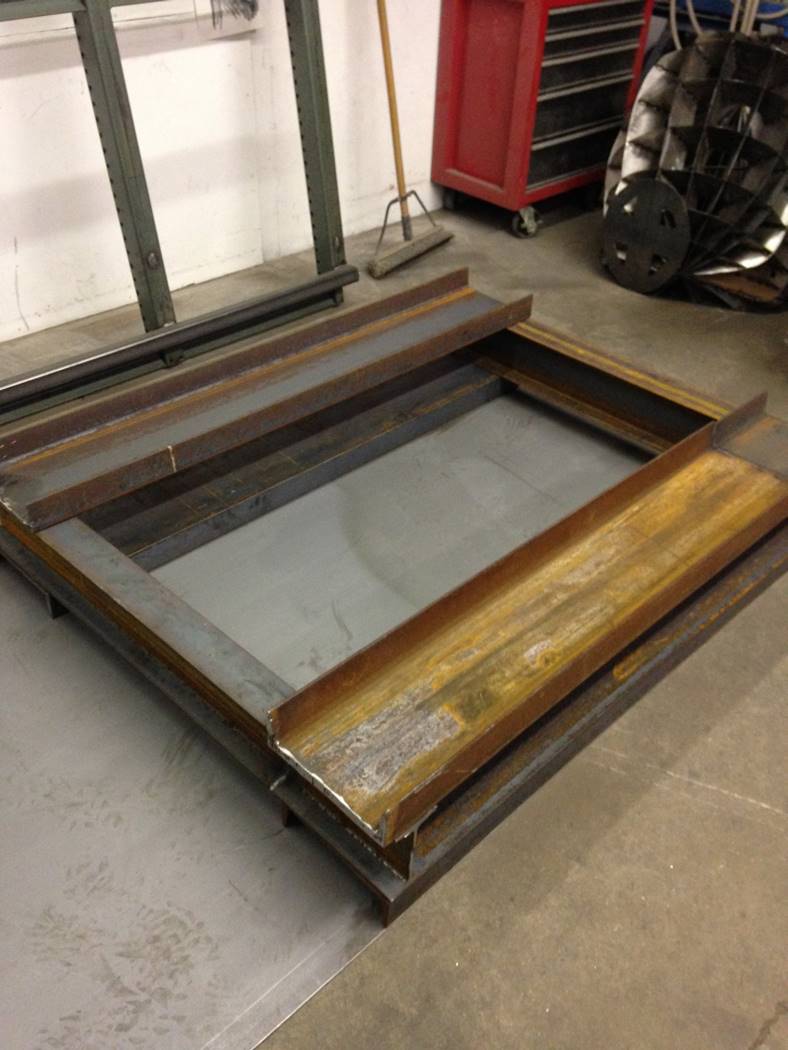
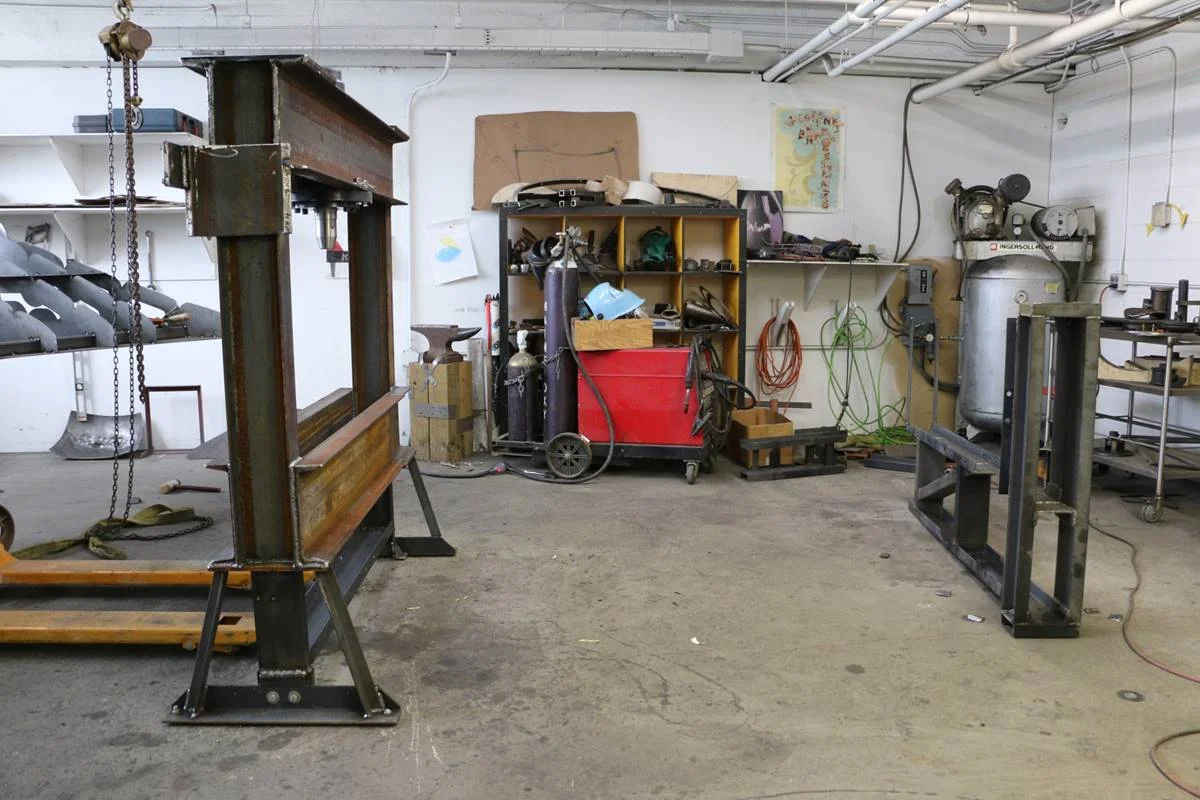
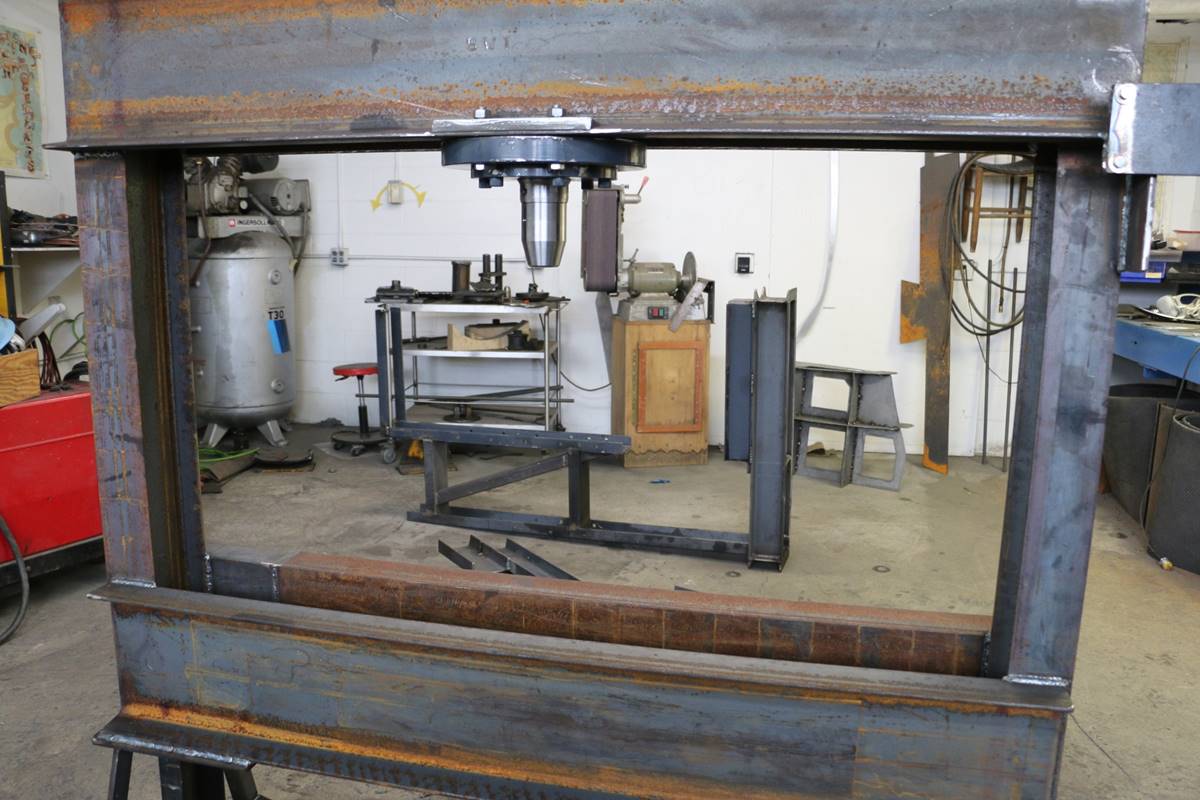
I made a new Hydraulic Press for this project as the panels were to large for the old set up. This project is really pushing scale and tooling here at the shop.
I’m off to another adventure, this one more public that most! I have joined a group of designers to compete on Ellen DeGeneres, Ellen’s Design Challenge on HGTV.
http://www.hgtv.com/shows/ellens-design-challenge
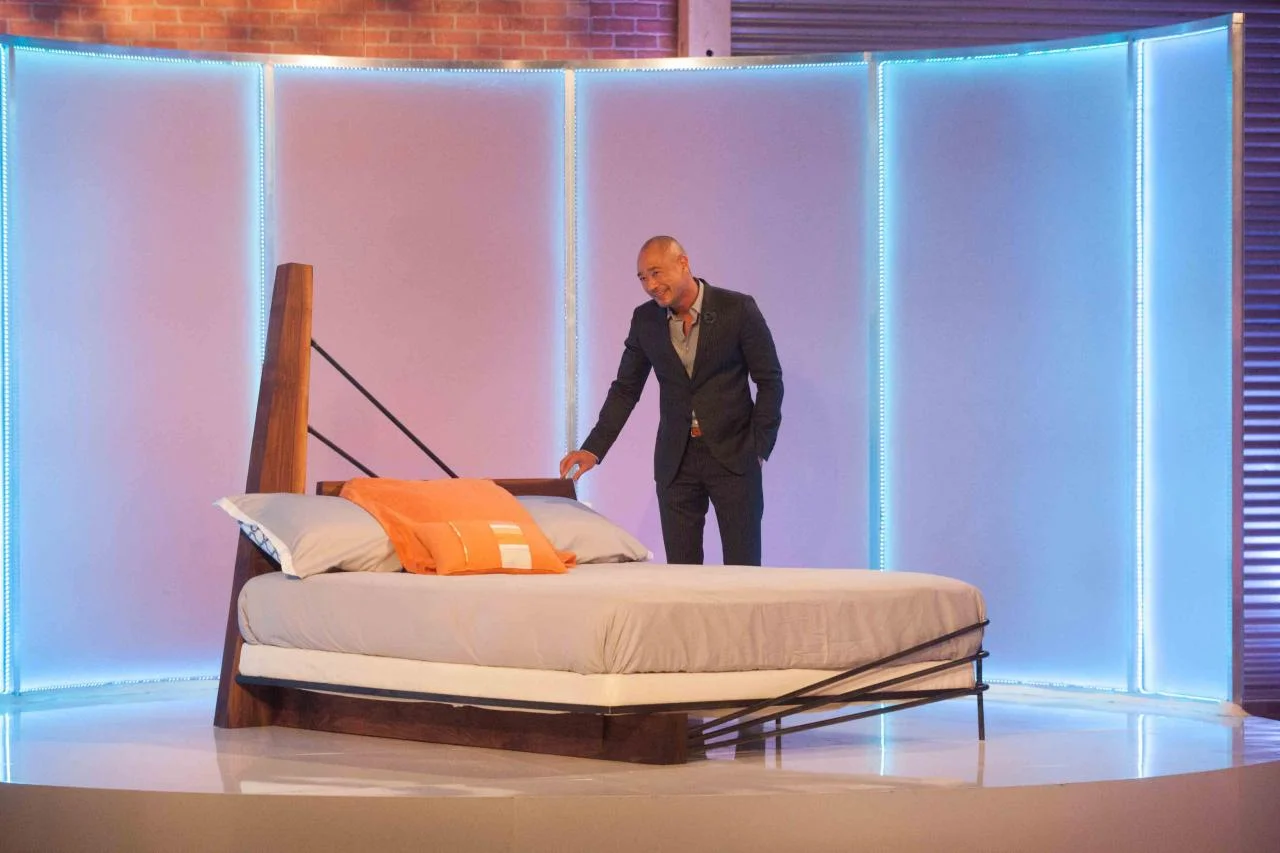
For the second episode of Ellen’s Design Challenge, Dream Big, we had to make a bed.
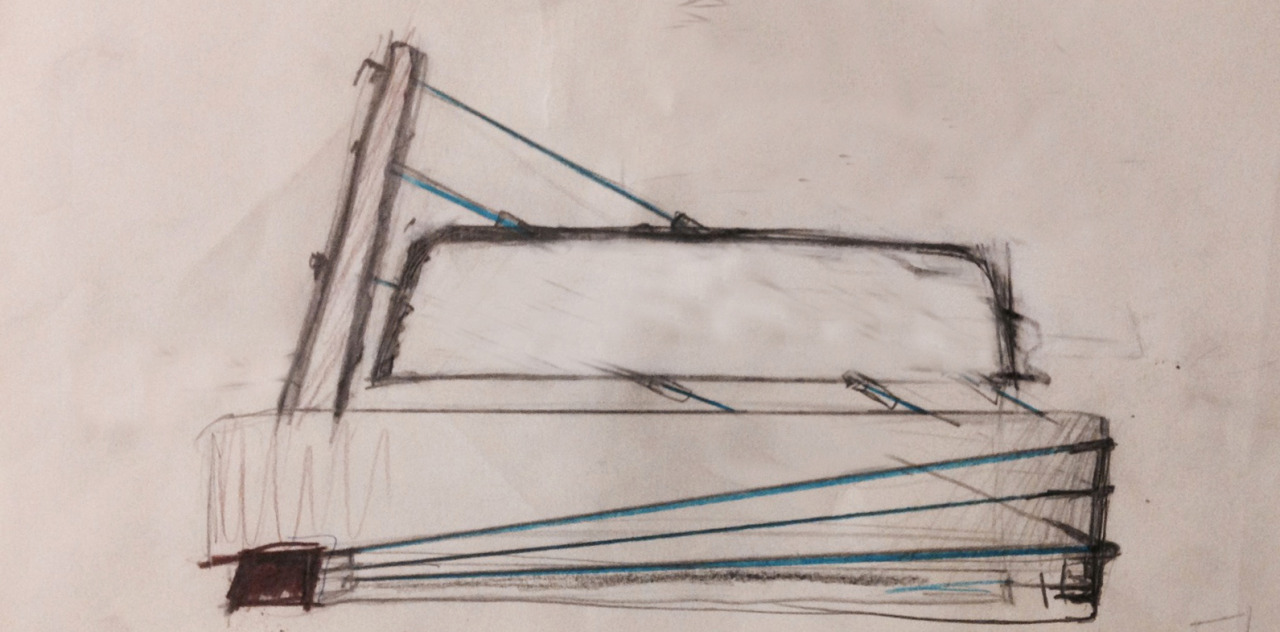
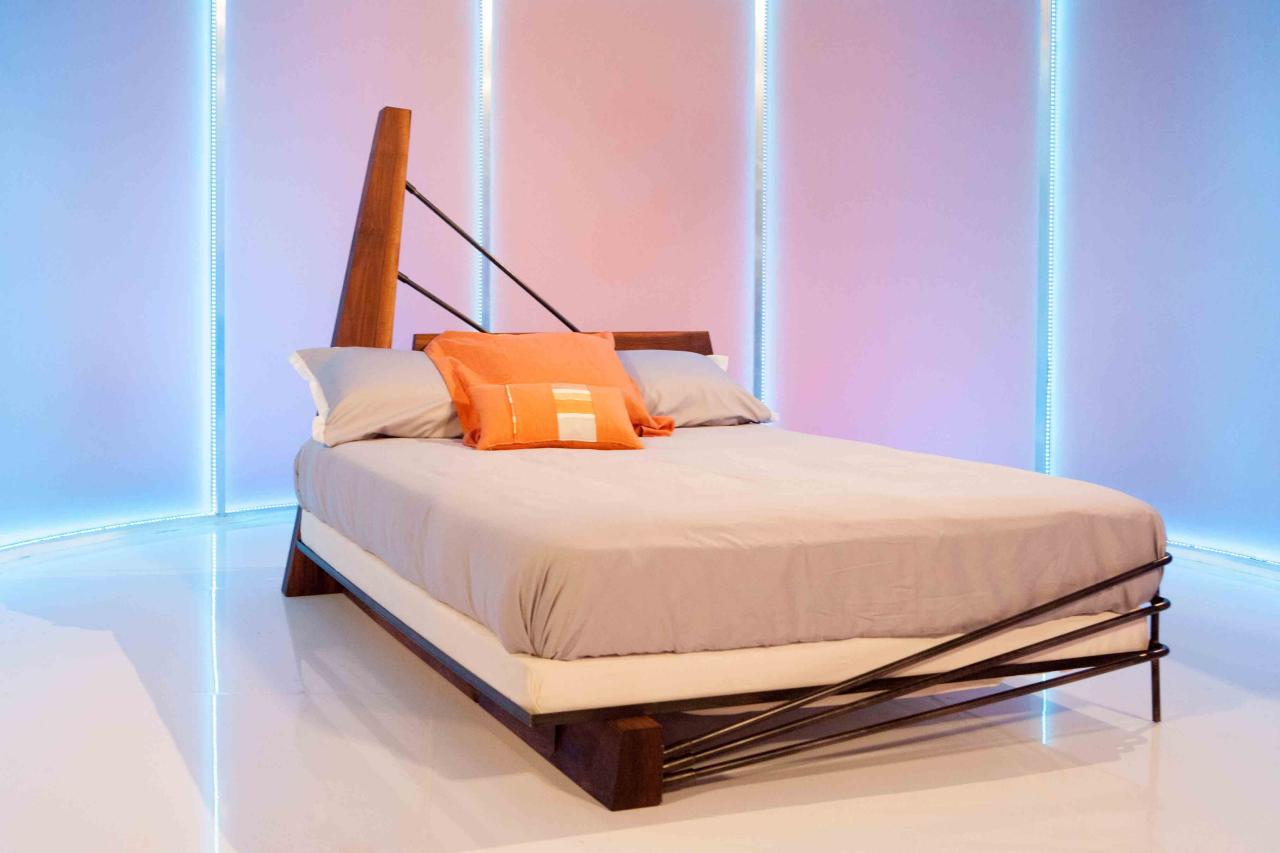
First Thought: What haven’t I seen before? Answer: an A-symmetrical Bed
Second Thought: What do I want it to feel like…? It is at that moment I remembered a Curtiss Wind Tunnel Model I had seen in the hall at the upstairs offices of the National Air and Space Museum during my Fellowship there last year… So although this bed has the look of a bridge, it with its floating headboard, it is inspired by a bi-plane design.
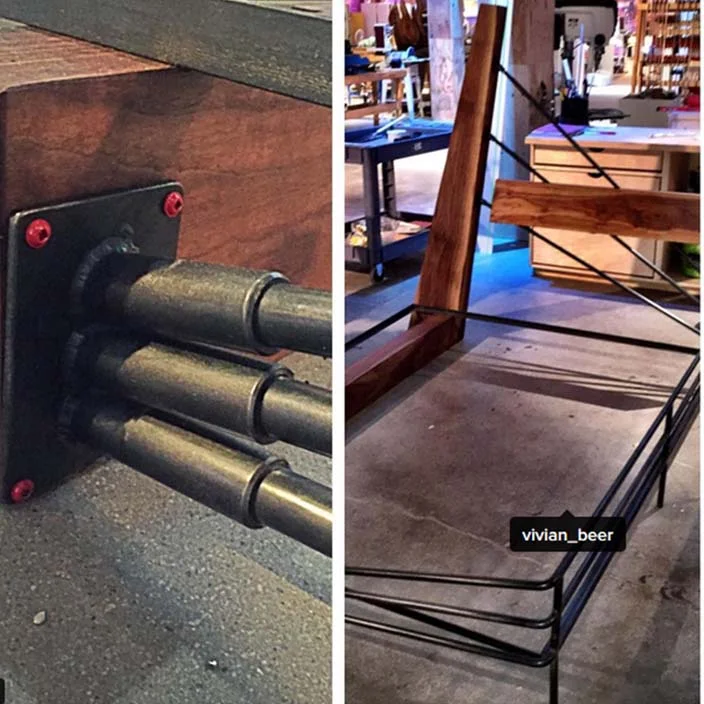
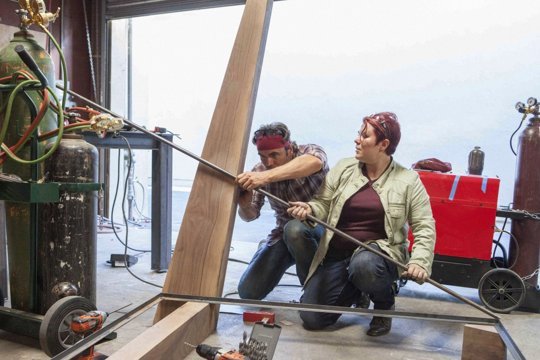
Functionally, I wanted two people to be able to sit up easily in bed. So I went about designing a tension structure between steel and three rather beautiful slabs of walnut. The headboard is floating in the tension rods, three differing angles holding it in place, and the whole thing is leaning back 7 degrees to create a comfortable sitting angle.
I made a welded mending plate in between the rod and walnut that was directly inspired by the memory of this model, which was made before WW2, hoping to give it a feeling of history and warmth.
These wind tunnel models are the ultimate remnants of our pursuit of speed and efficiency in flight. They have an extraordinary history of material and craftsmanship and live as beautiful objects in their own right.
…Beautiful but highly functional. No surprise it came to mind for my bed!
more about SARF at:
http://www.smithsonianofi.com/fellowship-opportunities/smithsonian-artisit-research-fellowship-sarf/