


If your like me you can get enough of this Pearl Harbor survivor. The hull is stepped so that it can break suction with the surface of the water during takeoff. I think the hard chinned lines against the subtle “hulls” curve is dynamic. Another idea for form…

Speaking of engines… Storage for important, many of them experimental, engines for aircraft. My nephew tells me I need to make a chair out of all the engine parts… Thinking on the forms of the cast parts fro just that!


Tools in the Udvar Hazy restoration shop. Some specialty… I need to spend more time with rivets!
Playing with ideas of speed, sculptural drapery and SR-71 Blackbird- still the fastest plane ever made. All the work here in DC will be in a virtual studio!
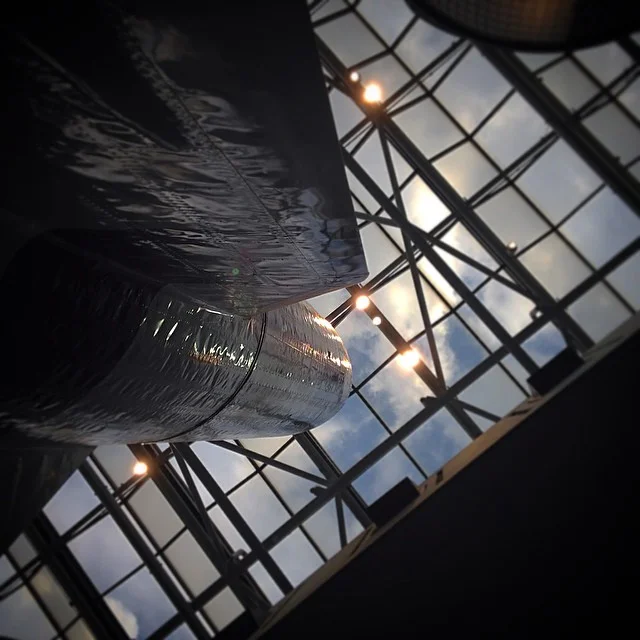

Thinking about how #flight, and out identity within it, in this 1916 Paul Manship… #art #sculpture (at National Gallery of Art)
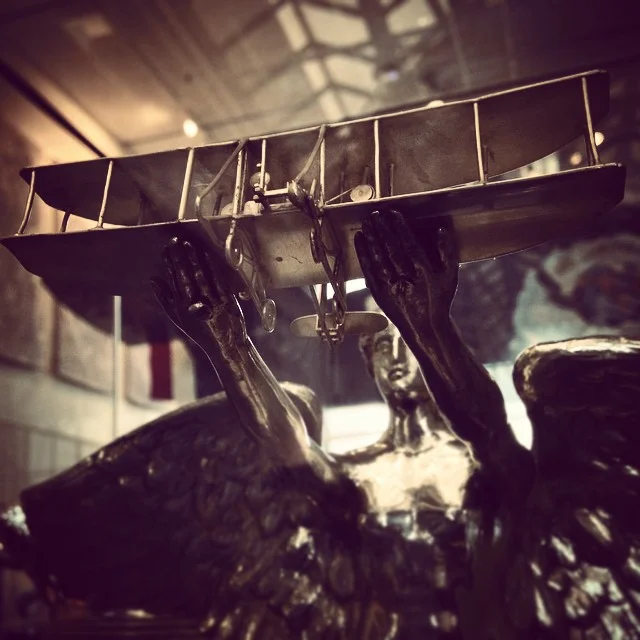
MACKAY trophy elevating early flight #airplane #art (at National Air and Space Museum, Smithsonian Institution)
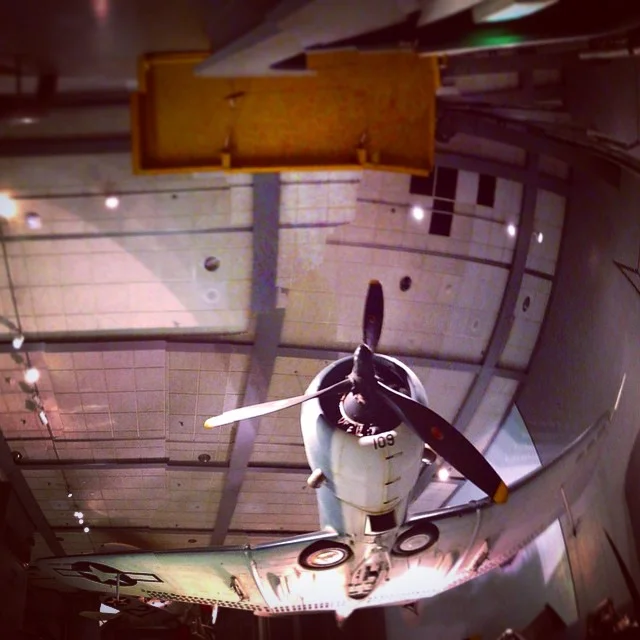
Douglass dauntless flowing lines above #airplane #design #art (at National Air and Space Museum, Smithsonian Institution)

Fantastic detail on the early wood wind tunnel #model for the Curtiss NC #airplane #art #design


Up close and personal with the conservation of the Horten IX V3 flying wing at NASM’s Udvar Hazy center. These German brother’s extraordinary experimental aircraft have inspiring forms - sleek and anthropomorphic.
NASM’s conservation staff is doing all they can to preserve this one of a kind aircraft. See more about the project at http://www.hortenconservation.com/

Today, a tour of the #restoration hanger… So fantastic to see this important work up close! #airplane #design #art (at Udvar-Hazy)

But these are the flying wing that really caught my attention. Designed by the Horten brothers for Germany in WW II they were based on the brother’s experience as glider pilots. I think they are beautiful forms, slick and bat or moth like… Its amazing to think how much more damage they could have done if these were designed earlier in the war.
Takeoff!
This long range bomber started being designed in WW II by Jack Northrop. A design I never imagined out of that time period. In the end the project was killed and all of these versions scraped, not because they weren’t aerodynamic, but hard to control. It was in many ways so much like today’s B-2 Stealth bomber, pictured here refueling, that it lead me to ask what technology had made the difference for this Airplane to be in service. When I asked John Anderson, the aerodynamics curator here at the NASM he said one word… computers.
Having the ability to asses and control the wing in many micro adjustments was a requirement for this design, and one they did not have when Northrop was working his original designs.


Spending some time with Jack Northrop’s FlyingWings. It’s to bad all of these were scraped… Would love to see one in person! (from A History of Jack Northrop’s Visionary Aircraft) #airplane #art #metal

A paper airplane by intrepid visitor laying in a large rocket. Not good museum practice but an excellent indicator of scale! #airplane #rocket #design


Blackbird #airplane #design (at National Air and Space Museum, Steven F. Udvar-Hazy Center, Smithsonian)

And then of course there are all of these guys… #space #satellites (at National Air and Space Museum, Steven F. Udvar-Hazy Center, Smithsonian)

Same designer as the blackbird… Talk about a carrier arch! #airplane #design (at National Air and Space Museum, Steven F. Udvar-Hazy Center, Smithsonian)